Field-proven NHR IoT deployments across smart cities, agriculture, logistics, energy, and industrial infrastructure.
A full district round can still miss what needs work. Parking, bin and drainage status on one platform lets teams check data first and plan rounds.
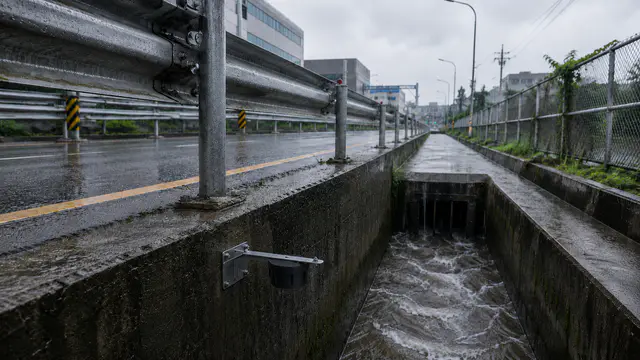
With several flood hotspots, pumps often go to whoever calls first. LoRaWAN level monitoring gathers key channel readings so pumping and checks follow actual levels.
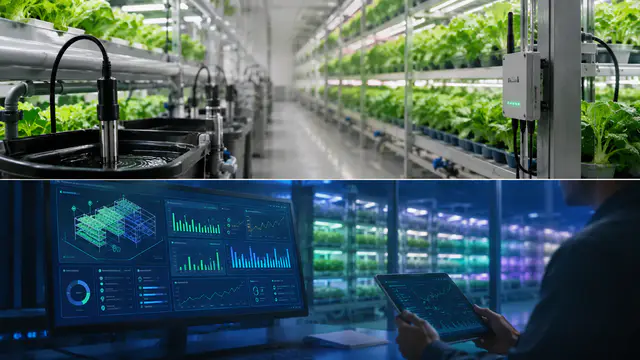
The tighter the stacked farm, the less room for nutrient drift. Wireless monitoring gathers nutrient concentration, pH, dissolved oxygen and level so growers adjust early with fewer rack walks.
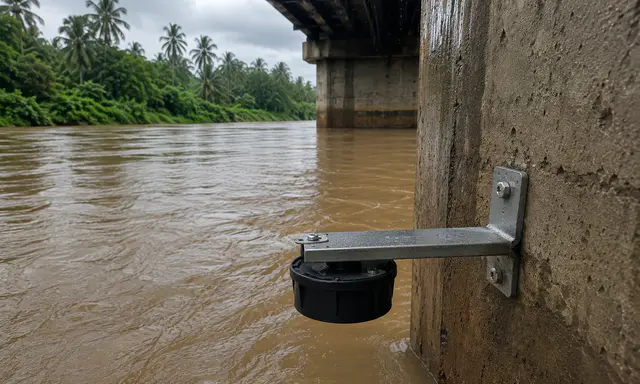
Remote river stretches relied on relayed patrol reports, and delays cost response time. NB-IoT radar gauges notify teams near thresholds so patrols focus where it counts.
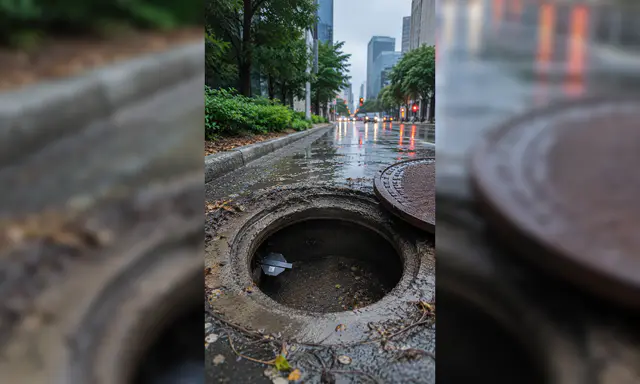
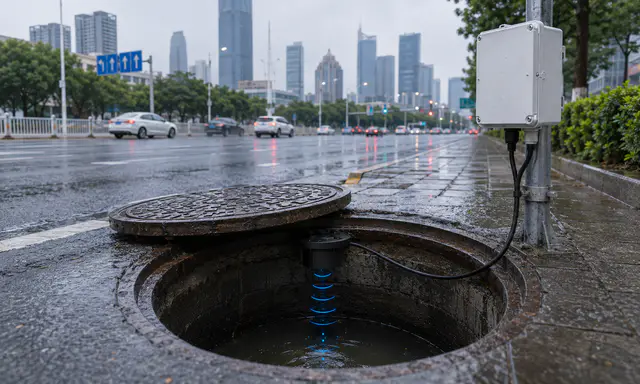
When monsoon rain meets tidal backflow, drainage is squeezed from both sides and patrols can fall behind. H01-LW reports manhole level and cover status so crews and pumps can be readied earlier.
Water can rise inside a manhole before the street floods. H01-NW reports in-manhole levels over NB-IoT so drainage teams can start assessing sooner.
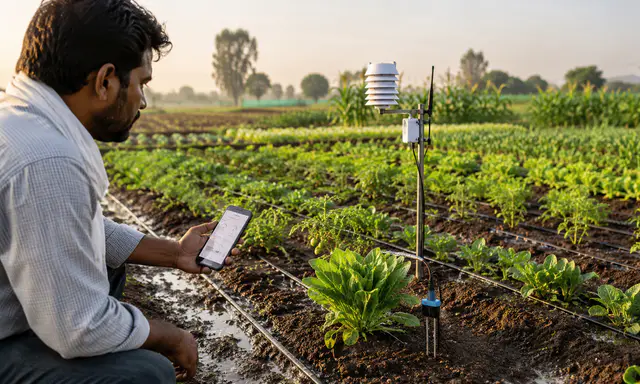
Scattered plots each have their own conditions, and checking them one by one is slow. S09 gathers soil and environmental readings so irrigation and field checks use current data.
Around storms, tracking tree lean one by one is hard. M20 tilt sensors report angle changes so road agencies can spot shifting trees and check them first.
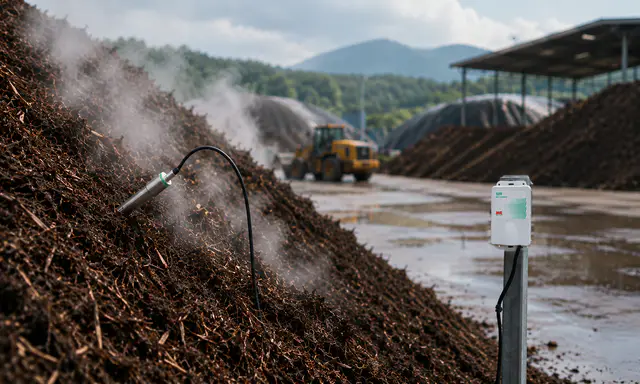
Heat deep in a compost pile can't be seen, and spot checks miss most depths. S09 with external probes logs temperatures at several depths to guide turning and process changes.
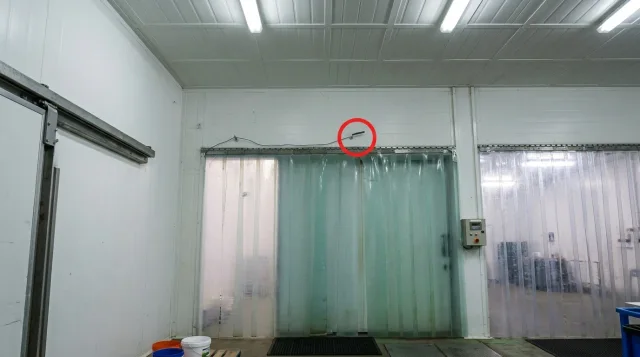
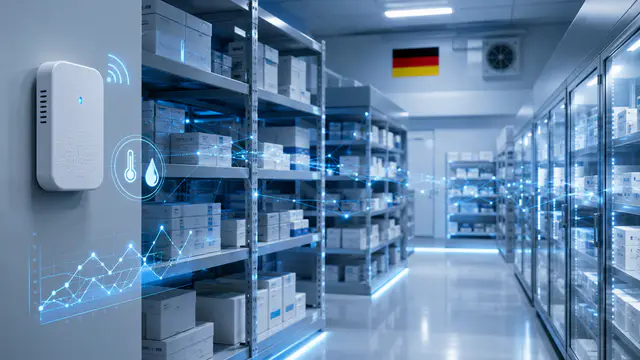
Relying on the unit's own display leaves no second check. S09 keeps its probe inside and transmitter outside, building a temperature record independent of the panel.
Readings from multiple controlled rooms were scattered, so records had to be organized room by room. S09 wireless sensing centralizes available readings for comparison in one place.