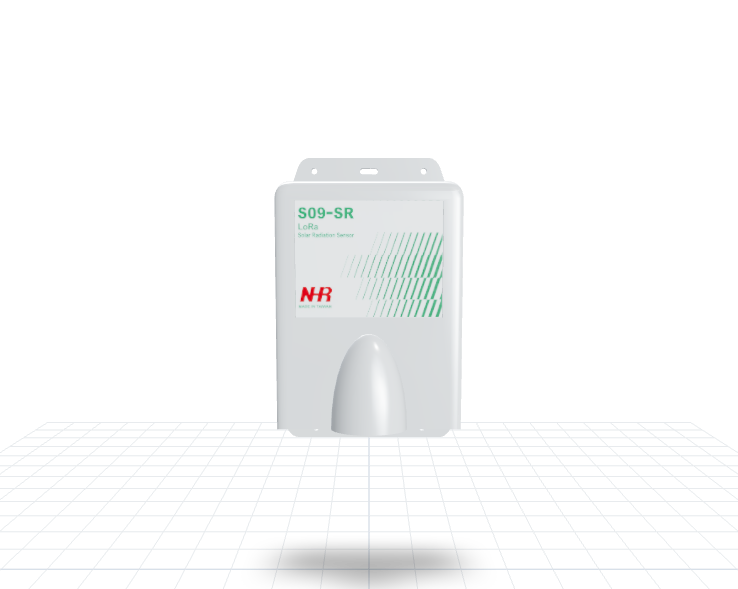
Real-Time Walk-In Cold Room Monitoring: Non-Intrusive Temperature Verification in Malaysia
Relying on the unit's own display leaves no second check. S09 keeps its probe inside and transmitter outside, building a temperature record independent of the panel.
Project Profile
- Region: Malaysia
- Category: Logistics
- Products: S09
S09 transmits sensor data; the measurement parameters described here are provided by the connected external sensors.
Operational Value
- Drill-Free — Independent verification without touching insulation (Non-invasive install)
- Independent measurement — Separate sensor records can be compared with built-in refrigeration displays; this is not third-party certification.
- Operational objective — Fewer manual cold-room checks (not a measured project outcome)
Case Snapshot
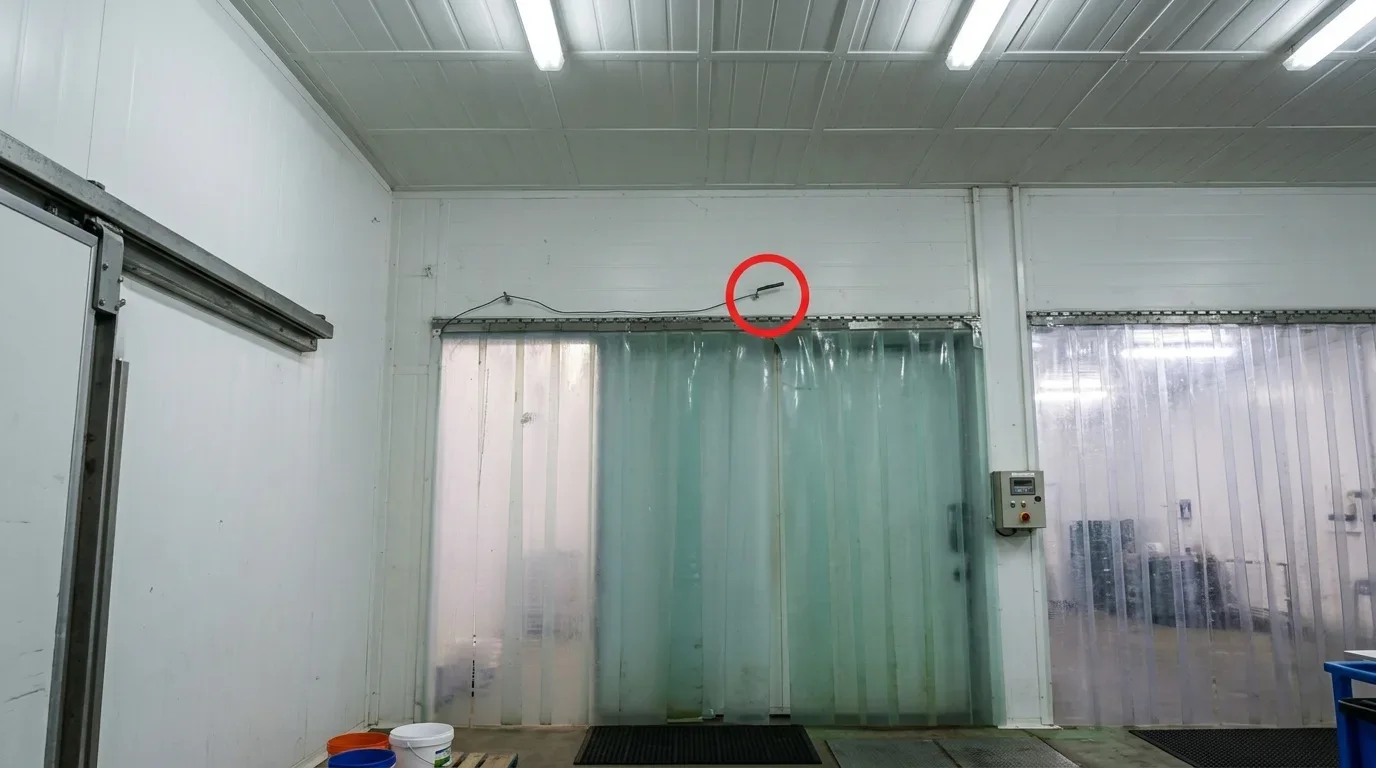
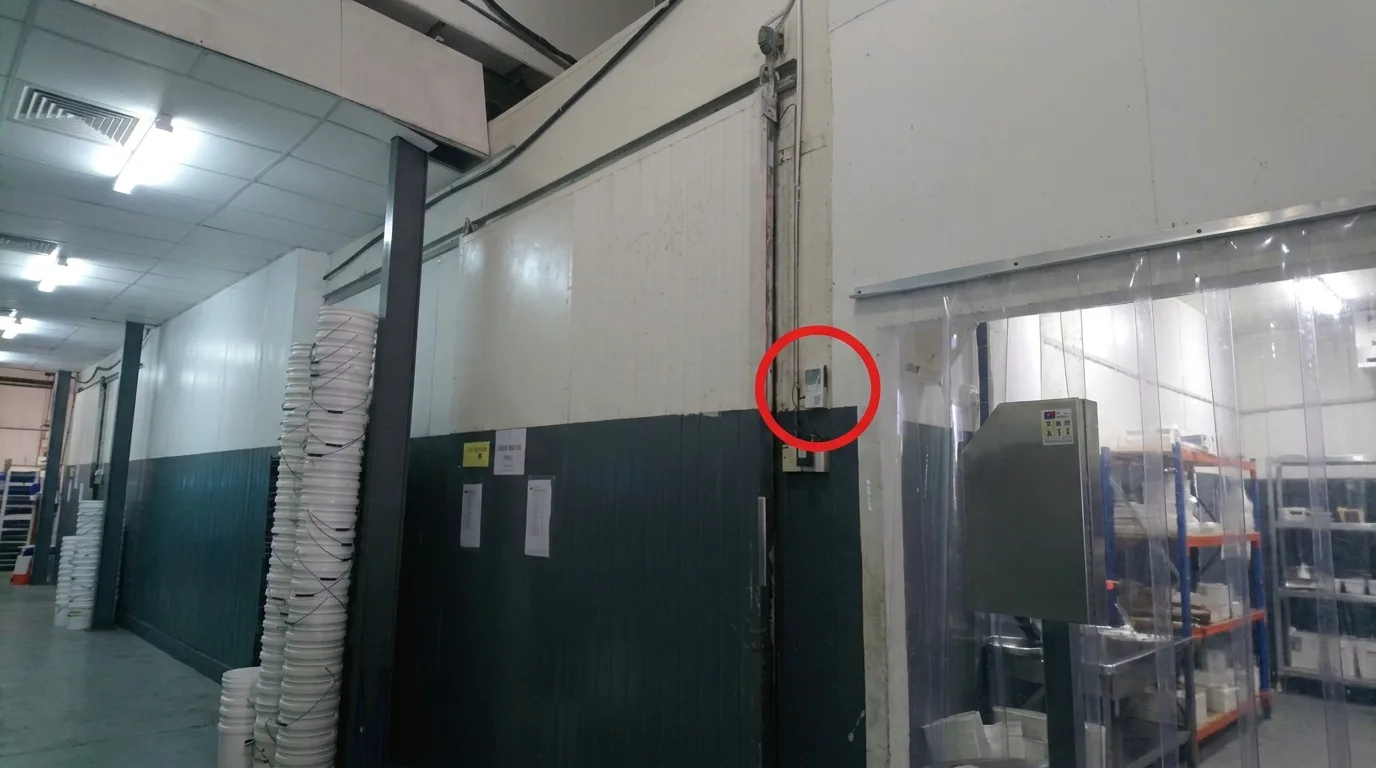
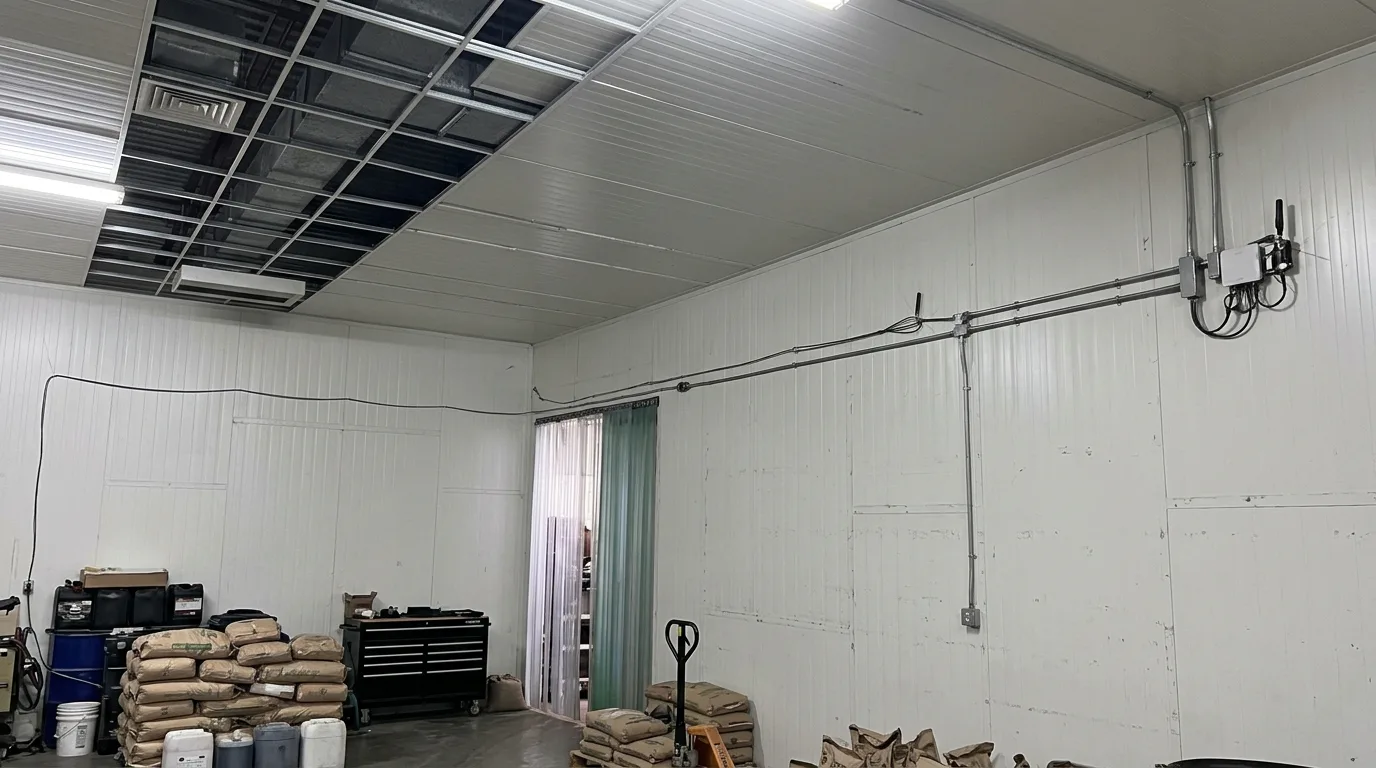
Insulated panels and wall structures ruled out drilling or major retrofits — the first constraint this Malaysian cold-chain facility faced when adding monitoring. Until then, operators had only the refrigeration unit's built-in display to judge internal temperature, with no independent way to check it. With sensors connected to S09 now installed, the probe sits inside the cold room and the transmitter stays outside, giving internal conditions a second, independent layer of verification.
Problem
A built-in display is not a second line of defense
Cold-room management needs temperature trends, not just the current panel reading. Without traceable records, teams may struggle to reconstruct when a deviation occurred and how long it lasted. Additional sensing points provide another environmental record, but room-air temperature or visual inspection alone should not determine whether goods can ship. Product disposition still requires the applicable storage requirements and quality-management procedures.
Probe mounting and cable routing must respect site restrictions without compromising door seals or existing equipment operation.
Solution
The probe goes inside, the transmitter stays out
This case separates the probe and transmitter, placing the sensing point inside and the transmitter outside to report data.
When temperature crosses a preset threshold, the system notifies operators to check conditions and respond. Staff can compare the refrigeration equipment's built-in records with separate sensor records to investigate deviations and trace conditions.
Value
Structure stays intact, verification gets more independent
Alongside the refrigeration unit's display, operators gain an additional record they can view remotely and revisit during an investigation.
The next audit doesn't have to take the unit's word for it alone — there's an independent record to check against.
Next Step
Share the cold-room layout, wall restrictions, and equipment locations to assess probe and transmitter placement without compromising insulated construction.
Explore Solutions / Talk to an Expert
Image Gallery
Notes
- Available routes, cable protection and sealing should be agreed with the site equipment team before installation; a split design does not mean every cold room can be fitted without drilling.
- Placement should represent the tracked area, with measurement range, calibration and signal performance checked; an external transmitter does not guarantee coverage at every location.
- Differences between instruments require comparison of location, timing and calibration before either reading is judged inaccurate.
- Separate sensor records are not third-party certification; audit suitability depends on calibration, record completeness and applicable requirements.
- Faster response is an operational objective; this case provides no before-and-after statistics showing a measured reduction.
- Every site is different; deployment plans and outcomes should be assessed by qualified professionals against actual site conditions.