When Rain Meets the Tide: Manhole Level Early Warning in Brunei
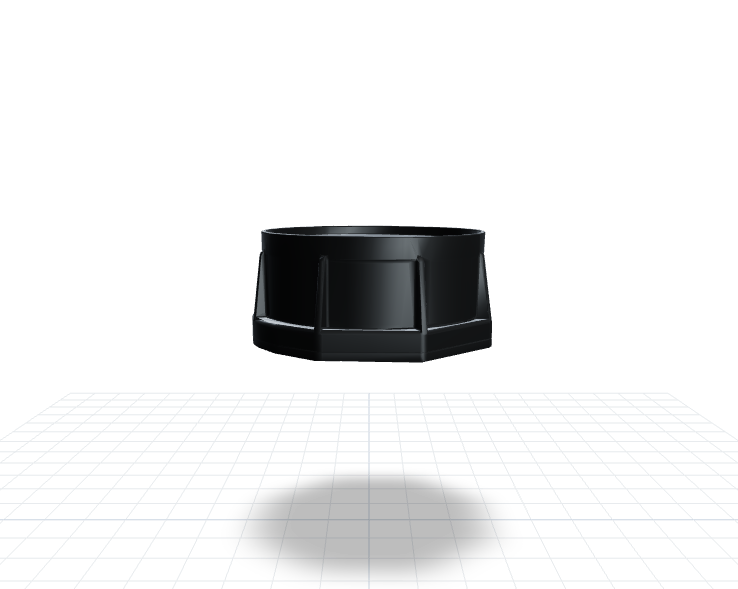
When monsoon rain meets tidal backflow, drainage is squeezed from both sides and patrols can fall behind. H01-LW reports manhole level and cover status so crews and pumps can be readied earlier.
Project Profile
- Region: Brunei
- Category: Environment
- Products: H01-LW
Operational Value
- Operational objective — Faster flood-risk response (not a measured project outcome)
- Dual Monitoring — Water level and cover safety (Synchronized visibility)
- Tidal Periods — Earlier visibility into backflow risk (Monsoon conditions)
Case Snapshot
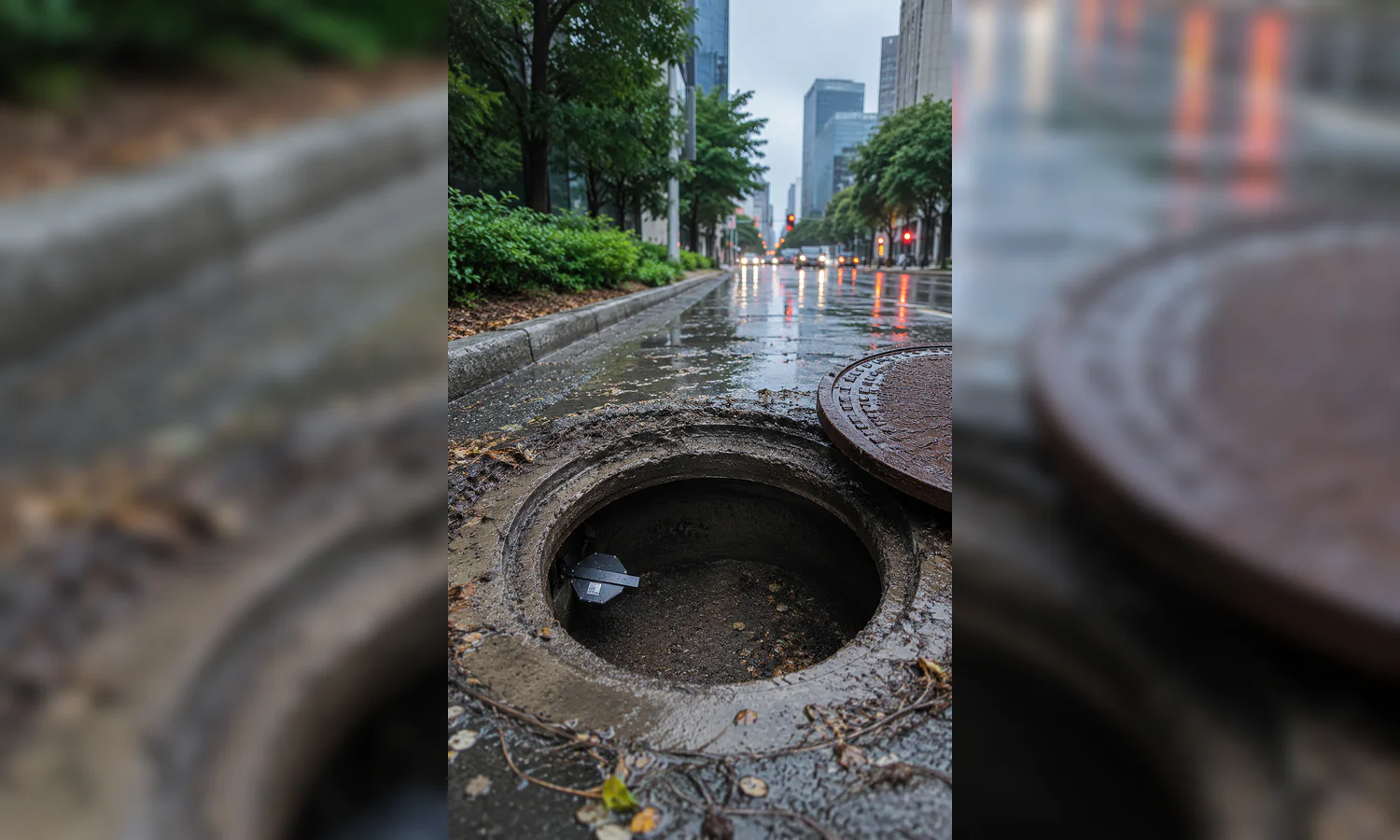
Brunei's tropical drainage system has to answer to the sea as well as the sky. When heavy rain, monsoon weather, and tidal backflow stack up, water inside a manhole often rises before anything is visible on the surface, and a schedule built around rain patrols alone can miss it. H01-LW sensors installed inside drainage manholes now combine water-level sensing, tilt detection, and LoRaWAN reporting, so conditions stay visible regardless of the tide.
Problem
The tide squeezes the system from both sides
During heavy rain or a backflow event, water inside a manhole can rise quickly while the surface still looks manageable. When a drainage operation relies mainly on manual patrols, field staff have to approach roads, manholes, and flooded areas in poor weather to confirm conditions, a process that is both slow and puts people at risk.
Tidal backflow doesn't necessarily track the rain — the rain can stop and the patrol crew can head home, and water is still pushed back into the drainage system for as long as the tide stays high, with no one on site to see it happening. By the time a patrol or a resident's call catches it the next day, it's often hard to tell last night's rain from the overnight tide, and a cover anomaly may have gone unnoticed through an entire tidal cycle.
Solution
A wireless sentry with nothing to wire
H01-LW sensors installed inside a drainage manhole don't work around the tide's schedule: radar keeps measuring water level through both high and low tide, while the same unit's integrated tilt detection tracks whether the cover shows unexpected opening, displacement, or abnormal tilt.
Data reaches a remote platform over LoRaWAN, and the system supports real-time alerting and response coordination as water nears its threshold or a cover shows abnormal status. Compared with wired installations or high-frequency patrols, the low-power wireless design fits drainage nodes scattered across the city — monitoring keeps running without anyone having to schedule a check around the tide.
Value
Pumps stand ready before the tide arrives
However high the tide runs, managers no longer wait for water to reach the road — rising underground water and early backflow signs are already visible, so maintenance, pump-out, or emergency response can be arranged sooner.
With cover status monitored at the same time, public safety and drainage-asset protection no longer rest entirely on field patrols. High-risk manholes and flood-prone stretches go first, with the rest of the network added in stages — a sequence the data can now set.
Next Step
Where monsoon rain and tides interact, compare historical flood timing with tidal conditions to identify the manholes that most need continuous water-level and cover-status monitoring.
Notes
- Every site is different; deployment plans and outcomes should be assessed by qualified professionals against actual site conditions.
*Illustrative image
Explore Solutions / Talk to an Expert