Smart Environmental Monitoring for Organic Farming in India
Scattered plots each have their own conditions, and checking them one by one is slow. S09 gathers soil and environmental readings so irrigation and field checks use current data.
Project Profile
- Region: India
- Category: Agriculture
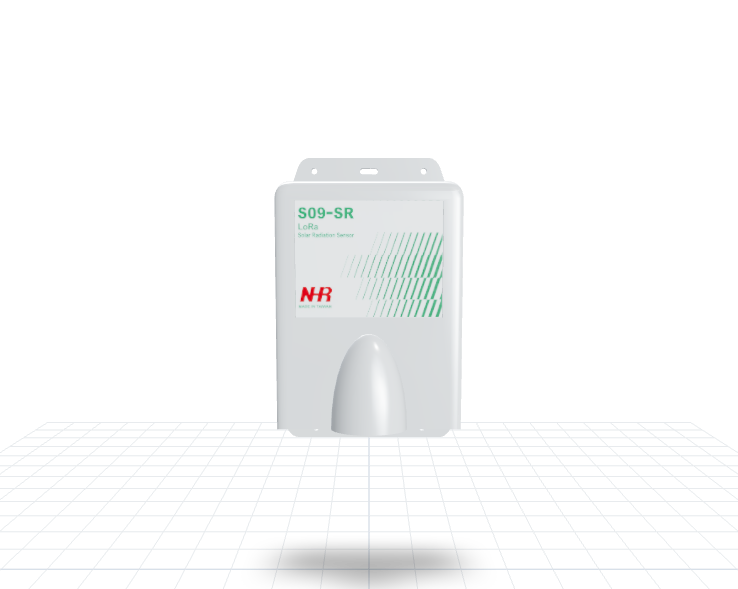
- Products: S09
S09 transmits sensor data; the measurement parameters described here are provided by the connected external sensors.
Operational Value
- 2-in-1 — Soil and ambient parameters on one platform (Integrated management)
- Operational objective — Lower over-irrigation risk (not a measured project outcome)
- Plot-Level — Centralized visibility across scattered plots (Cross-plot management)
Case Snapshot
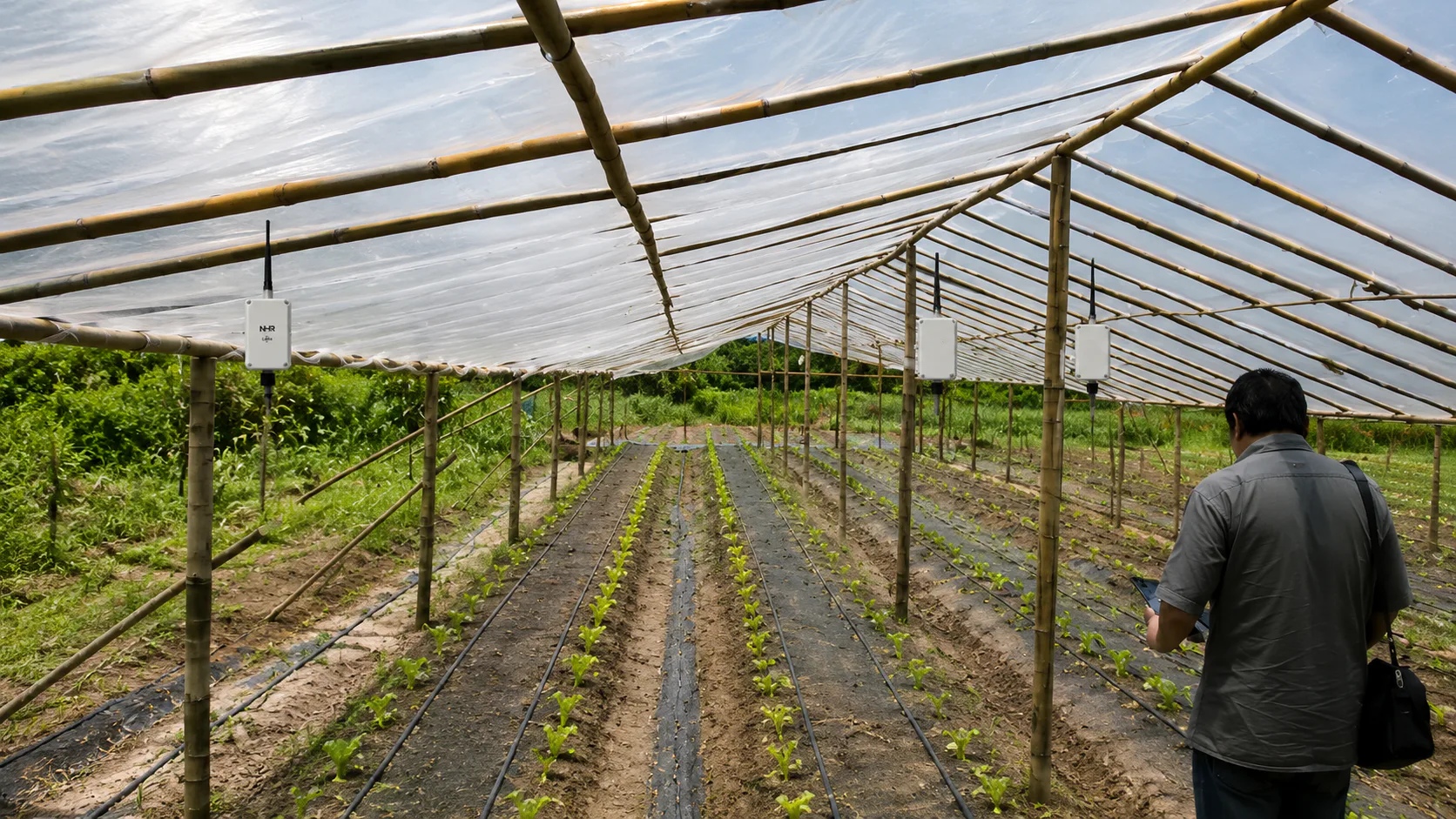
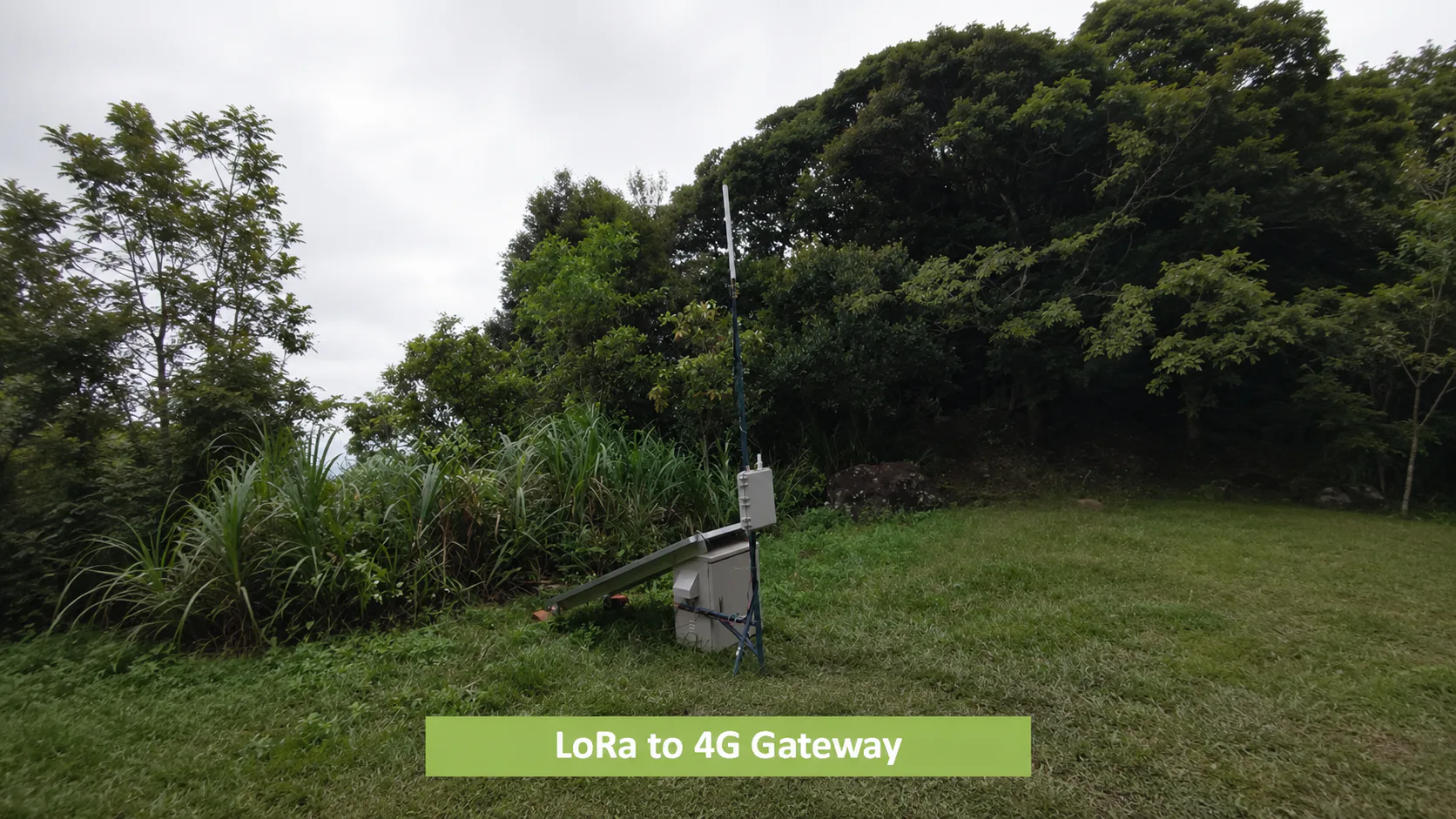
Organic cultivation plots are rarely gathered in one place, and an organic farm in India spans several separate blocks. Crop performance depended on soil moisture, soil temperature, and ambient conditions staying within a healthy range, but manual observation alone made changes hard to catch in time, so irrigation and cultivation adjustments often ran behind. Soil and environmental sensors connected to S09 now feed data through a private LoRa network, backhauled over 4G to a central platform covering every plot.
Problem
Every Scattered Plot Has Its Own Weather
Organic farms typically balance crop health, resource waste, and sustainable management practices against each other. When soil temperature, soil moisture, and ambient conditions are confirmed mainly through manual rounds, data quality depends on when the check happened, how far the plot sits, and who did the checking. That makes it hard to compare blocks on the same basis.
When an anomaly is noticed only after it has already occurred, the usual result is over-irrigation, added crop stress, and cultivation strategy that can't be corrected in time. For an organic farm spread across several blocks, distance only widens that lag.
Solution
Soil Data and Air Data Meet in One Feed
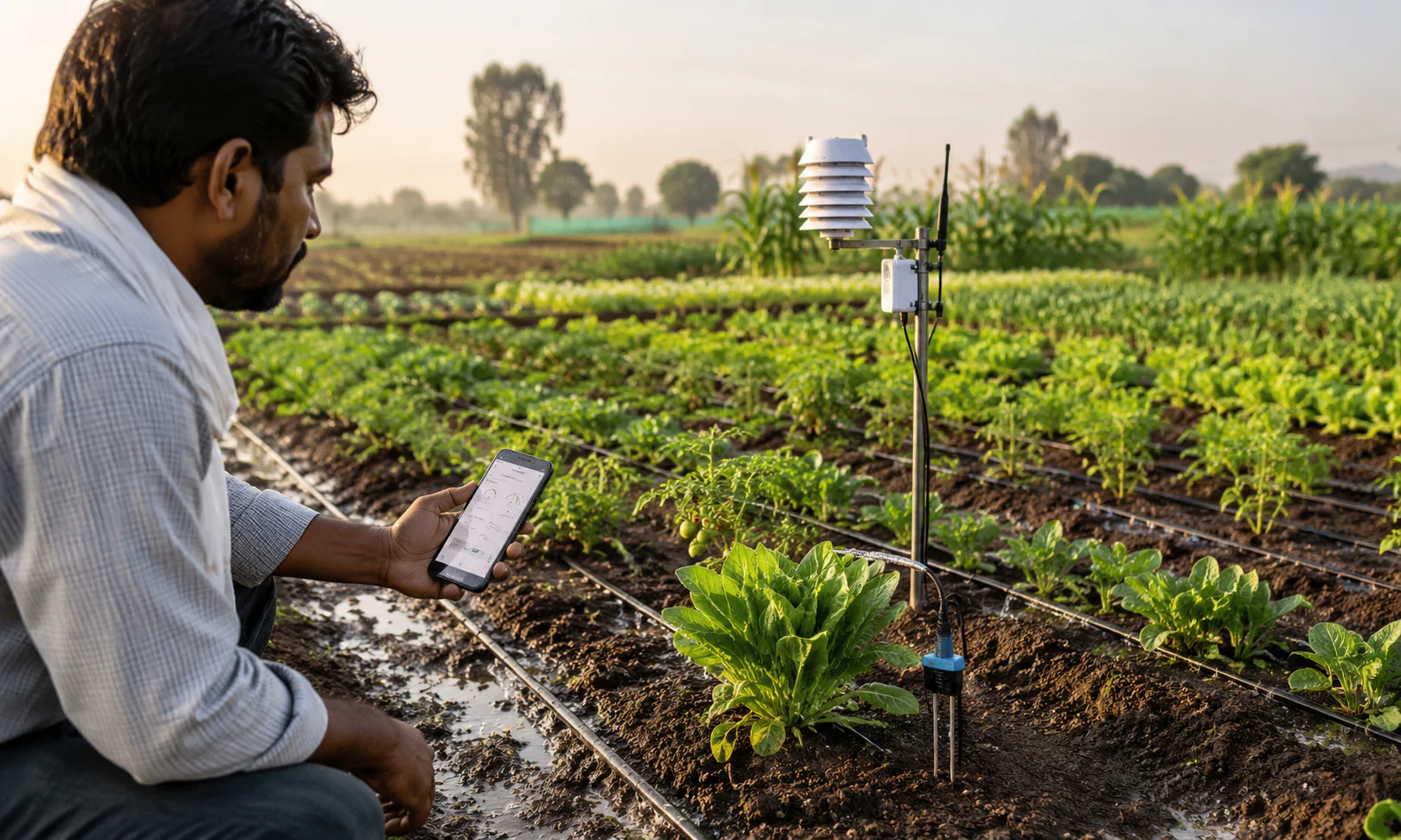
S09 transmitters connected to external soil sensors were deployed across the cultivation area to monitor soil moisture and soil temperature, paired with external environmental sensors connected to S09 tracking air temperature and humidity. Data from the scattered plots is first aggregated over a private LoRa network, then backhauled via 4G to a centralized platform.
Private LoRa aggregates sensor traffic across the plots, while 4G handles the backhaul. Under this project's network design and coverage conditions, one 4G SIM supported the farm's data backhaul instead of requiring a separate cellular line for each field sensor. Managers watch field conditions on one platform and can respond to deviations without walking each block simply to confirm what is happening.
Value
Irrigation Calls Now Come With Evidence
When soil and climate conditions shift, the farm now catches it earlier, instead of relying on manual judgment that always lagged a step behind.
For the operator, field data is something the team can act on directly, helping lower over-irrigation risk, improve resource-use efficiency, and keep cultivation decisions consistent across separate blocks. The next time an organic-certification audit asks about irrigation records, soil and climate data are already sitting on the same platform, instead of being pieced back together from weather records after the fact.
Next Step
Share plot distribution, communications coverage, and the current backhaul method to assess whether private LoRa with 4G is appropriate before finalizing gateway and SIM design.
Explore Solutions / Talk to an Expert
Image Gallery
Notes
- Every site is different; deployment plans and outcomes should be assessed by qualified professionals against actual site conditions.
*Lead image and some supporting images are illustrative