Fewer Rounds, Faster Calls: Asset Status Monitoring in a UAE 5G Smart District
A full district round can still miss what needs work. Parking, bin and drainage status on one platform lets teams check data first and plan rounds.

Project Profile
- Region: UAE
- Category: City
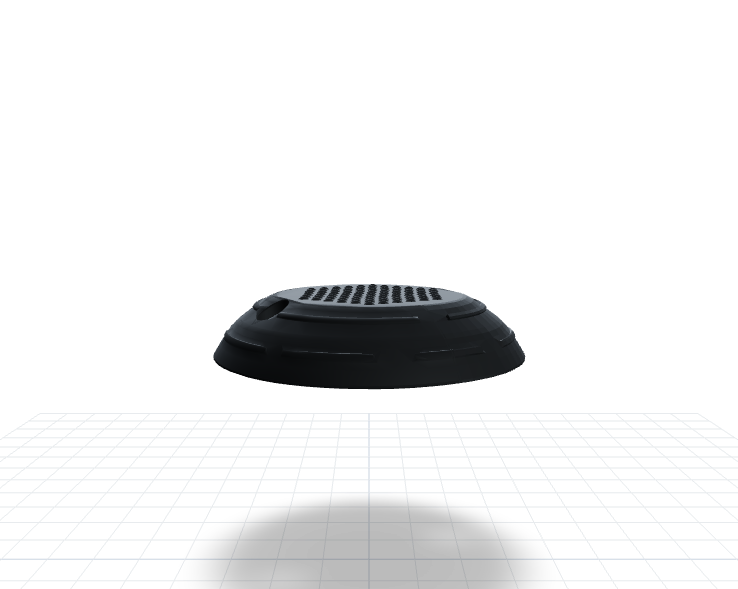
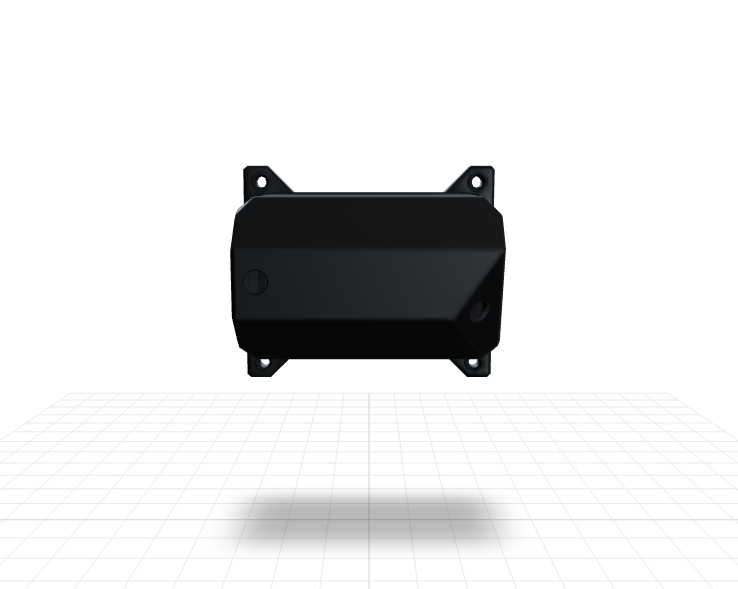
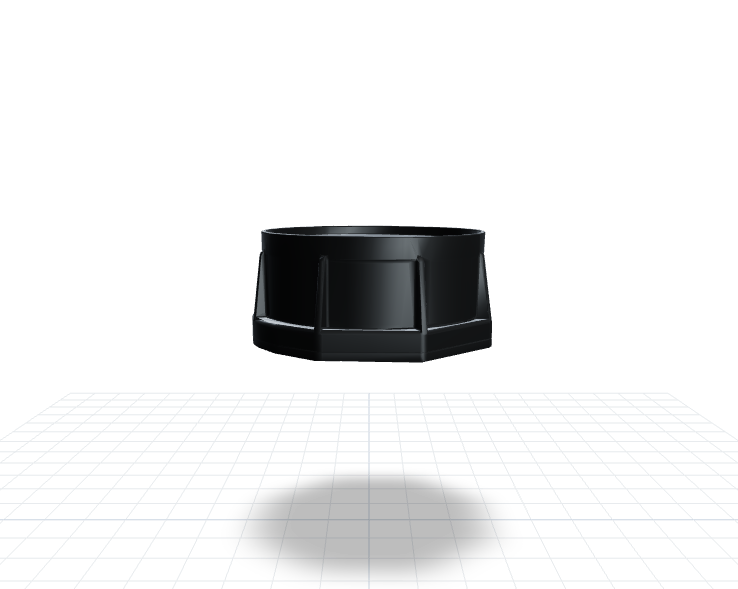
- Products: P01+B01+H01
Operational Value
- 3-in-1 — Unified monitoring of parking, bins, and water-level assets (Single platform)
- Operational objective — Reduced routine patrol workload (not a measured project outcome)
- Around-the-Clock — Cross-asset anomaly alerts (Continuous monitoring)
Case Snapshot
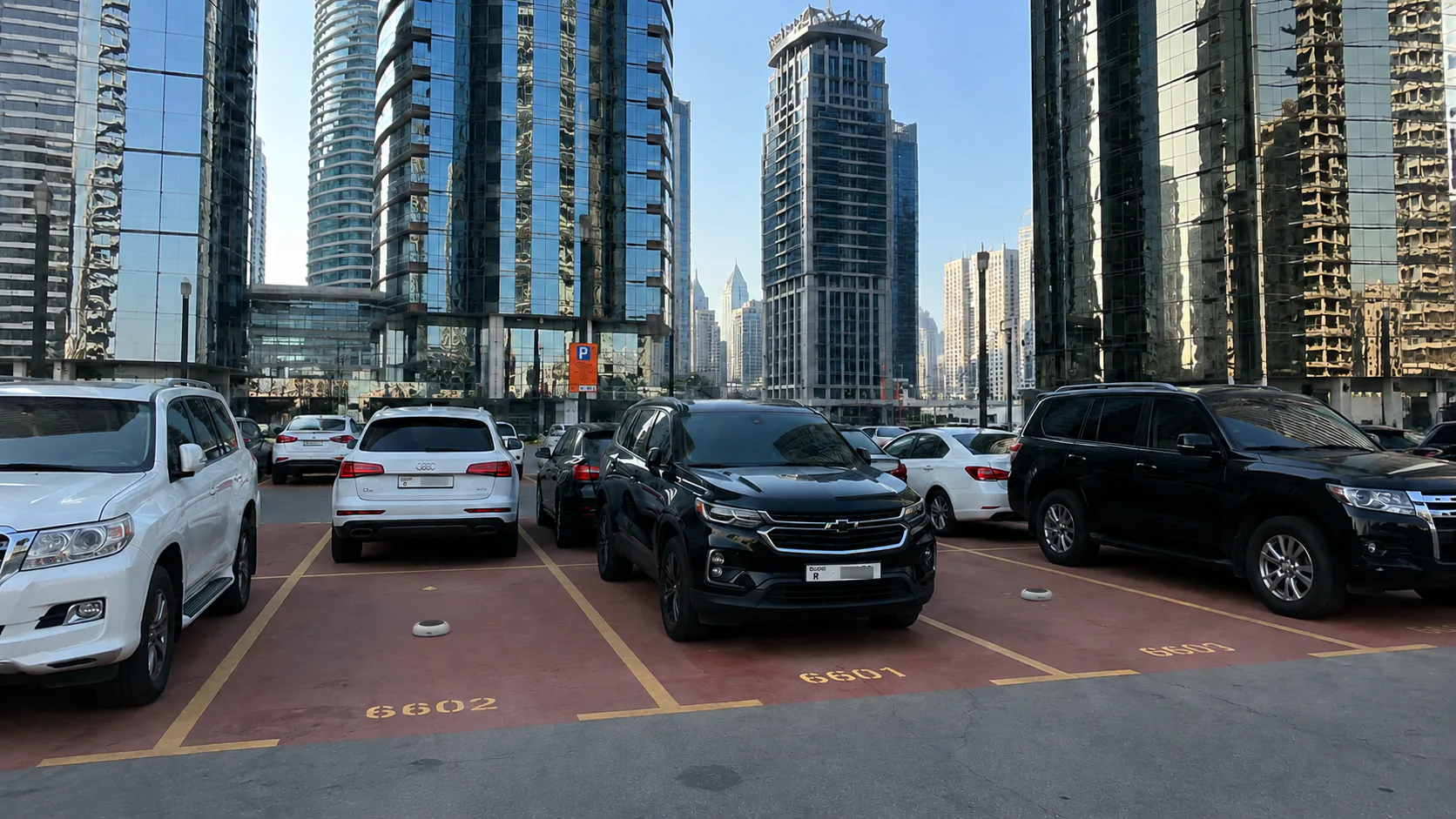
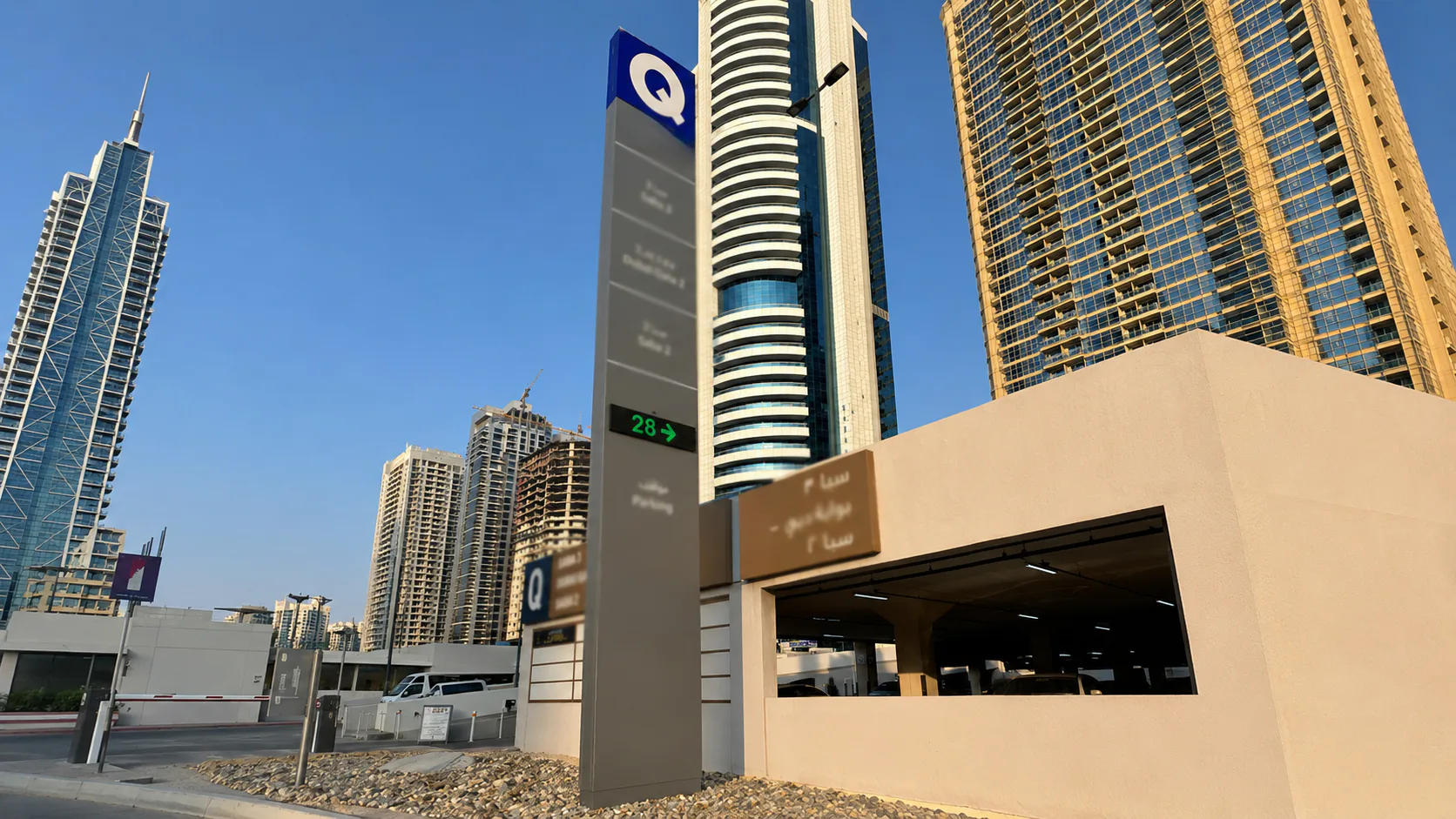
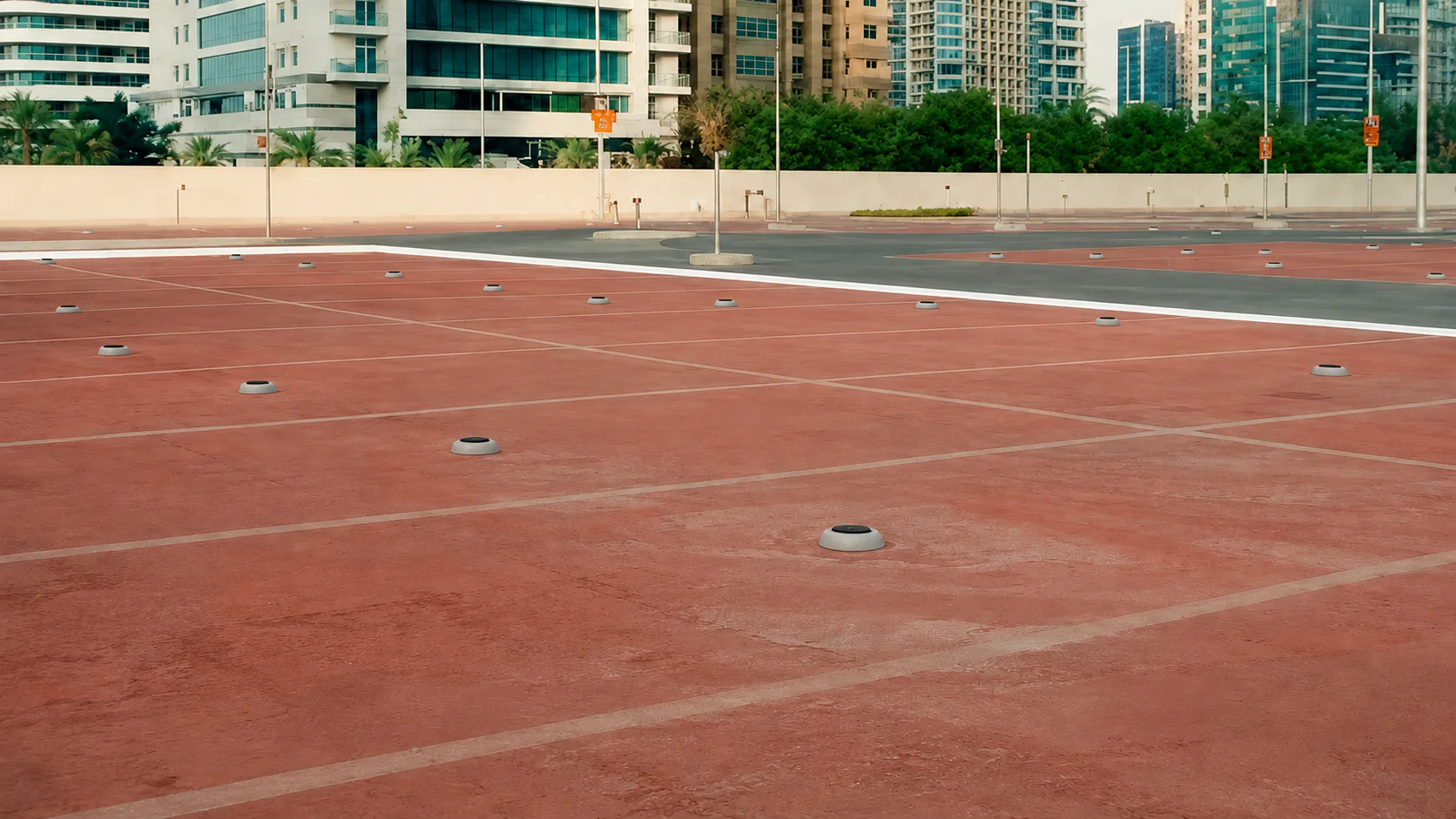
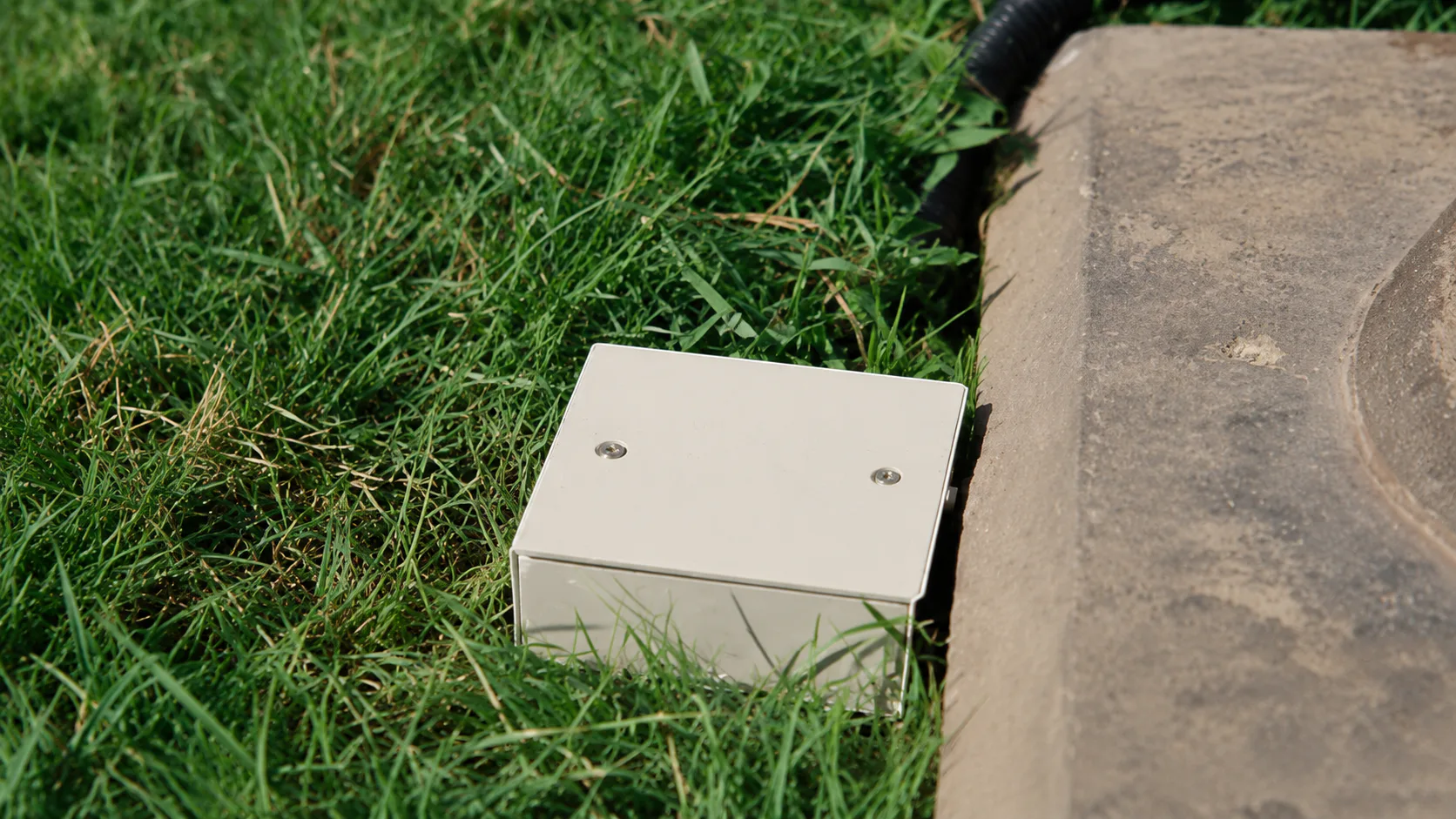
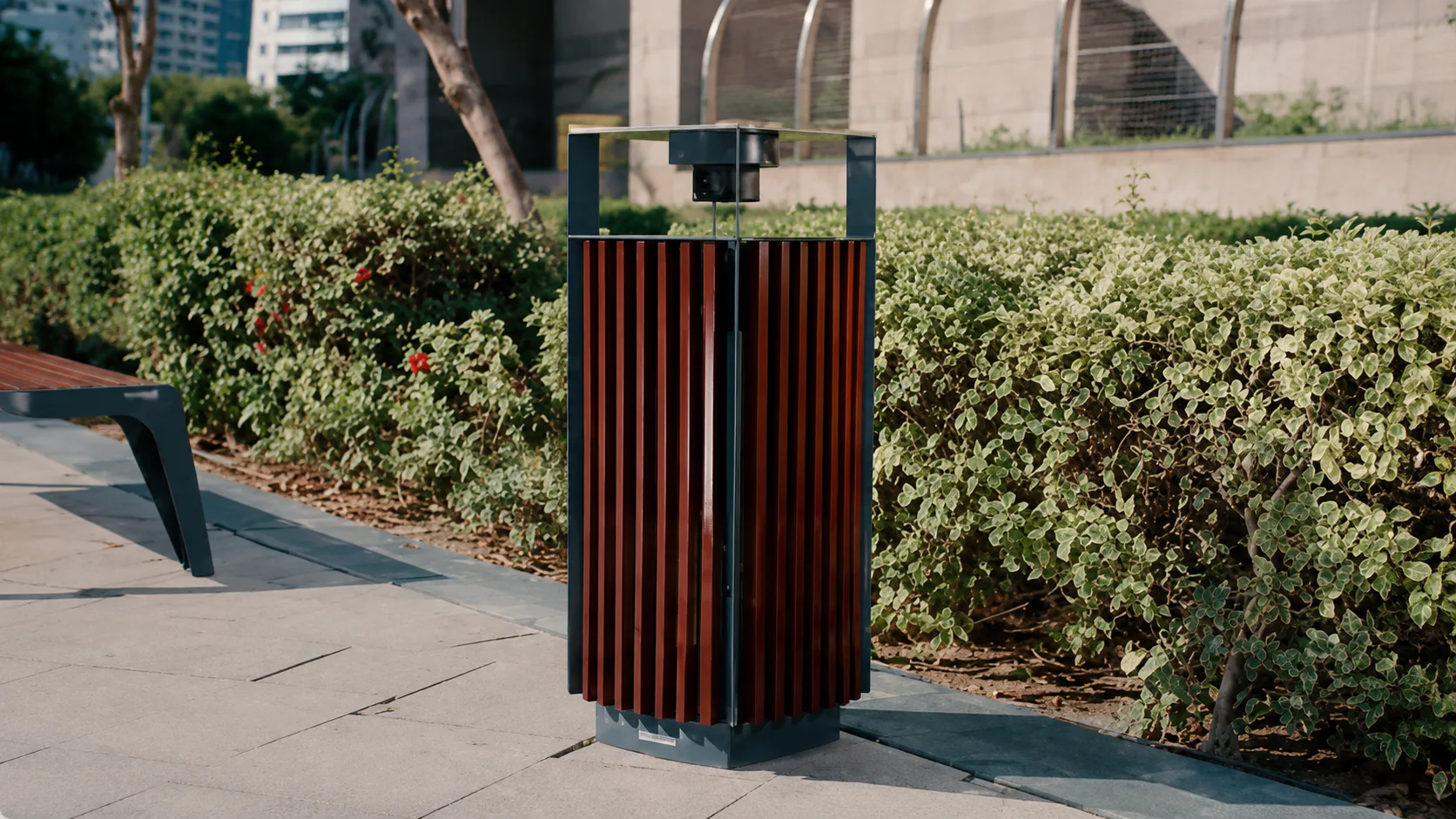
A high-density UAE district branded as a "5G smart district" still sent one field team to walk parking, waste, and drainage routes zone by zone — the network was advanced, but patrols hadn't caught up. P01 parking sensors, B01 bin sensors, and H01 water-level sensors now feed a single operating platform over NB-IoT, so managers see where attention is actually needed from one screen instead of confirming each zone in person.
Problem
A full route walked, real risk still missed
As the district expanded, fixed inspection routes grew slow and inflexible. Teams could spend a shift confirming assets that needed no attention while a full bin, pooling water, or an abnormal reading waited for the next scheduled round to surface. Each additional asset type meant another route to walk and another chance for something urgent to sit unnoticed between rounds.
For the operator, the real challenge was earlier knowledge of where to act, no matter how many patrols ran. Time spent confirming assets that needed no attention was maintenance budget spread across locations that didn't need it, rather than concentrated where it actually mattered. When exception order followed report order instead of risk level, a full bin or pooling water that reached a main corridor left the office explaining to leadership why that case took longer to reach, with no data on hand to back the call — and no clear account of how much maintenance spend had gone to the wrong places in the meantime.
Solution
Three asset types, one shared view
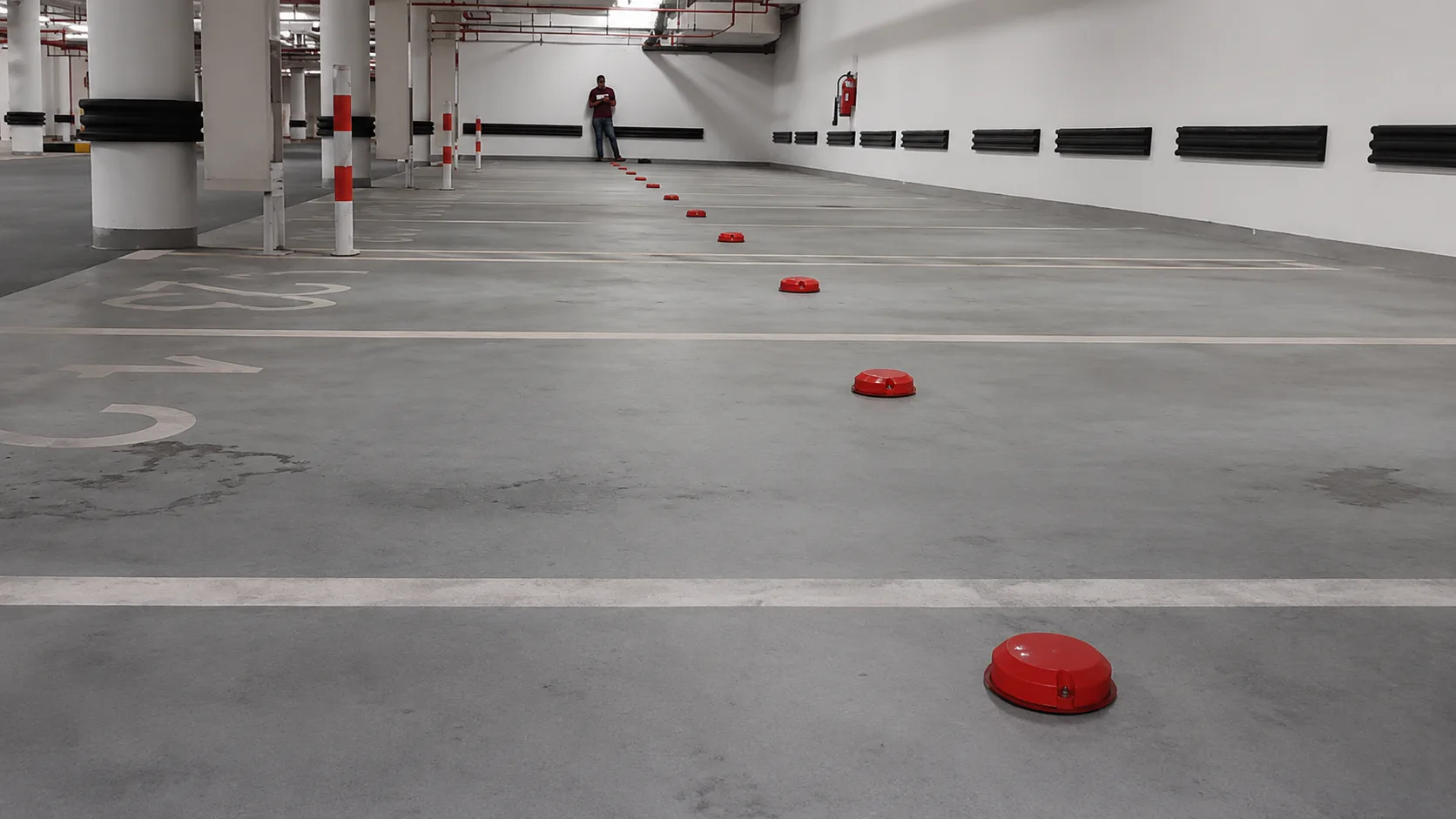
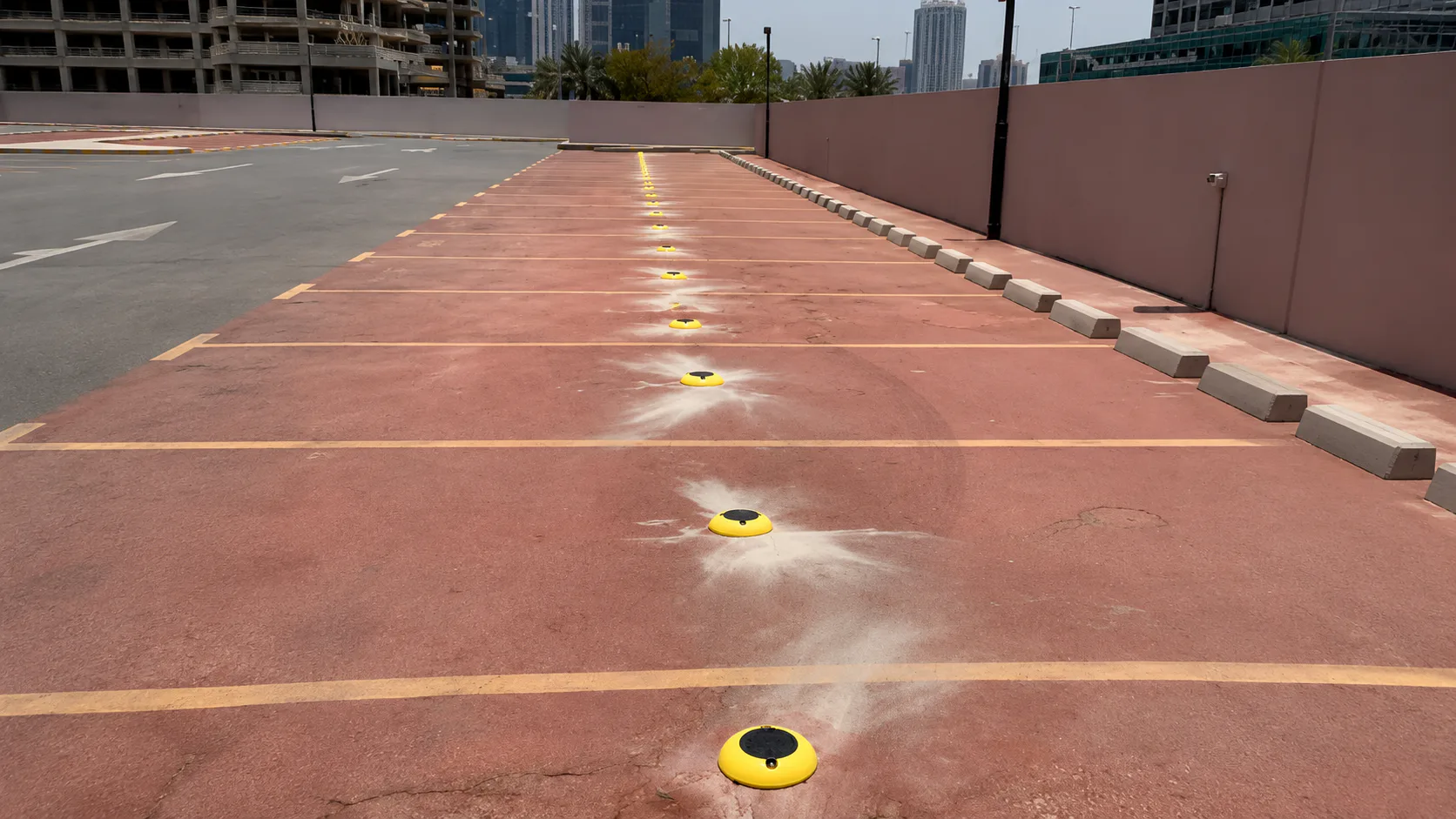
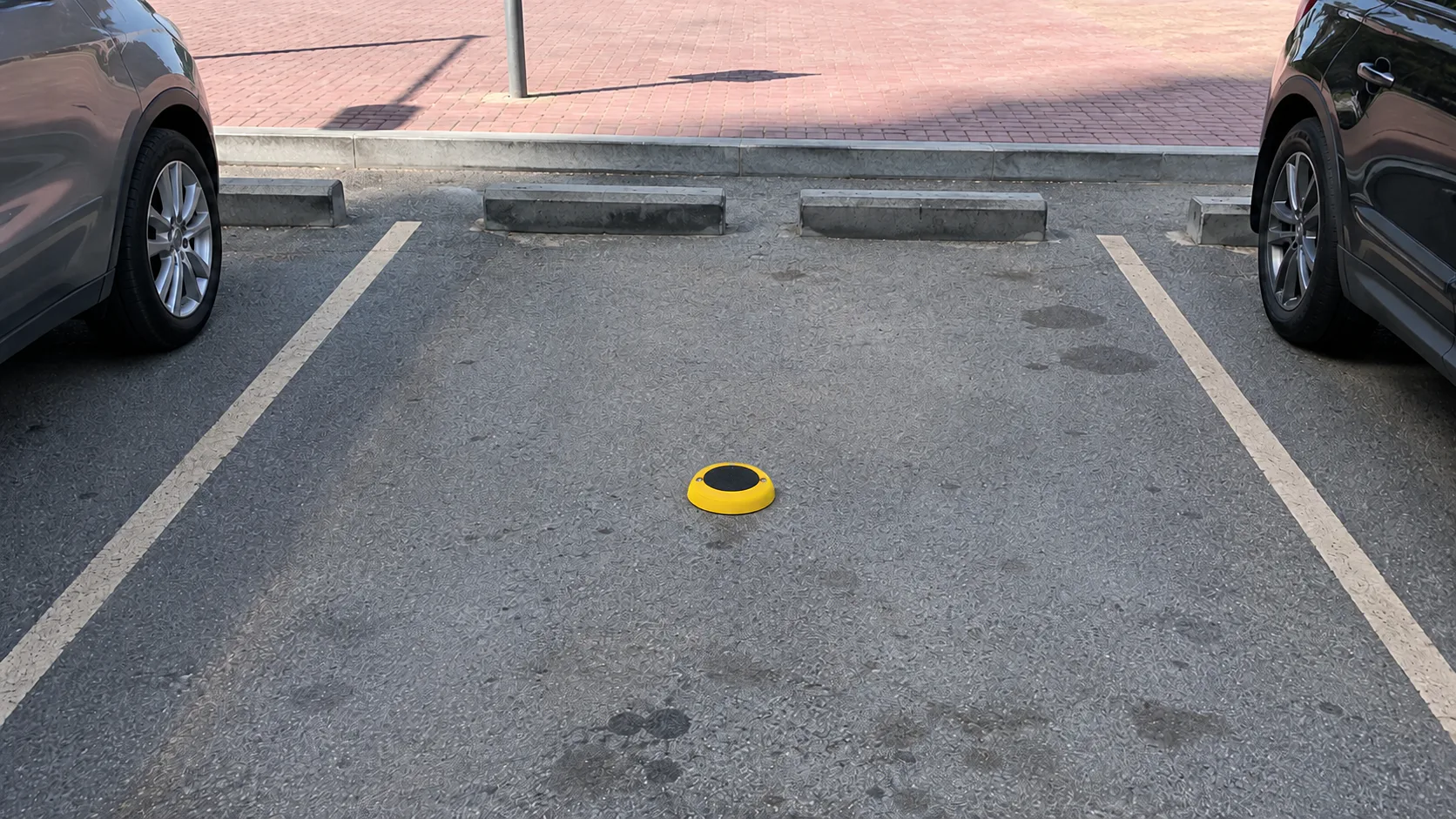
Parking occupancy from P01, bin fill-level from B01, and water-level readings from H01 are consolidated over NB-IoT into a single operating platform, so the district does not need a separate system and workflow for each asset type. Each sensor keeps reporting independently, but every reading lands in the same operating view for review.
Operators compare conditions across locations from one interface, catch exceptions earlier, and decide which maintenance tasks move first based on real field status — parking, waste, and drainage all visible in the same view.
Value
Fewer rounds, sharper maintenance decisions
Supervisors now open one screen to compare parking, bin, and drainage status instead of checking each system on its own. Routine patrol workload drops, issues surface faster, and maintenance effort concentrates on locations that actually need service.
Scheduling tomorrow's rounds now starts from what's already on the screen, not from memory — supervisors set priority by what the data flags, and the same view is built to take on whatever asset type gets added to it next.
Next Step
List the asset types you manage and how they are inspected today. NHR can then help compare which categories are the best candidates to bring into a shared monitoring view first.
Explore Solutions / Talk to an Expert
Image Gallery
Notes
- Every site is different; deployment plans and outcomes should be assessed by qualified professionals against actual site conditions.
*Lead image and some supporting images are illustrative