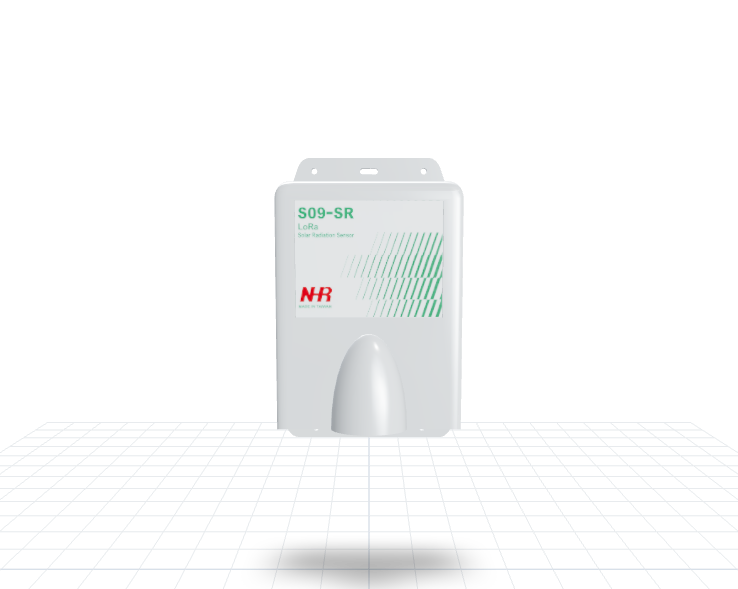
Storage-Room Records in One Place: Wireless Monitoring for Medical Storage in Germany
Readings from multiple controlled rooms were scattered, so records had to be organized room by room. S09 wireless sensing centralizes available readings for comparison in one place.

Project Profile
- Region: Germany
- Category: Logistics
- Products: S09
S09 transmits sensor data; the measurement parameters described here are provided by the connected external sensors.
Operational Value
- Multi-zone review — Compare received readings from configured monitoring points.
- Record preparation — Make timestamps, exceptions and gaps visible for the quality team’s review.
- Operational objective — Shorter response time to deviations (not a measured project outcome)
Case Snapshot
This German medical storage case uses S09 wireless temperature and humidity monitoring across multiple controlled rooms. Centralizing available readings helps the operator compare conditions and organize records without treating each room as a separate information source.
Problem
Define what each monitored room needs to show
Storage conditions should follow the requirements of the products involved and the operator’s quality procedures. Different products need not share a single temperature or humidity range. A room reading is not a direct measurement of every stored item, nor does it establish product quality or suitability for use.
The operator needs to decide where to measure, how to associate each sensor with its room and how to investigate a deviation. Placement should reflect the storage layout and relevant temperature-mapping or site-assessment results. Changes in loading, doors or room configuration may warrant review.
Solution
Use one platform while checking each room’s conditions
Sensors connected to S09 provide environmental readings to the central platform through the configured wireless network.
Configured thresholds can trigger notifications to designated staff, subject to reporting intervals and network availability.
Value
Make available records easier to review
Centralized records can support routine checks and exception investigations. Their usefulness depends on identifiable sensors, aligned timestamps, measurement verification, retention and appropriate access.
Next Step
Select representative rooms based on product requirements and operational risk. Review point placement, measurement checks, record fields and connectivity, then agree pilot acceptance criteria before extending the approach to additional rooms.
Notes
- Installation must reflect room access, fixing methods, power and networking; wireless transmission does not mean no construction work or identical installation cost and timing for every room.
- Each room's deployment plan should confirm measurement checks, reporting intervals, signal coverage, approved mounting and maintenance access; offline storage and later upload must be verified for the installed configuration.
- The team should confirm acknowledgement and follow-up procedures and how disconnections and missing readings are displayed; missing data should be flagged for investigation, not treated as an acceptable period.
- Export and change-history requirements should be confirmed for the intended quality workflow; digitizing data alone does not establish validation or audit acceptance.
- Product disposition and release remain with the responsible quality process; this case does not establish uninterrupted records for every room, a measured reduction in response time or regulatory certification.
- Every site is different; deployment plans and outcomes should be assessed by qualified professionals against actual site conditions.
*Illustrative image
Explore Solutions / Talk to an Expert