Field-proven NHR IoT deployments across smart cities, agriculture, logistics, energy, and industrial infrastructure.
A full district round can still miss what needs work. Parking, bin and drainage status on one platform lets teams check data first and plan rounds.
Operators draw hot-spring water at different times, but the well's response goes unseen. This planned system adds well level and temperature to usage monitoring to flag supply risks early.
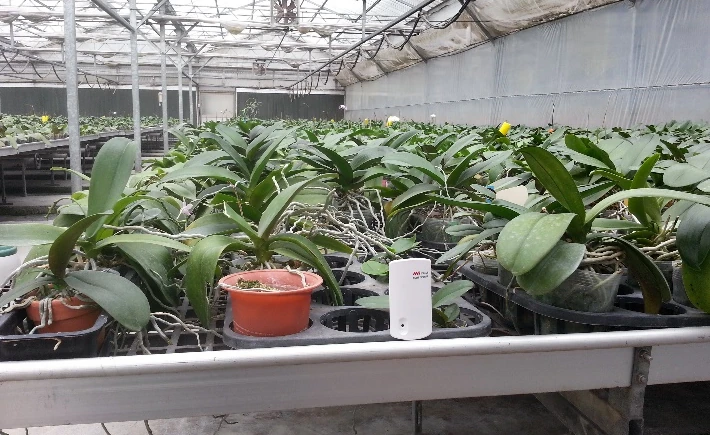
Scattered greenhouses meant site visits, manual readings and re-entry. NB-IoT sends temperature and humidity automatically, so teams see which site needs a visit first.
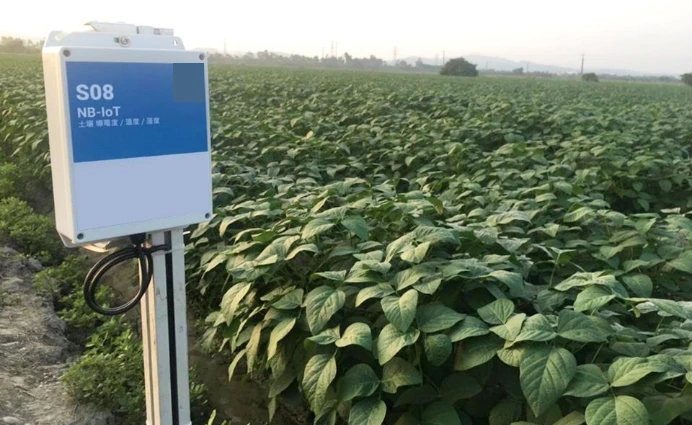
Soil, weather and aquaculture water-temperature data sat apart, leaving irrigation calls to experience. Bringing every site's readings together lets fieldwork follow actual data.
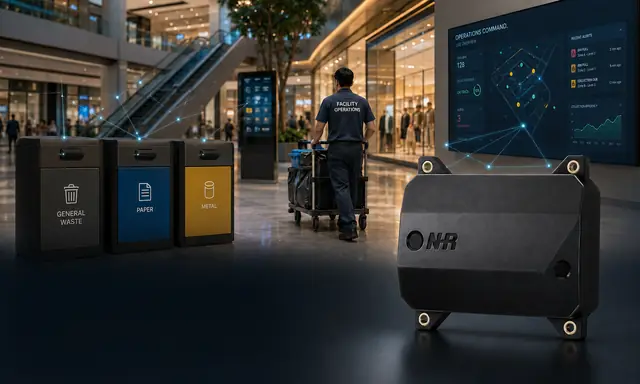
At peak hours, bins fill faster than visual rounds can follow. B01 alerts station control when a bin is full, and cleaners are dispatched over existing radios.
Bins fill at different rates, so fixed rounds miss the right moment. At 85% fill, B01 sends a LINE message straight to the cleaner responsible for that area.
A single reading can't tell normal variation from a developing problem. Vibration sensing with S09 tracks trends so servicing and spare parts can be planned ahead.
On fixed routes, full bins wait while others get rechecked. Bin and recycling status feeds task ranking, so cleaners go where they're needed first.
On busy streets, violations end before patrols arrive. Bay sensors record occupancy time for designated spaces, giving staff a basis for follow-up review.
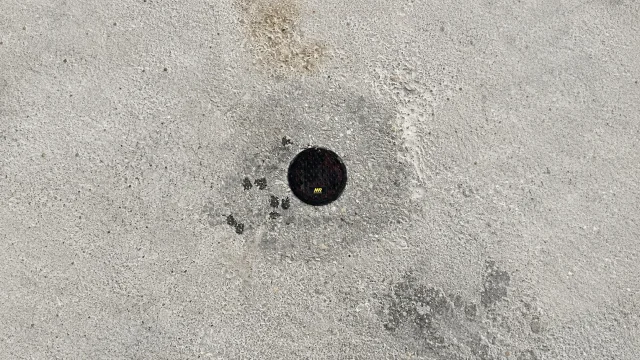
Often the street isn't full—open bays just can't be seen. P01-NW reports occupancy in real time so drivers find bays and operators understand turnover.
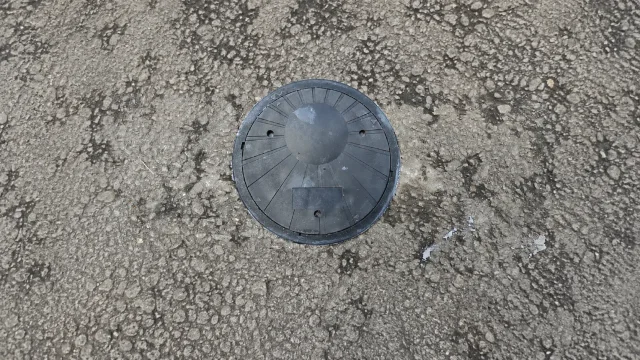
The bays were there, but no one could see them, and wiring a district is a big job. In-ground P02-LW sensors report over LoRaWAN with less cabling.
Metered bays went digital, but free curbside bays stayed invisible. Embedded sensors cover general, accessible and large-vehicle bays—no cameras, no plate records.
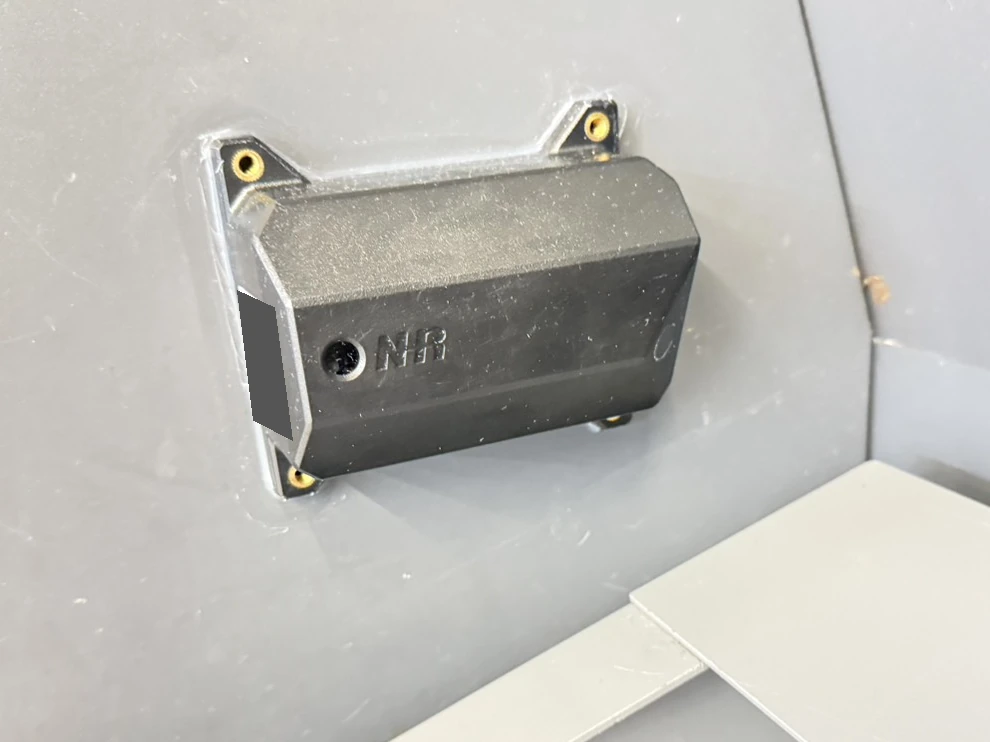
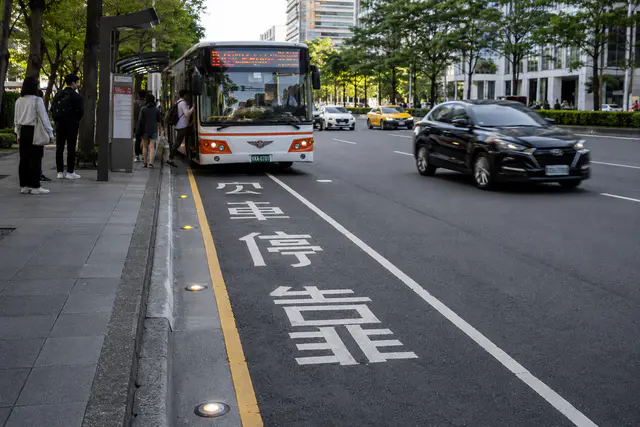
By the time a patrol passes, a blocked stop has already turned buses away. Eleven sensing points along each stop flag likely obstruction so enforcement knows sooner where to go.