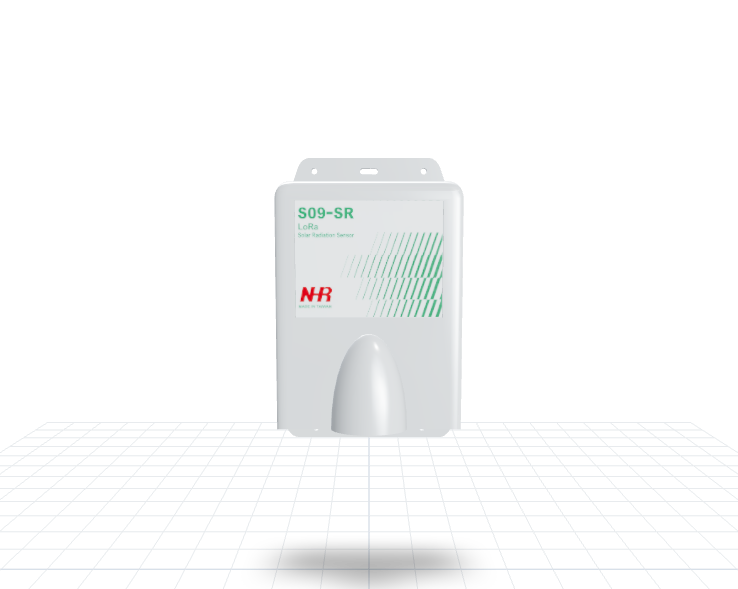
Smart Compost Fermentation Monitoring for Quality Control in Taiwan
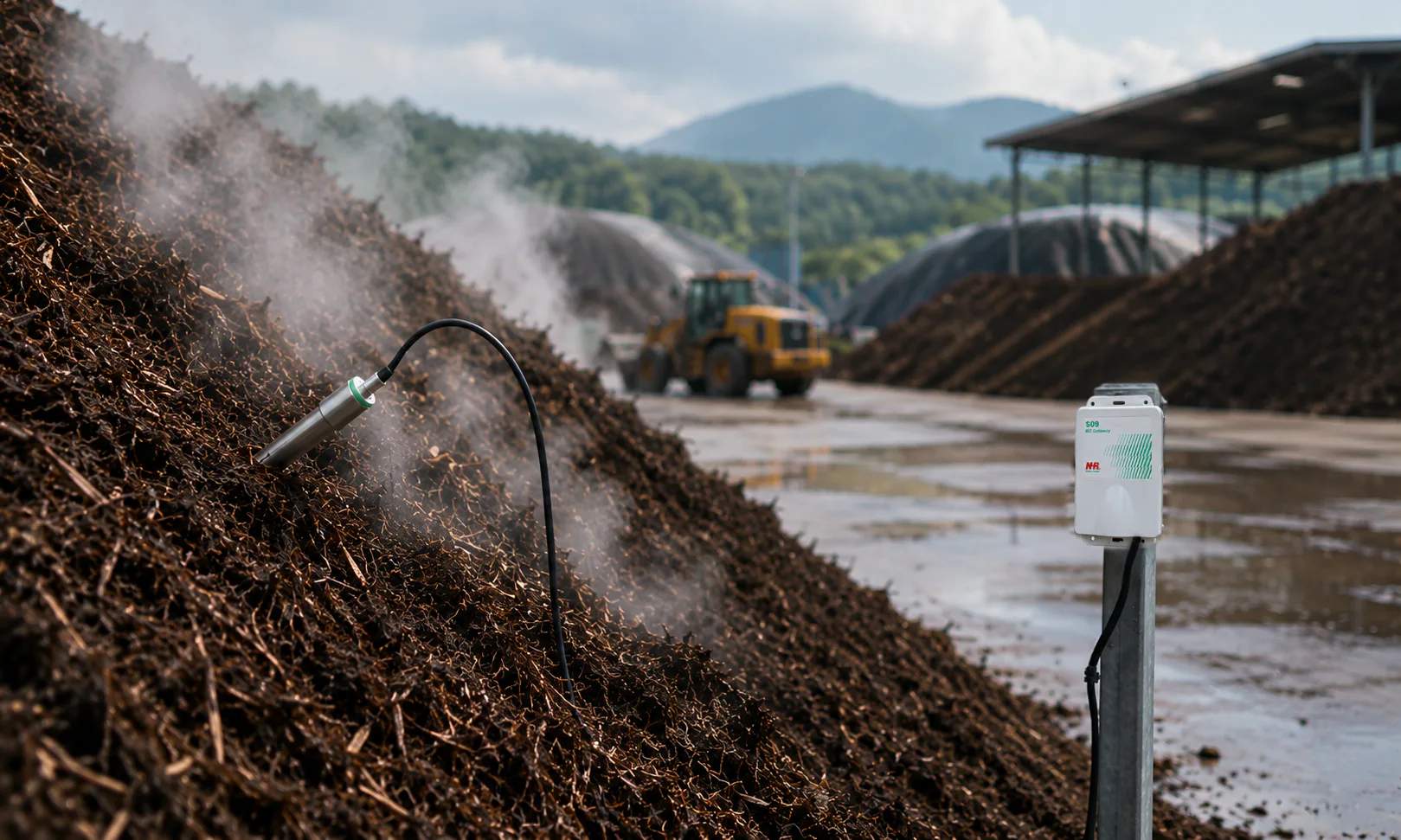
Heat deep in a compost pile can't be seen, and spot checks miss most depths. S09 with external probes logs temperatures at several depths to guide turning and process changes.
Project Profile
- Region: Taiwan
- Category: Agriculture
- Products: S09
S09 transmits sensor data; the measurement parameters described here are provided by the connected external sensors.
Operational Value
- Multi-Depth — Internal pile heat-layer visibility (Fermentation core)
- Site suitability — Confirm probe materials, temperature limits, and maintenance intervals against compost composition
- Operational objective — More consistent fermentation batches (not a measured project outcome)
Case Snapshot
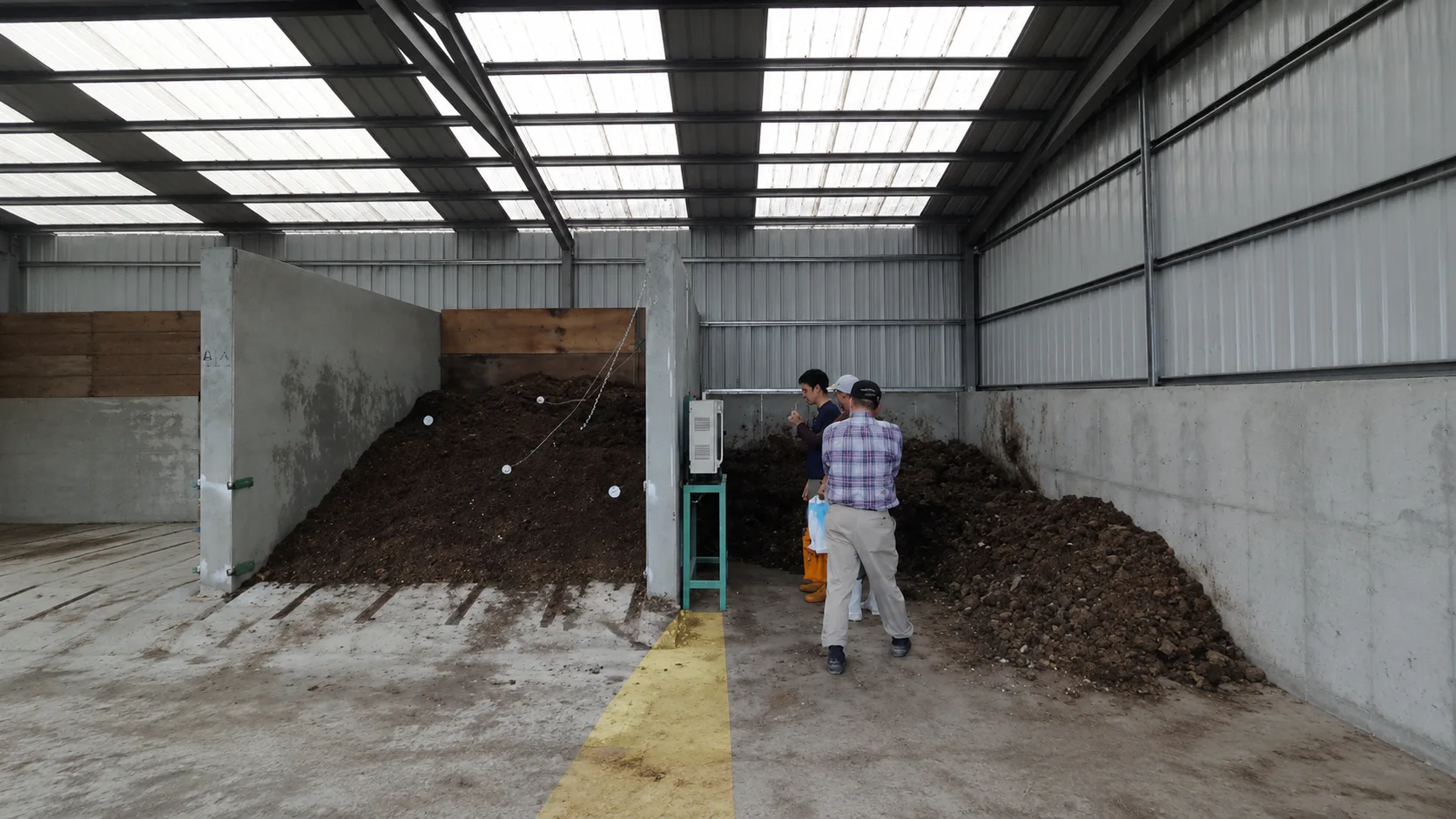
Compost management needs more than a temperature reading at one moment: teams need to follow changes at different sensing points over time. This Taiwan case uses pile-temperature monitoring to support process records, allowing comparison across depths and locations alongside site operations.
Problem
Heat Deep Inside the Pile Stays Invisible
Inside a large compost pile, temperature can shift quickly with aeration, turning frequency, moisture, and feedstock condition. If a pile overheats, turns anaerobic in pockets, or drifts outside its target range for too long, the result can be odor complaints, delayed fermentation cycles, and inconsistent fertilizer quality.
Manual spot checks cannot continuously cover every pile and depth, and require staff time and scheduling. Heat, moisture, and potentially corrosive conditions also affect material selection and maintenance. More complete process records can support investigation of abnormal trends and batch differences.
Solution
Multi-Depth Probes Map the Pile's Heat Layers
Temperature sensing points are placed at different depths to capture temperature distribution and fermentation changes, with data sent wirelessly to the operations team.
Staff can compare temperature trends with aeration, turning, and moisture-management records when considering adjustments. This does not mean the temperature sensors also measure moisture content or oxygen concentration.
Value
Temperature Data Grounds Every Adjustment
A continuing temperature record lets operators compare sensing points, observe heating and cooling trends, and review changes around turning or aeration.
Historical records support batch traceability, but a temperature curve alone should not establish maturity or acceptance of an entire batch.
Next Step
Provide pile dimensions, target measurement depths, and site conditions to confirm material suitability, probe placement, and installation approach before defining a pilot.
Explore Solutions / Talk to an Expert
Image Gallery
Notes
- Probe materials, temperature limits and corrosion resistance must be checked against equipment specifications and compost composition; long-term use requires inspection and maintenance.
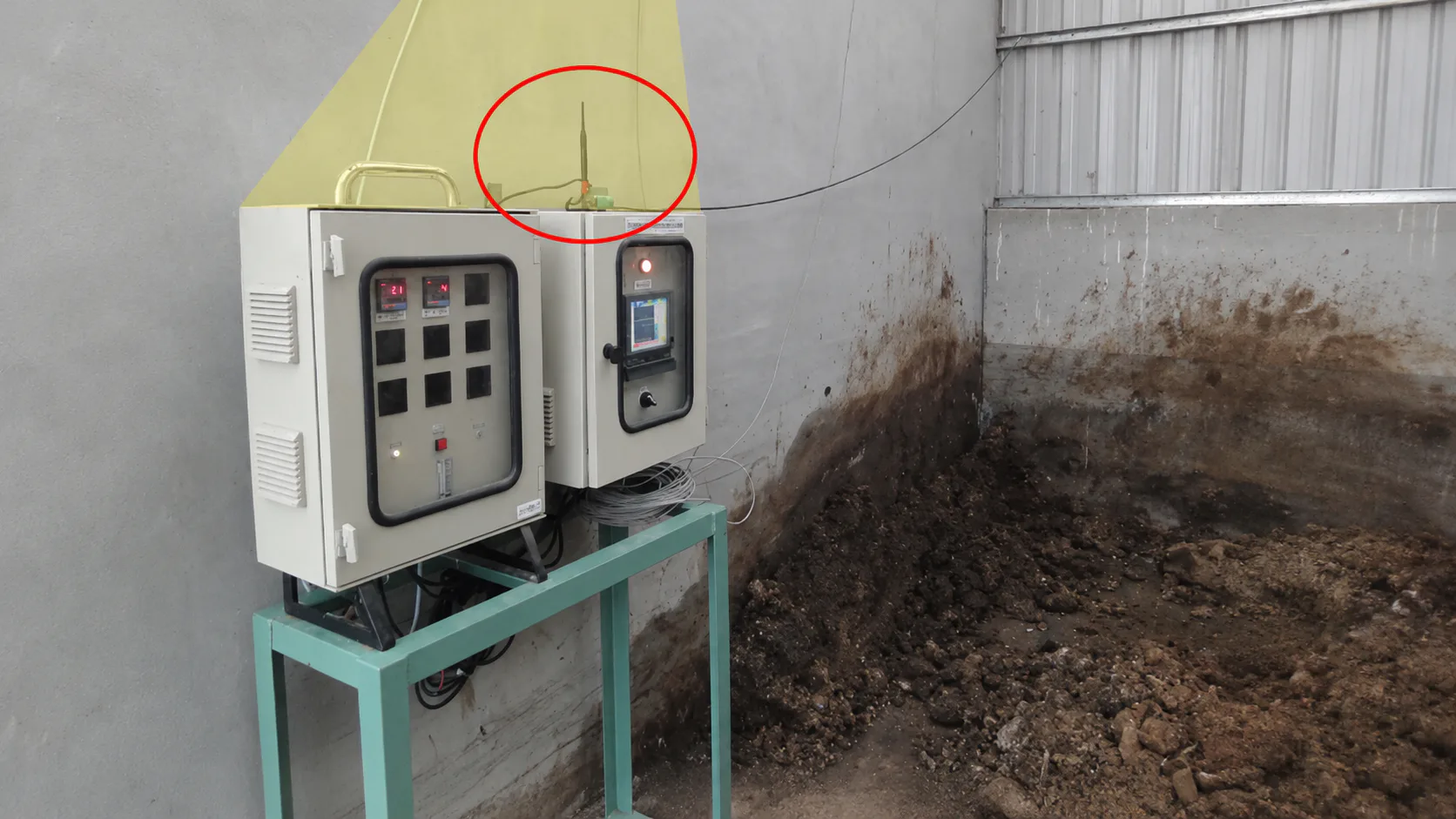
- Wireless reporting can reduce communications cabling, but probe connections, power, coverage and protection during turning still need planning.
- An abnormal trend is a reason to investigate, not a direct diagnosis of odor or a guarantee that every deviation will be caught before quality is affected.
- Interpretation still requires feedstock, moisture, aeration and on-site quality checks; sensor maintenance, calibration and necessary manual spot checks should continue.
- This case provides no rejection, reprocessing-cost, batch-acceptance or staff-hour data, so payback and improvements are not calculated.
- Every site is different; deployment plans and outcomes should be assessed by qualified professionals against actual site conditions.
*Illustrative image