Field-proven NHR IoT deployments across smart cities, agriculture, logistics, energy, and industrial infrastructure.
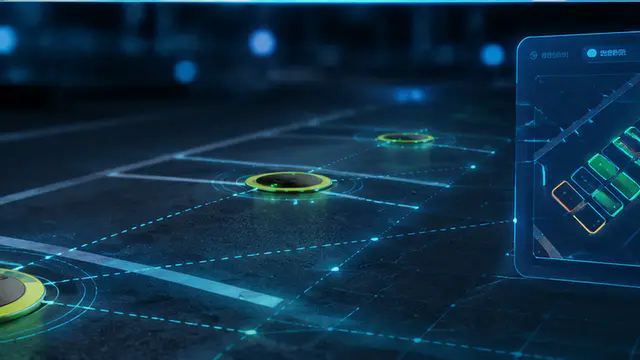
A full district round can still miss what needs work. Parking, bin and drainage status on one platform lets teams check data first and plan rounds.
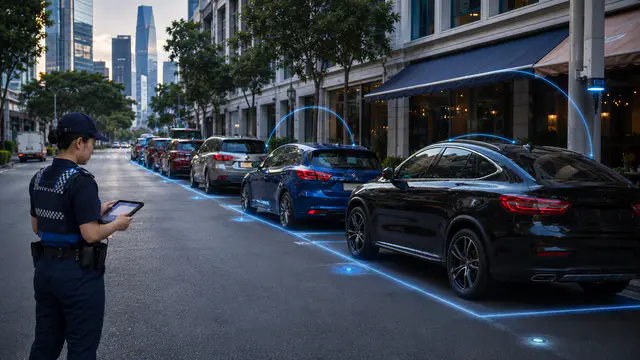
On busy streets, violations end before patrols arrive. Bay sensors record occupancy time for designated spaces, giving staff a basis for follow-up review.
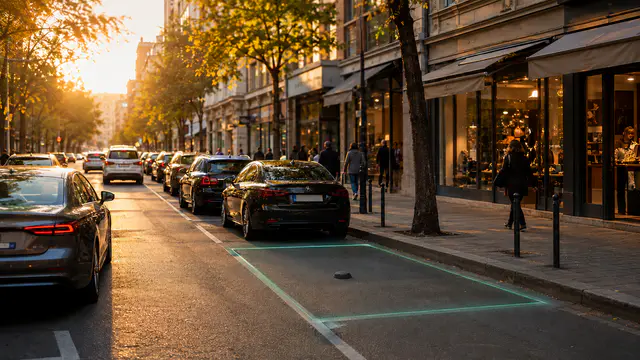
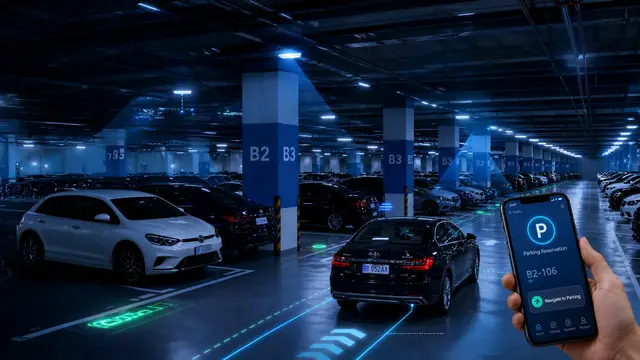
Often the street isn't full—open bays just can't be seen. P01-NW reports occupancy in real time so drivers find bays and operators understand turnover.
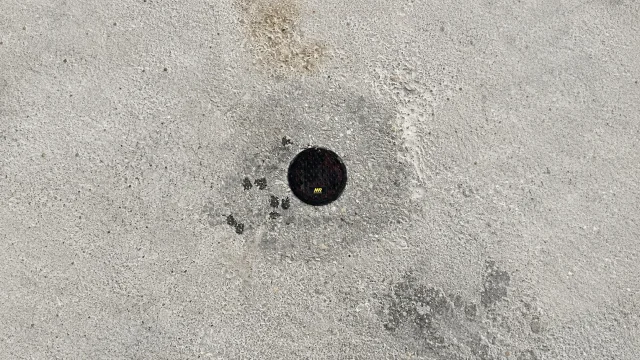
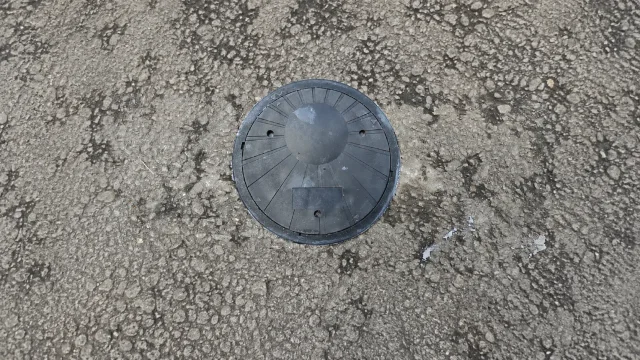
The bays were there, but no one could see them, and wiring a district is a big job. In-ground P02-LW sensors report over LoRaWAN with less cabling.
Metered bays went digital, but free curbside bays stayed invisible. Embedded sensors cover general, accessible and large-vehicle bays—no cameras, no plate records.
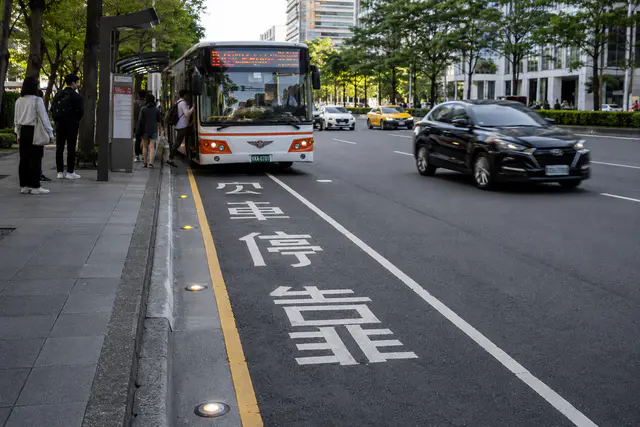
By the time a patrol passes, a blocked stop has already turned buses away. Eleven sensing points along each stop flag likely obstruction so enforcement knows sooner where to go.
Visitor parking can throw reception off before guests arrive. P02-LW sensing, reservations and status lights show at a glance whether a bay is reserved, free or taken.
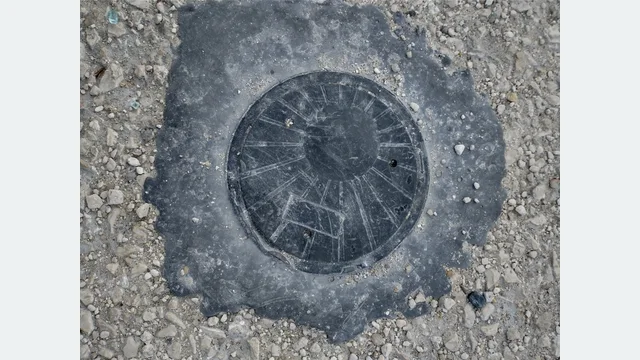
With no open bay in sight, traffic circles the historic lanes. P02-LW sensors set into the paving use the existing LoRa network, putting availability online with minimal impact on the streetscape.
In billing disputes, plates, images and times sat in different places. C01-A merges them into one event record at tower entrances for consistent searches across towers.
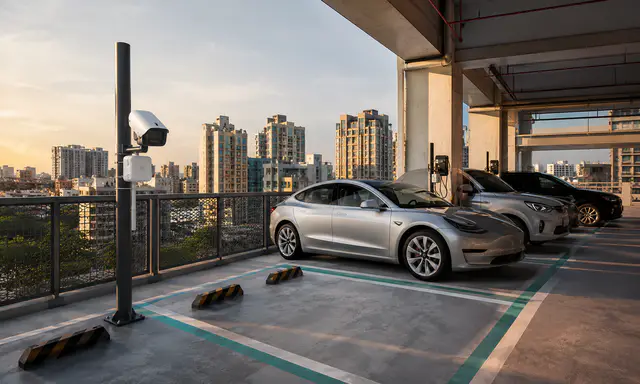
Checking whether a regular car had taken a charging bay meant sending someone. C01-A edge cameras report occupancy events and images, giving staff a clear starting point.
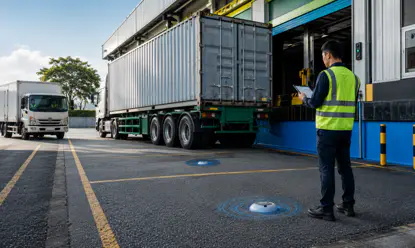
Trucks block the view, so the next entry is guesswork. P01 sensors report loading-bay occupancy in real time, so dispatch no longer waits on a radio call.