Is the Charging Bay Taken? AI Bay Vision Monitoring for Parking Sites in Taiwan
Checking whether a regular car had taken a charging bay meant sending someone. C01-A edge cameras report occupancy events and images, giving staff a clear starting point.
Project Profile
- Region: Taiwan
- Category: City
- Products: C01-A
Reference Impact
- Real-Time — Parking-space status visibility (On-site operations reference)
- Non-Contact — AI-based image recognition monitoring (Reduced ground construction)
- Multi-Bay — Parking and EV charging bay management (Configured to site layout)
Case Snapshot
When parking spaces and EV charging bays share a managed zone, operators first need to know which positions are occupied and which events require a closer look. At this Taiwan facility, C01-A edge AI cameras provide occupancy events and still images to support on-site checks. An occupied bay does not prove that a vehicle is charging; charging status, authorization and violations require charger data, operating rules or human verification.
Problem
Shared Bays Raise One More Question Than Parking Alone
Occupancy alone does not answer what a mixed-use lot needs to know. Confirming whether a vehicle sits inside its marked space, or whether a charging bay has been taken by a regular vehicle, still requires someone to walk out and check, so response time stays tied to patrol frequency.
That gap widens during peak traffic or high charging demand, when conditions change faster than a manual patrol can track. When a charging bay is occupied by the wrong vehicle, the driver who actually needs to charge is often left waiting for the next round of checks, and the operator is left without data to analyze any of it afterward.
Solution
Match Each Camera's Coverage to the Bay Layout
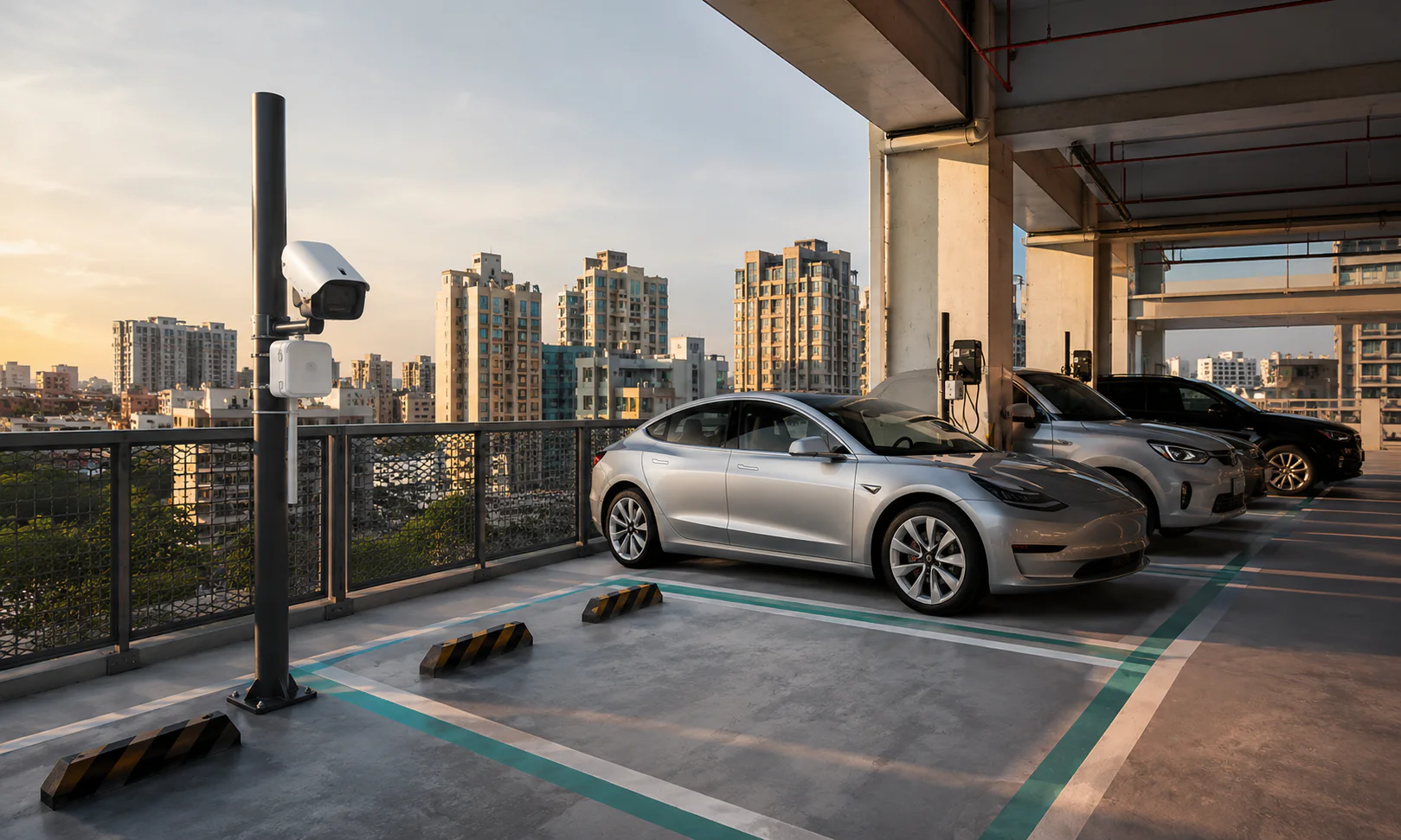
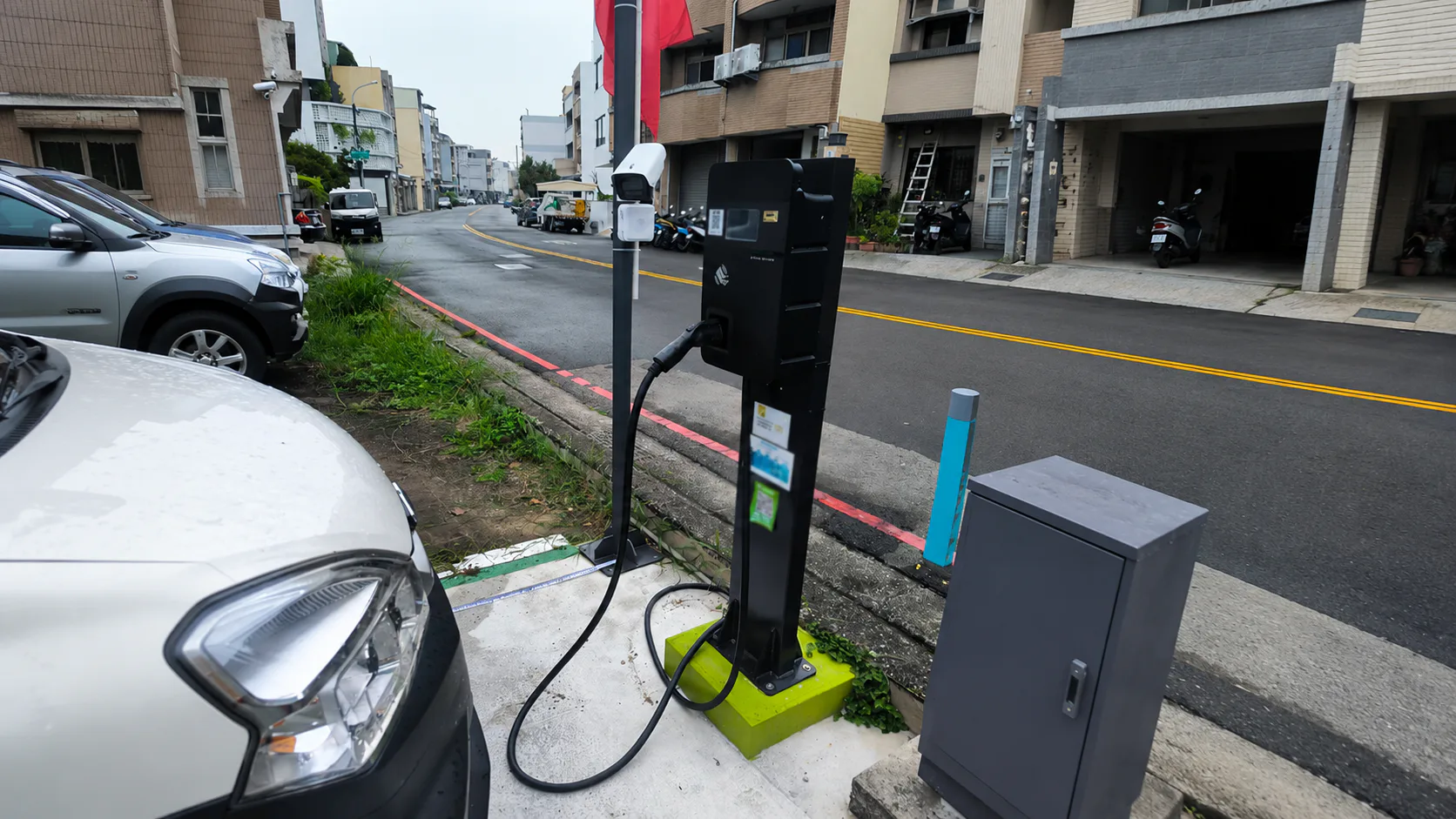
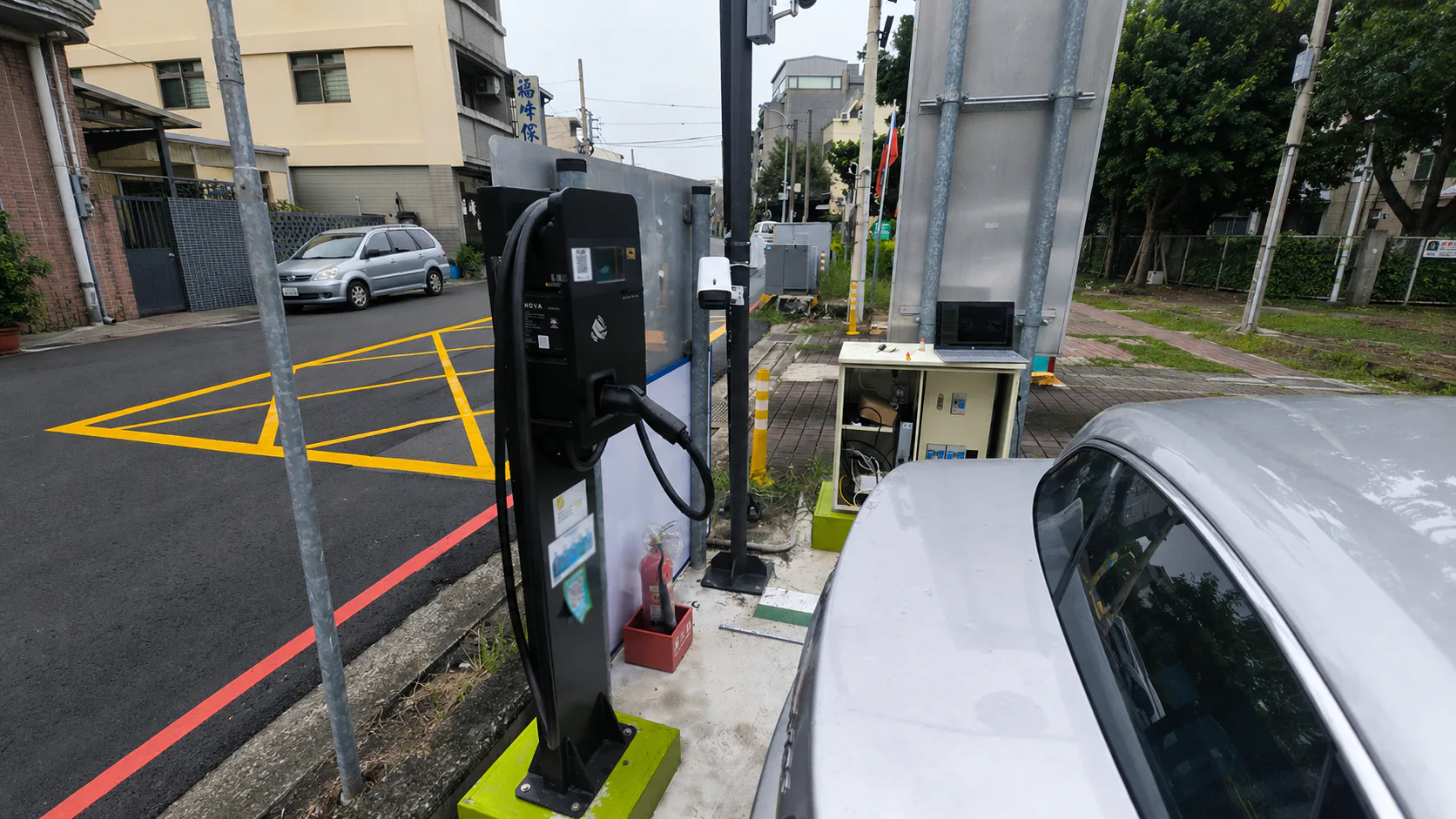
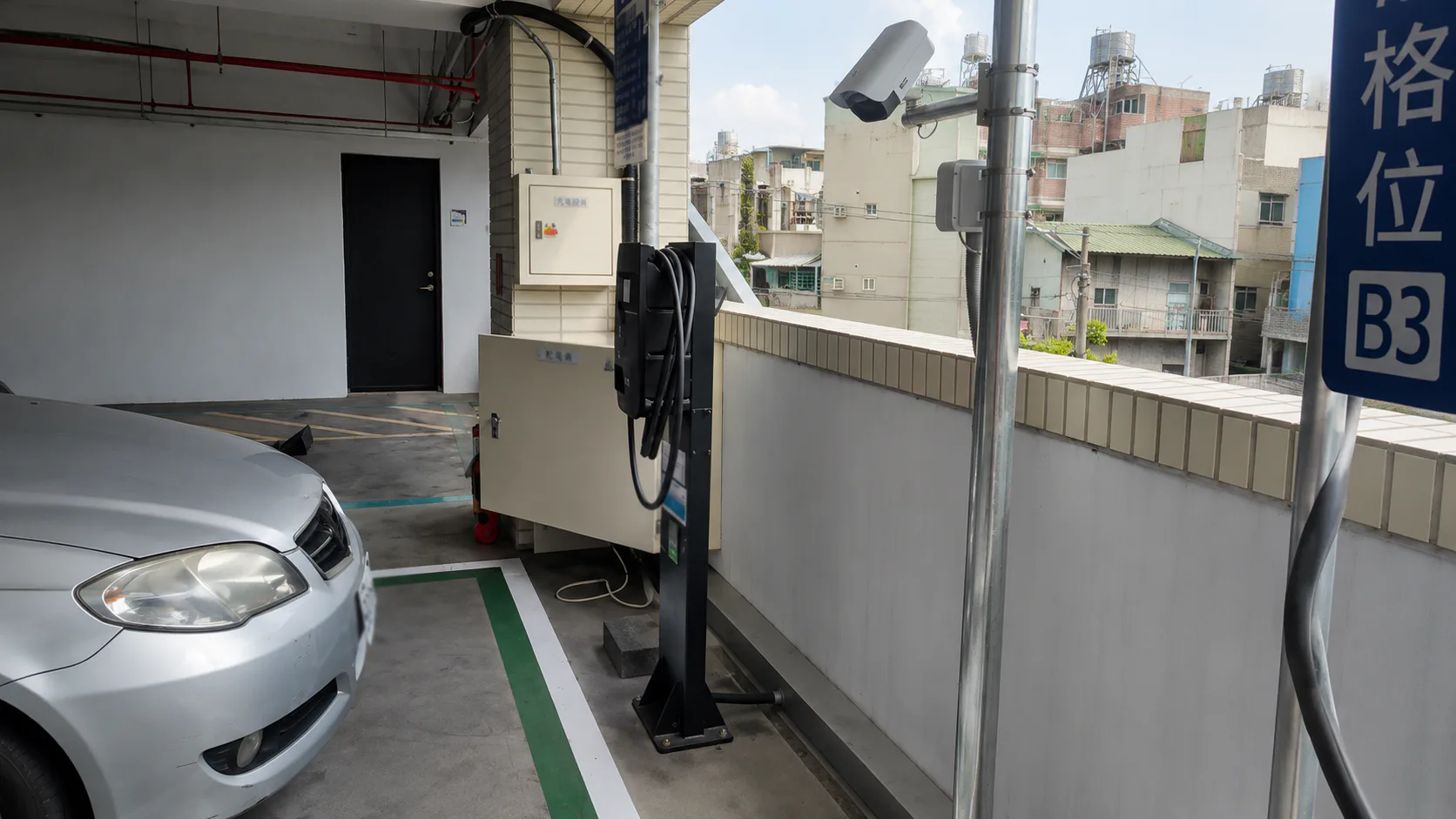
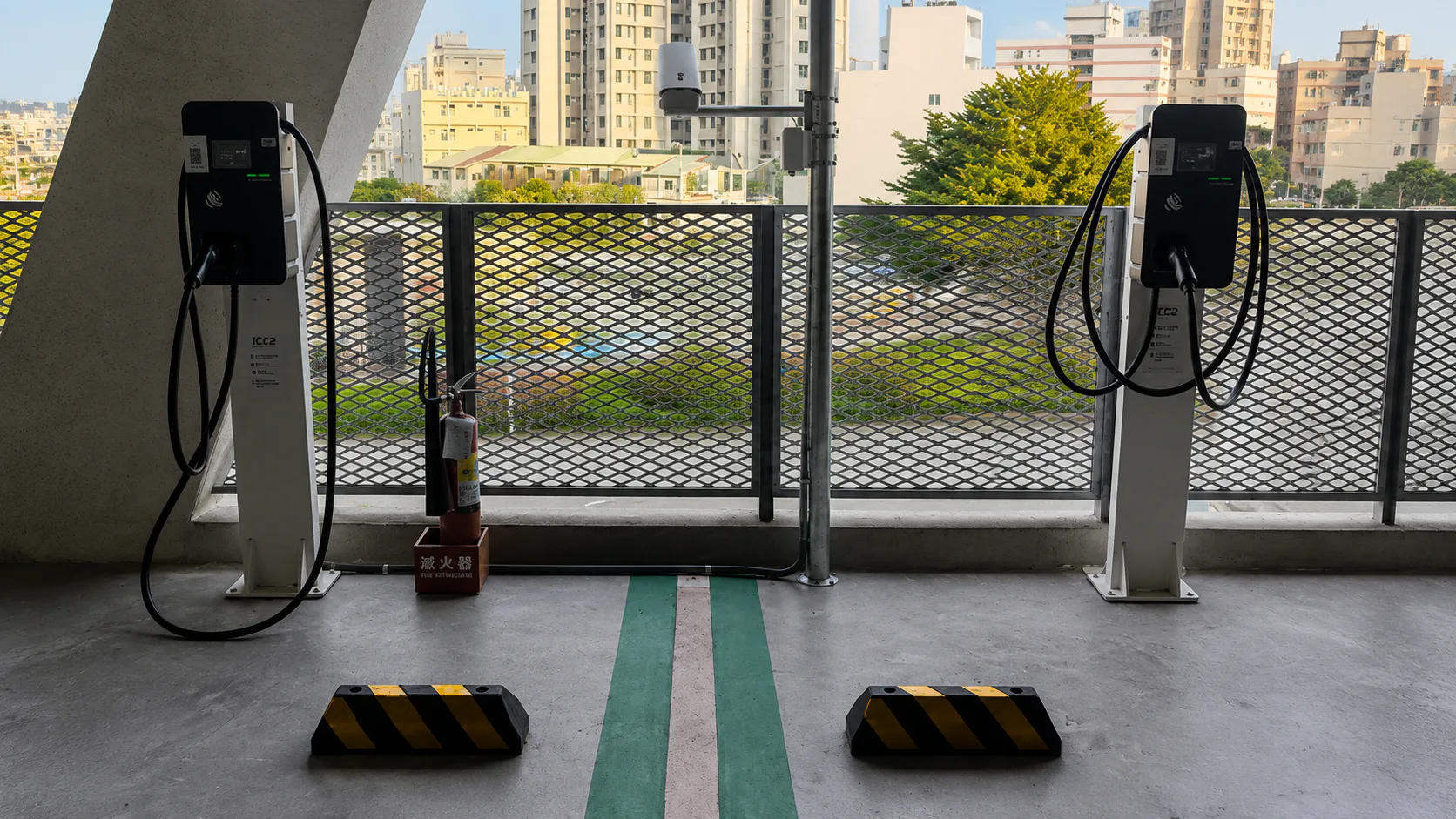
C01-A uses low-pole mounting and can monitor up to two adjacent bays per device in suitable layouts, not an entire row from one camera. Coverage depends on bay dimensions, mounting height, angle and obstructions; larger areas require multiple devices. This approach can reduce excavation within parking spaces compared with in-ground sensors, but pole foundations, power and communications still require site planning.
Occupancy events and still images can support platform displays and subsequent review. Alerts, charging-area workflows and record retention depend on the platform integration and site rules. Camera occupancy data alone cannot confirm normal charging operation.
Value
Give On-Site Checks a Clear Starting Point
Bay status and event images help operators identify occupied spaces and events that need closer review. Whether a charging bay can provide service must still be checked against charger status and site conditions: an unoccupied space does not necessarily mean charging is available.
Keeping occupancy events and review records provides a basis for understanding bay use and prioritizing patrols. Any reduction in patrol hours, improvement in turnover or reduction in misuse must be assessed from operating records; these are not presented as verified outcomes of this case.
Next Step
Review past parking or charging-bay occupancy complaints together with the available camera views to identify likely blind spots before finalizing pole and lens placement.
Explore Solutions / Talk to an Expert
Image Gallery
Notes
- Every site is different; deployment plans and outcomes should be assessed by qualified professionals against actual site conditions.
*Illustrative image