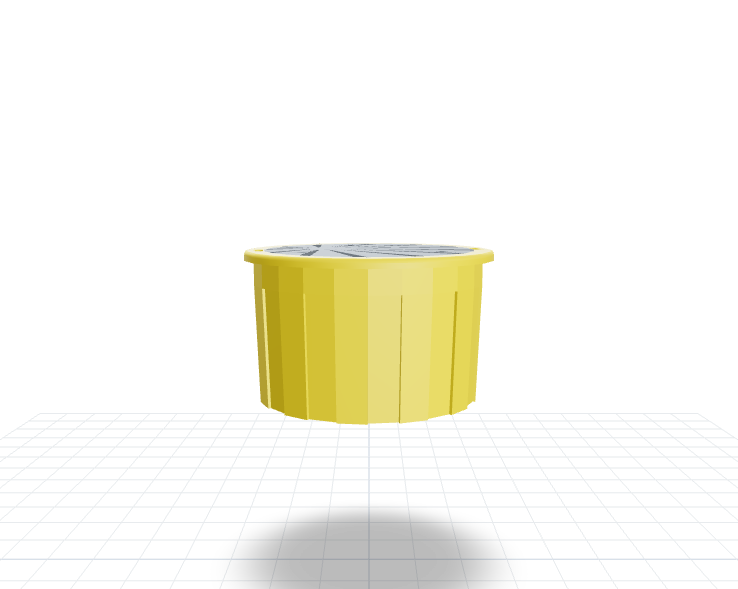
Visible Bays, Less Cabling: LoRaWAN In-Ground Parking Sensors in North Macedonia
The bays were there, but no one could see them, and wiring a district is a big job. In-ground P02-LW sensors report over LoRaWAN with less cabling.
Project Profile
- Region: North Macedonia
- Category: City
- Products: P02-LW
Operational Value
- 100% — Deployed bay status visibility (Deployment scope)
- Operational objective — Less search-circling traffic (not a measured project outcome)
- LoRaWAN — Wide-area deployment without complex wiring (Low installation complexity)
Case Snapshot
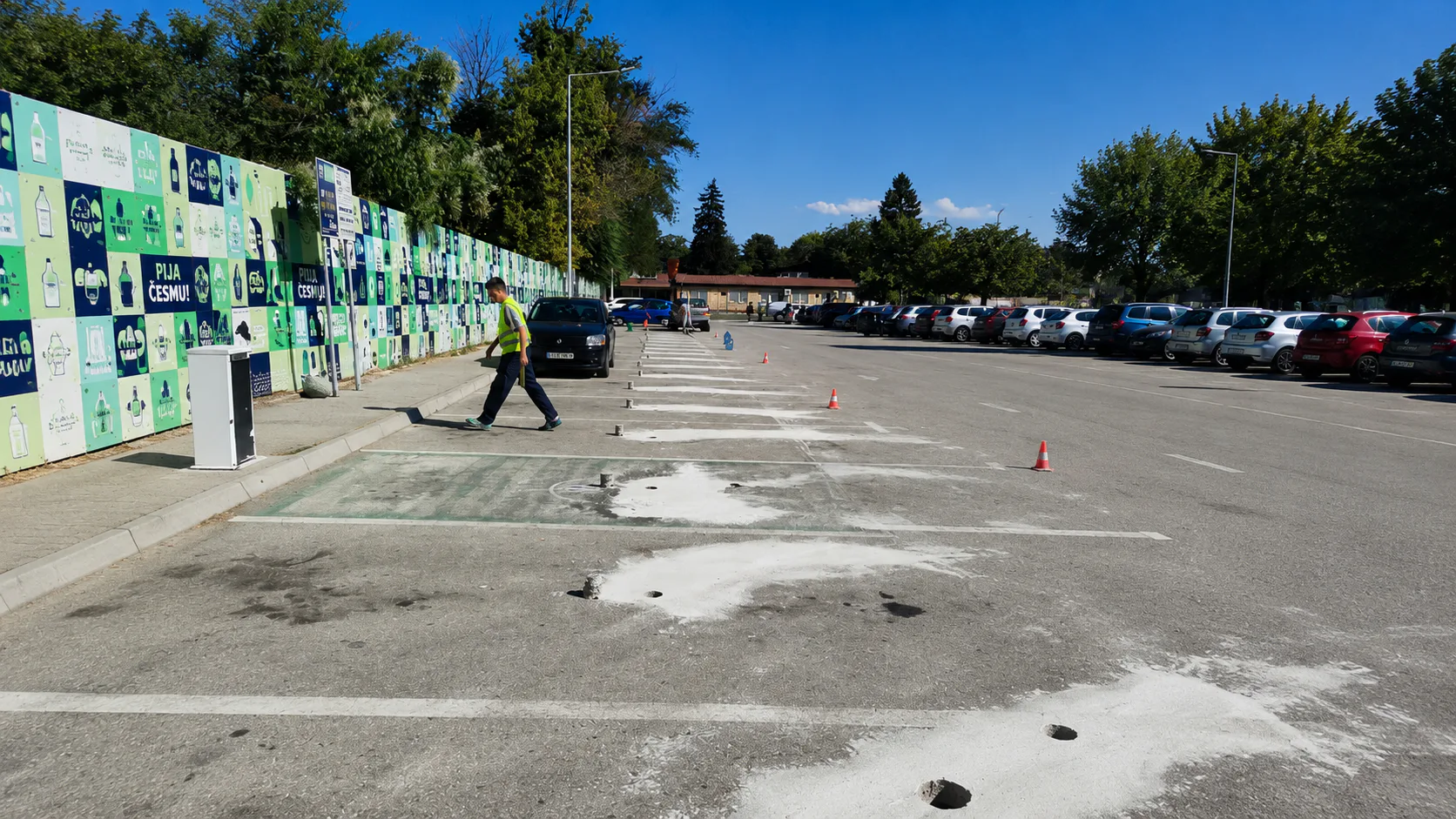
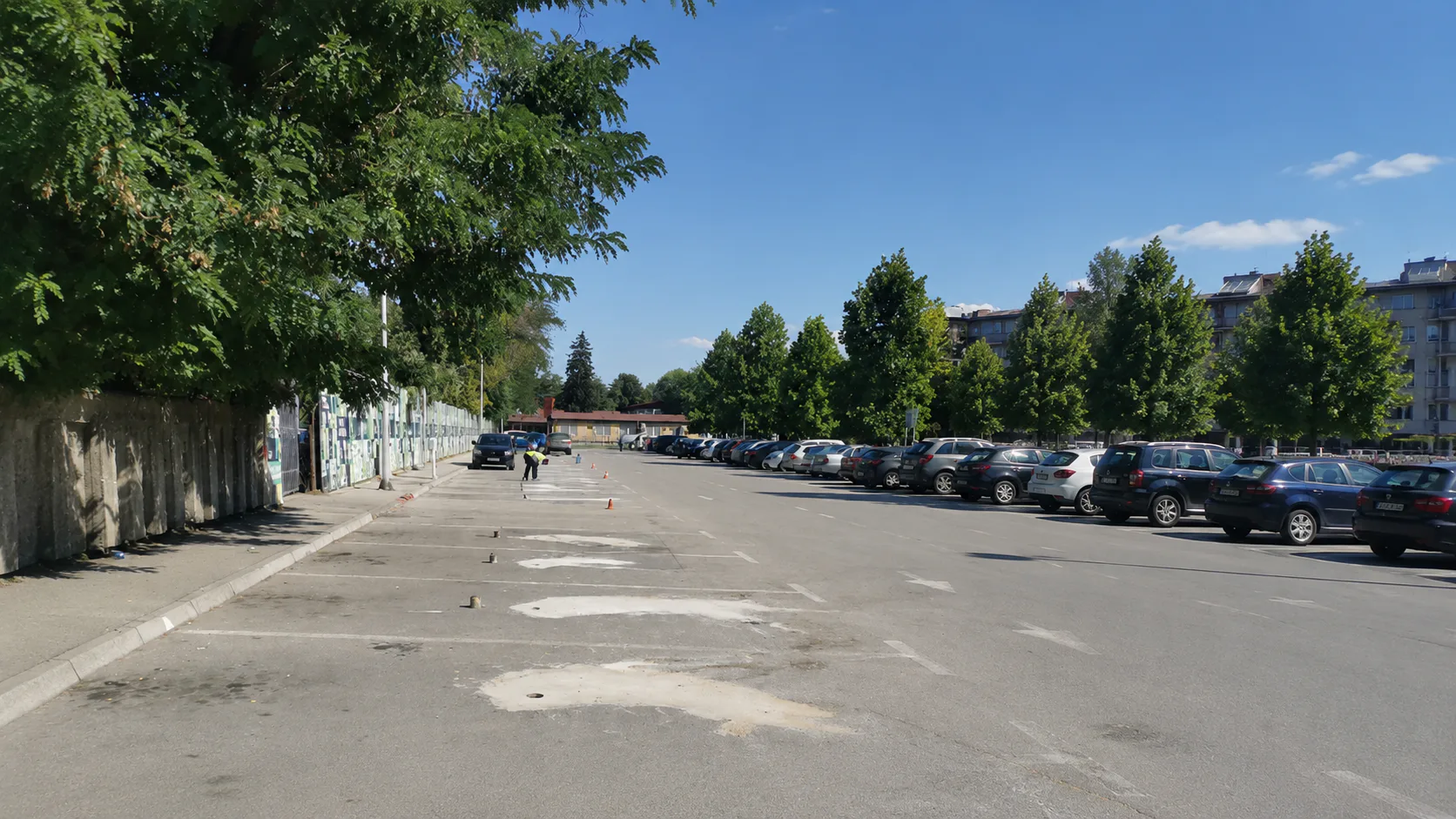
In a high-demand urban zone in North Macedonia, drivers circling for curbside parking was a daily sight, adding to congestion, fuel use, and a frustrating parking experience. The city embedded P02-LW LoRaWAN sensors at curbside spaces, scaling across a wide area without major cabling work, so space status was available as data the city could monitor, share, and analyze through digital channels.
Problem
The Supply Was There; No One Could See It
In parking-dense urban corridors, the spaces are usually there — what's missing is a way for drivers and operators to know which ones are open at the same time. Left to visual searching alone, drivers circle, stop briefly in the wrong spot, and change routes repeatedly, especially during the busier evening hours.
Operators face a parallel gap: without space-level data, it's hard to read utilization, spot demand hot spots, or set management priorities. Curbside parking stays a matter of passive observation — which block gets more patrols or which one should get more bays often only gets decided after complaints or a council question forces the issue, rather than from data that flagged it first.
Solution
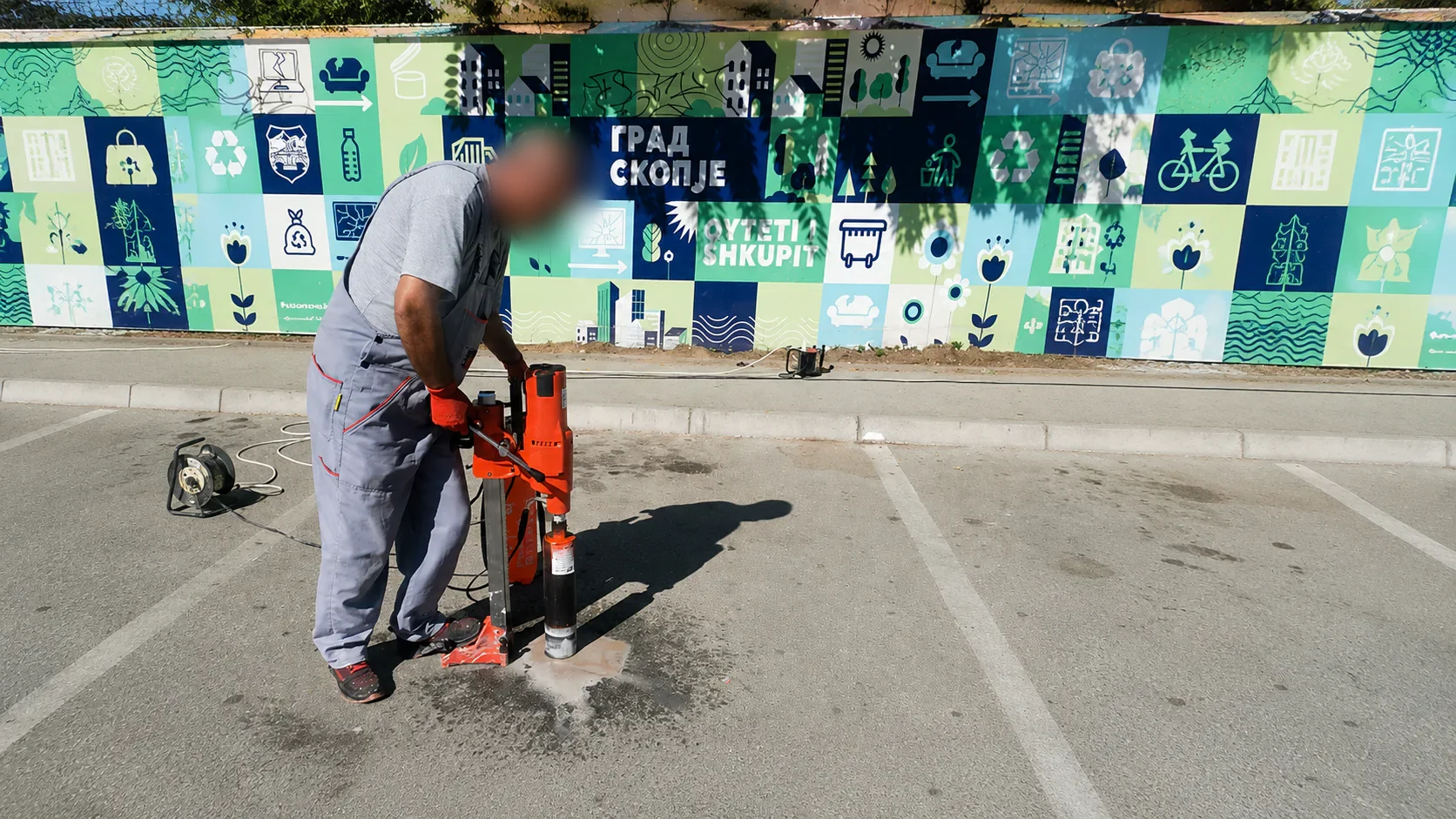
Wide Coverage Without Digging or Wiring
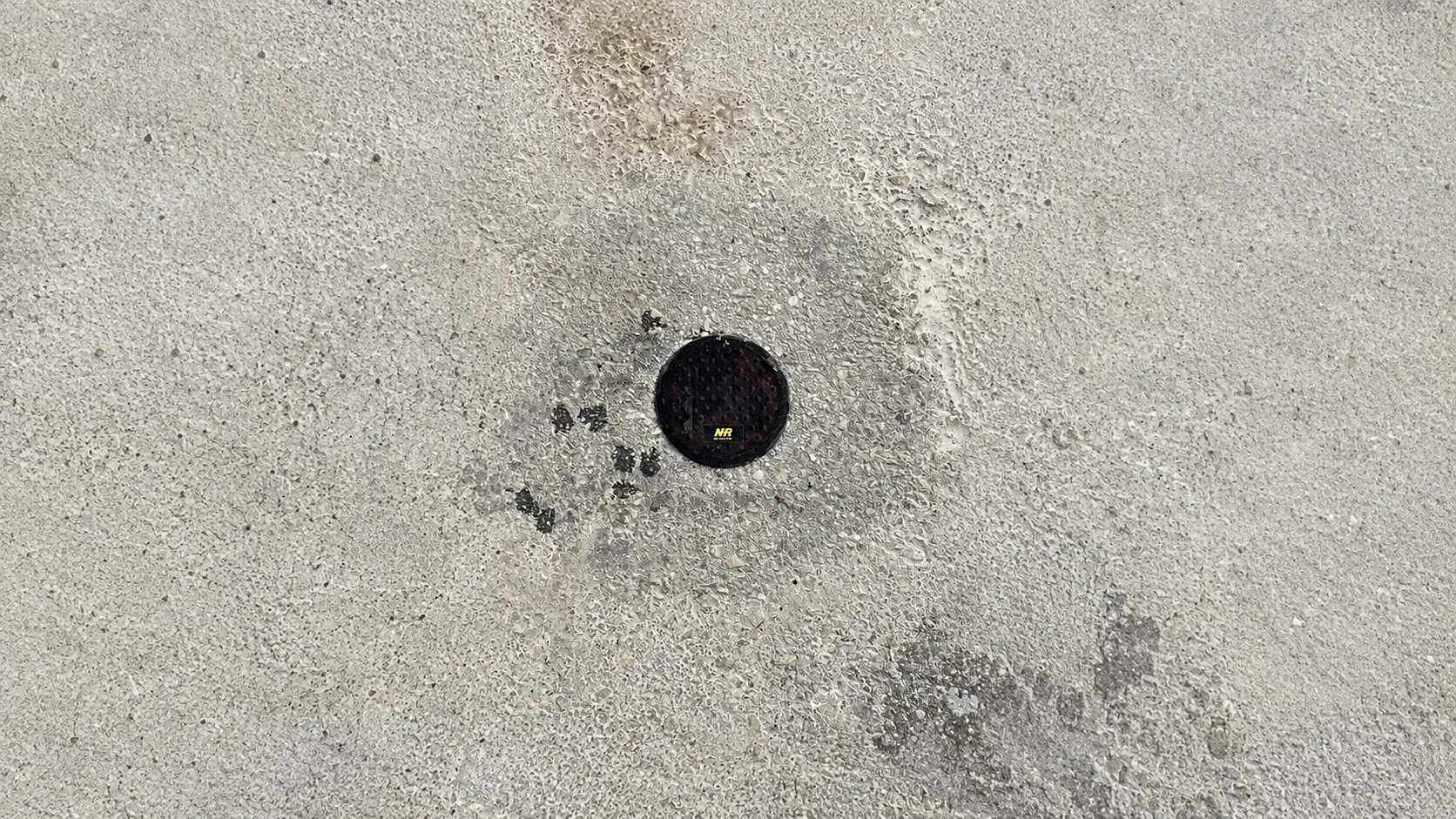
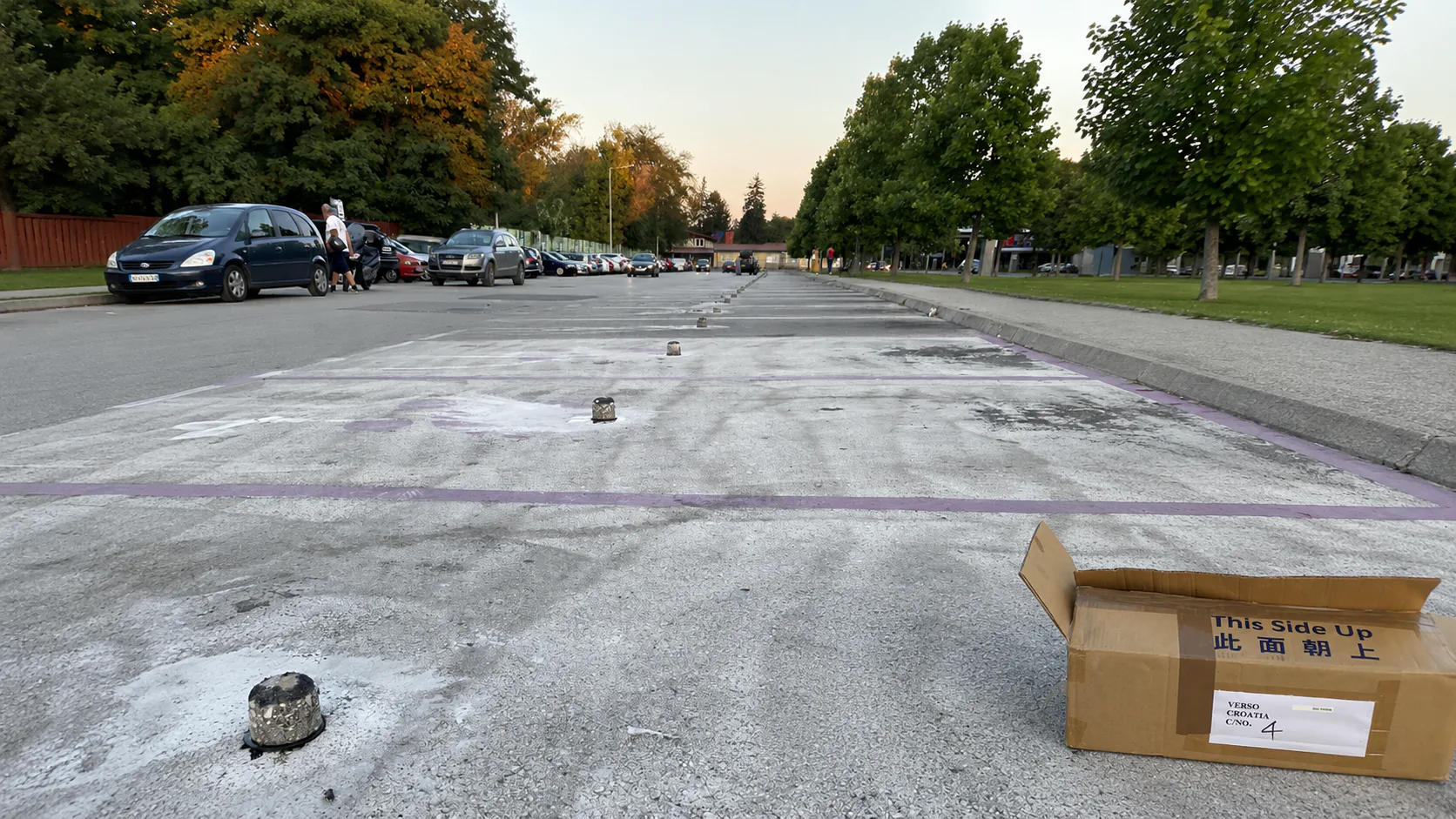
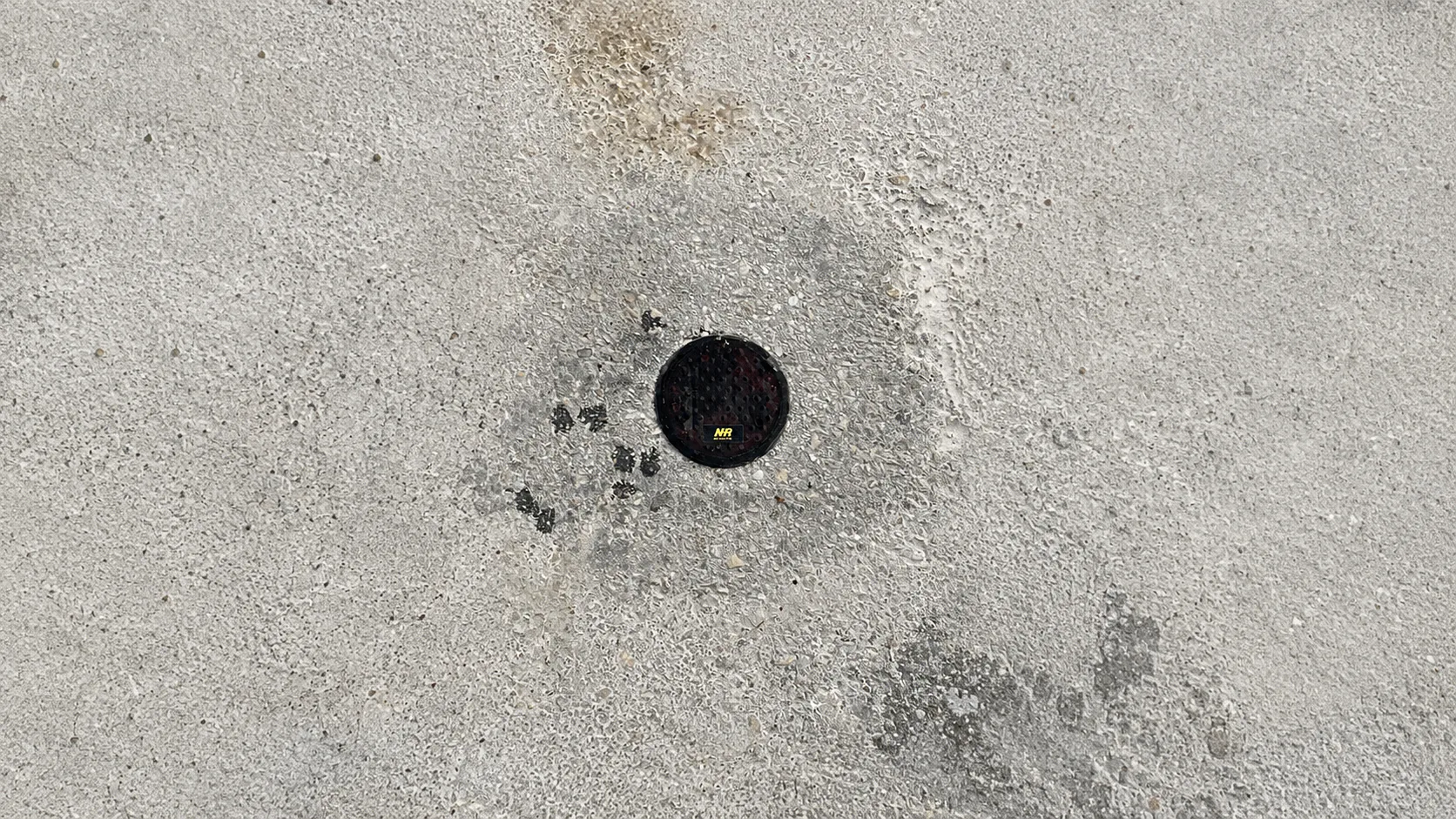
P02-LW in-ground parking sensors were embedded at selected on-street spaces to detect occupancy, transmitting status to a central platform over LoRaWAN without running cable to every individual bay.
The platform feeds that live data to city systems and driver-facing digital channels, helping drivers find open spaces faster while giving operators a consolidated view of curbside usage. The LoRaWAN architecture avoids heavy cabling work, leaving room to expand coverage flexibly.
Value
Wiring Savings Became Room to Expand
Each on-street space now reports its own status continuously, feeding directly into the city's live data instead of waiting for someone to walk past and check. Drivers cut circling and search time using more current availability information, making short trips and errands noticeably smoother.
Operators gained a clearer view of occupancy, hot spots, and where service could improve. The wiring budget saved becomes room to expand: other cities can follow the same path — build reliable space-level visibility first, then extend it into guidance, utilization analysis, and broader smart mobility services.
Next Step
Share the road segments under consideration and their construction constraints to compare which wiring and excavation steps a LoRaWAN architecture may be able to avoid.
Explore Solutions / Talk to an Expert
Image Gallery
Notes
- Every site is different; deployment plans and outcomes should be assessed by qualified professionals against actual site conditions.