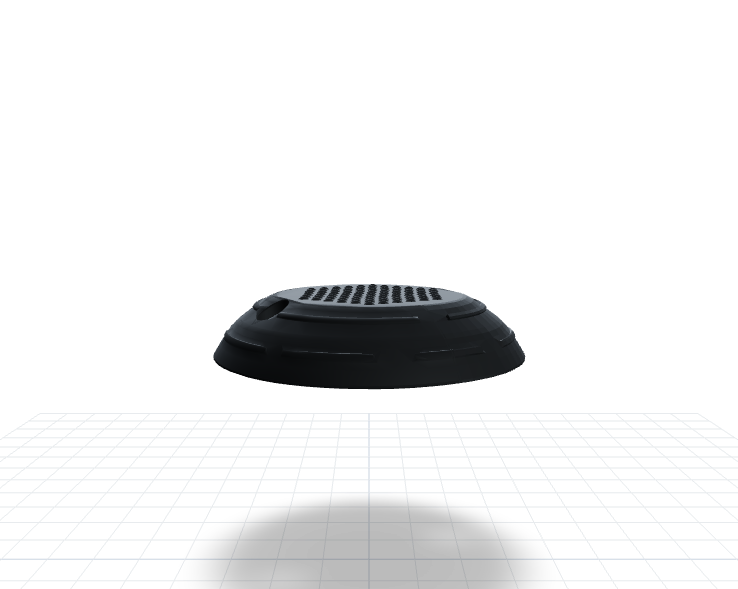
Full Street or Invisible Bays? Real-Time Parking Information in Bulgaria
Often the street isn't full—open bays just can't be seen. P01-NW reports occupancy in real time so drivers find bays and operators understand turnover.

Project Profile
- Region: Bulgaria
- Category: City
- Products: P01-NW
Operational Value
- 100% — Deployed on-street bay visibility (Deployment scope)
- Operational objective — Shorter search-circling time (not a measured project outcome)
- Real-Time — Synchronized space-status updates (Platform and field consistency)
Case Snapshot
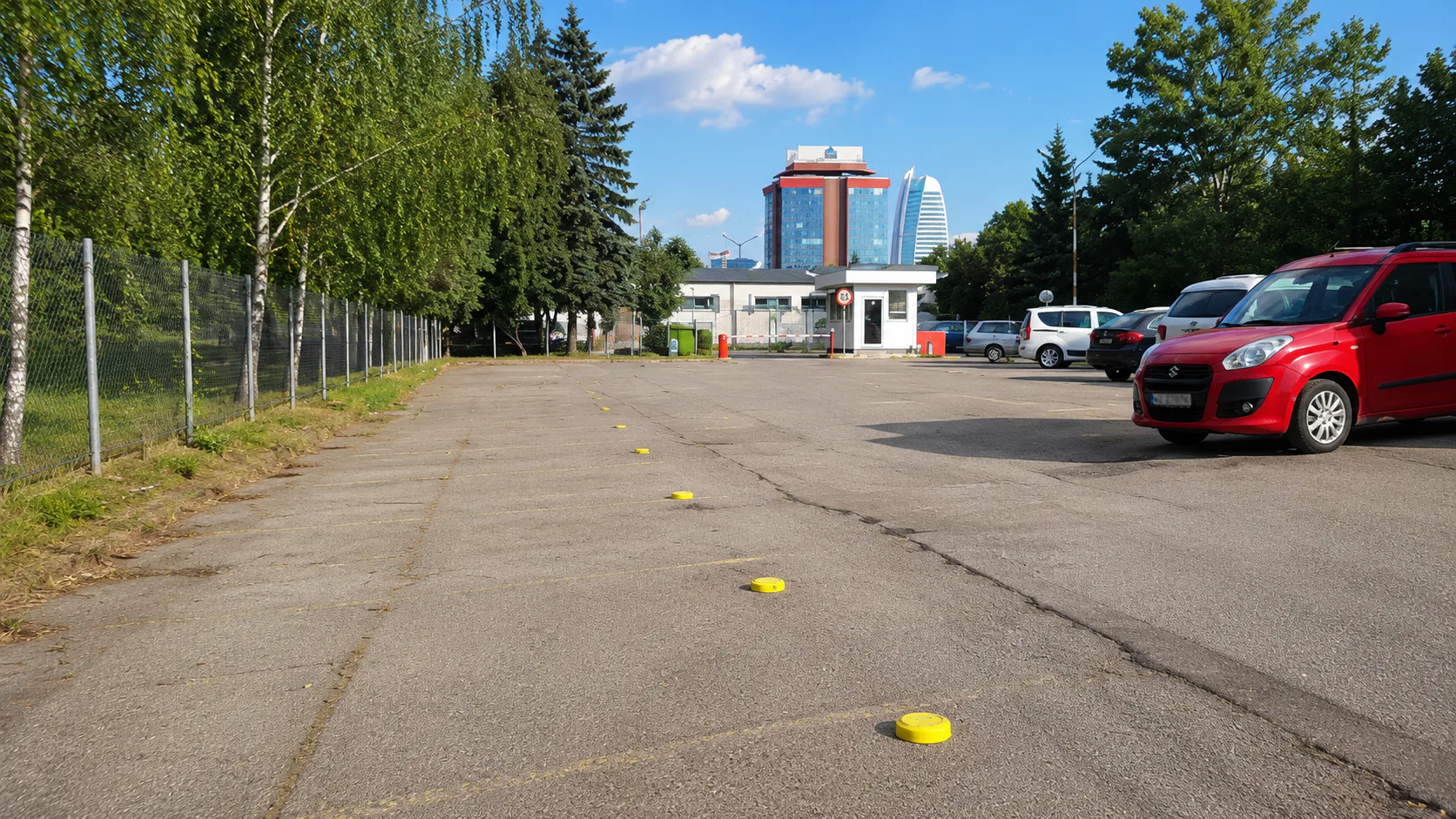
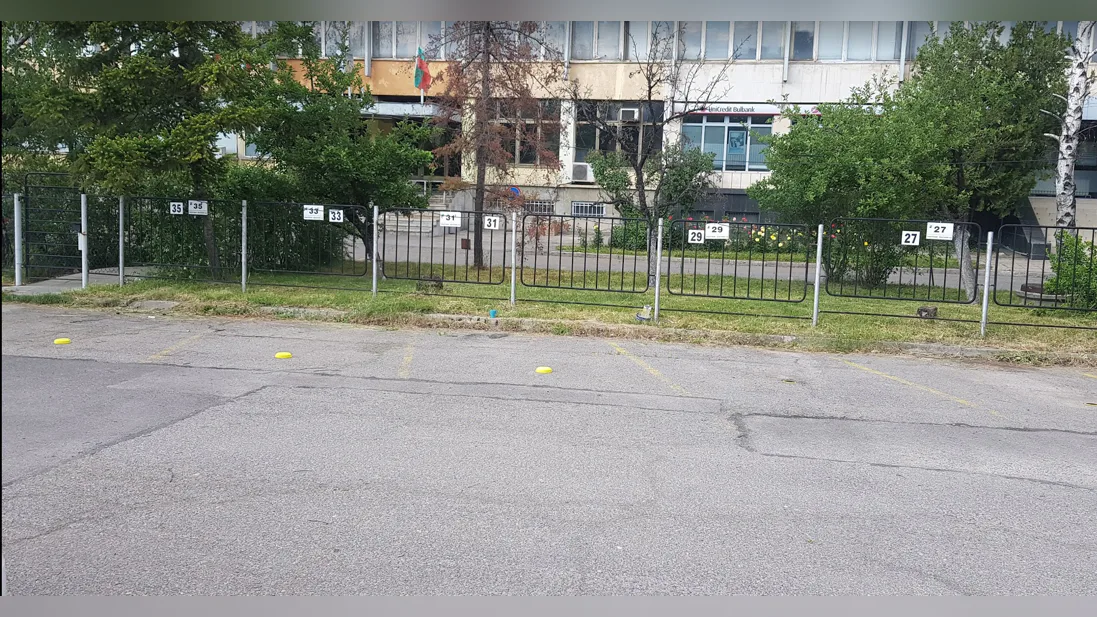
On a busy urban corridor in Bulgaria, finding an on-street space often meant circling and guesswork, especially during peak hours. The operator installed P01-NW parking sensors at curbside spaces, riding the city's existing NB-IoT coverage to report occupancy in real time — giving drivers and the back end a shared, current read on where space is actually open.
Problem
Is the Street Really Full, or Just Invisible?
In dense urban corridors, the real question is whether drivers can see availability before they enter the block. When occupancy isn't visible in real time, drivers circle the same blocks repeatedly, slow down in crowded stretches, or rely on guesswork about which corner might have better odds.
That blind searching stacks on top of existing traffic, making an already congested corridor harder to clear. Operators face the same visibility gap: without live data, it's hard to read occupancy or turnover, and the next round of signal timing or bay-expansion budget often gets decided on impression rather than evidence.
Solution
Space Data Reaches the Driver's Screen First
P01-NW on-street parking sensors were installed across instrumented curbside spaces to detect occupancy, sending status continuously to a central parking platform over NB-IoT in place of periodic manual checks. Because NB-IoT rides the telecom carrier's existing base stations, there was no LoRaWAN gateway to install or new spectrum to apply for, so the deployment was stable from an early stage.
The platform relays that status as real-time availability, shared with drivers and operators through digital channels, so curbside spaces carry continuously updated occupancy and turnover data instead of sitting as a row of painted lines.
Value
One Fewer Loop, Numbers That Add Up
Drivers stop circling the same block hoping for an opening — a glance at a phone tells them where to go, and the guesswork drops. Operators, in turn, get a much clearer picture of occupancy, turnover, and usage trends.
That data supports better curbside allocation, ongoing monitoring, and policy planning grounded in actual behavior — giving signal-timing or bay-expansion decisions something firmer to stand on than a planner's impression.
Next Step
Where NB-IoT coverage already exists, start with one representative road segment to confirm network and sensing fit before deciding whether a wider rollout is warranted.
Explore Solutions / Talk to an Expert
Image Gallery
Notes
- Every site is different; deployment plans and outcomes should be assessed by qualified professionals against actual site conditions.
*Illustrative image