Field-proven NHR IoT deployments across smart cities, agriculture, logistics, energy, and industrial infrastructure.
A full district round can still miss what needs work. Parking, bin and drainage status on one platform lets teams check data first and plan rounds.
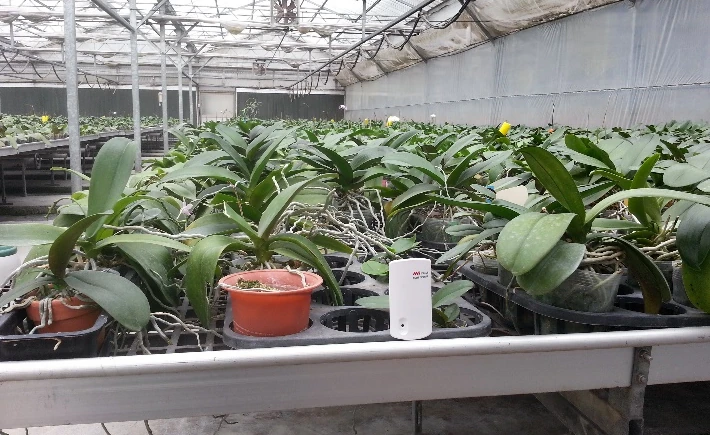
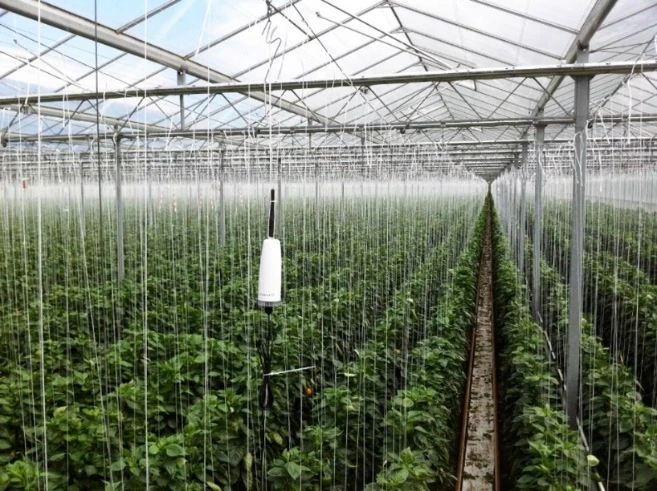
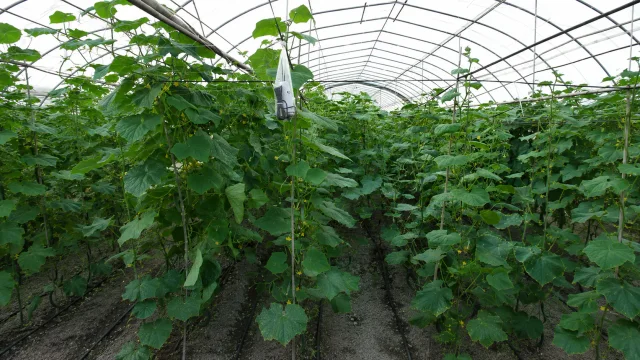
Scattered greenhouses meant site visits, manual readings and re-entry. NB-IoT sends temperature and humidity automatically, so teams see which site needs a visit first.
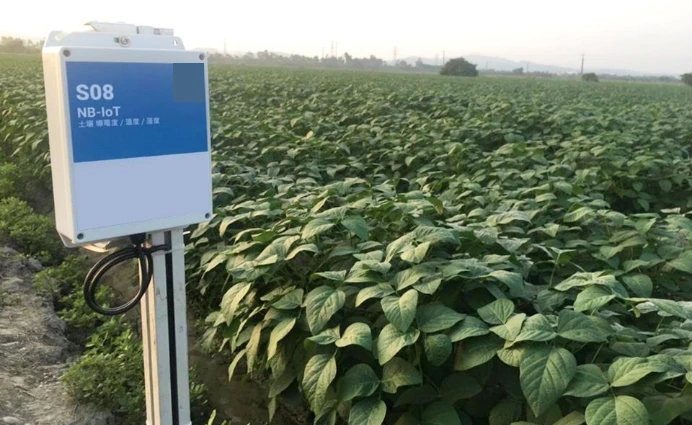
Soil, weather and aquaculture water-temperature data sat apart, leaving irrigation calls to experience. Bringing every site's readings together lets fieldwork follow actual data.
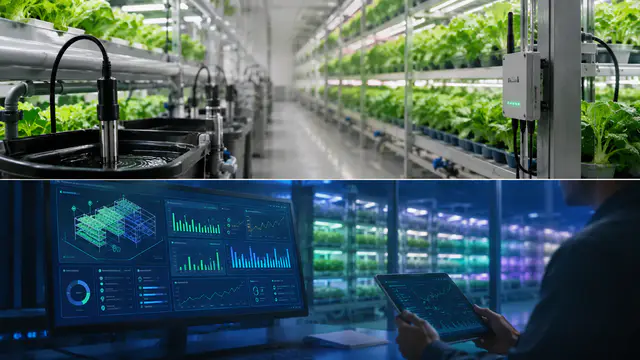
The tighter the stacked farm, the less room for nutrient drift. Wireless monitoring gathers nutrient concentration, pH, dissolved oxygen and level so growers adjust early with fewer rack walks.
Protection systems were installed, but whether they held in frost or heat was guesswork. S09 with external temperature sensors keeps a continuous record to review performance.
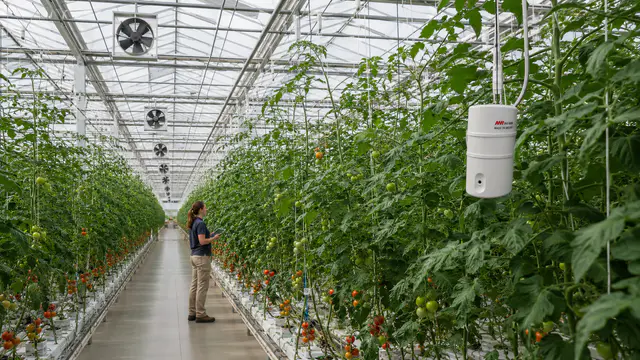
A normal reading at a few points doesn't mean the whole greenhouse is fine. Distributed sensing reveals local hot and cold spots before uneven crops do.
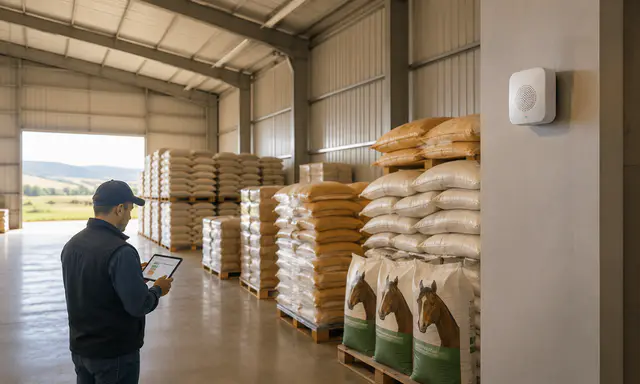
Once feed moulds, the whole batch is often lost—and it's visible too late. Temperature and humidity monitoring with central alerts flags storage changes before the next round.
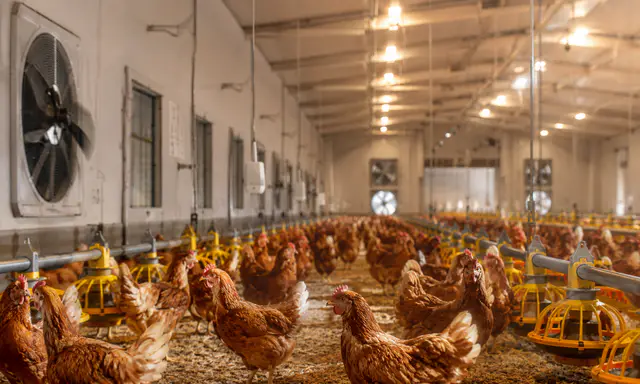
Young chicks tolerate only a narrow temperature range, and the flock often reacts before a patrol does. S09 with external sensors tracks every house and sends a notice when conditions drift.
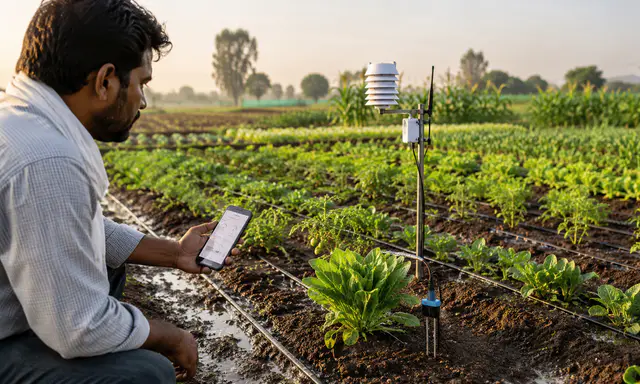
Scattered plots each have their own conditions, and checking them one by one is slow. S09 gathers soil and environmental readings so irrigation and field checks use current data.
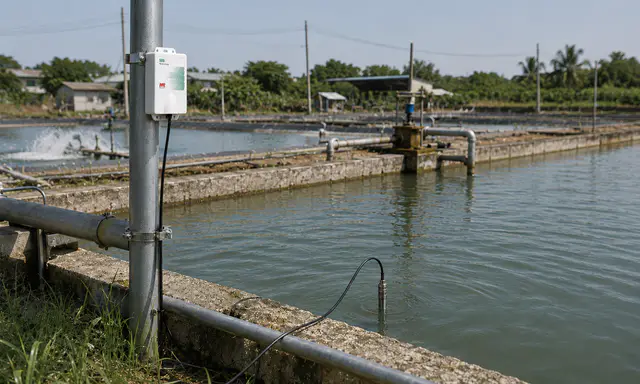
A cold snap can change pond temperatures faster than manual checks. External sensing with S09 logs continuously, prompting earlier checks and supporting insurance discussions.
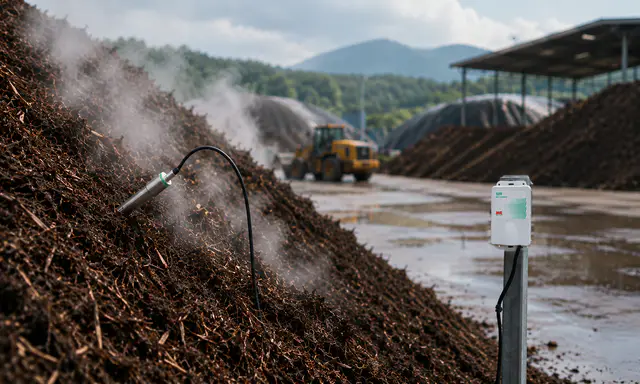
Heat deep in a compost pile can't be seen, and spot checks miss most depths. S09 with external probes logs temperatures at several depths to guide turning and process changes.
Root-zone moisture and salinity change out of sight, leaving irrigation and fertilizing to experience. Continuous soil temperature, moisture and EC data guides irrigation reviews and sampling.