Smart Feed Storage Monitoring for Grain Quality Protection in Chile
Once feed moulds, the whole batch is often lost—and it's visible too late. Temperature and humidity monitoring with central alerts flags storage changes before the next round.
Project Profile
- Region: Chile
- Category: Agriculture
- Products: S09
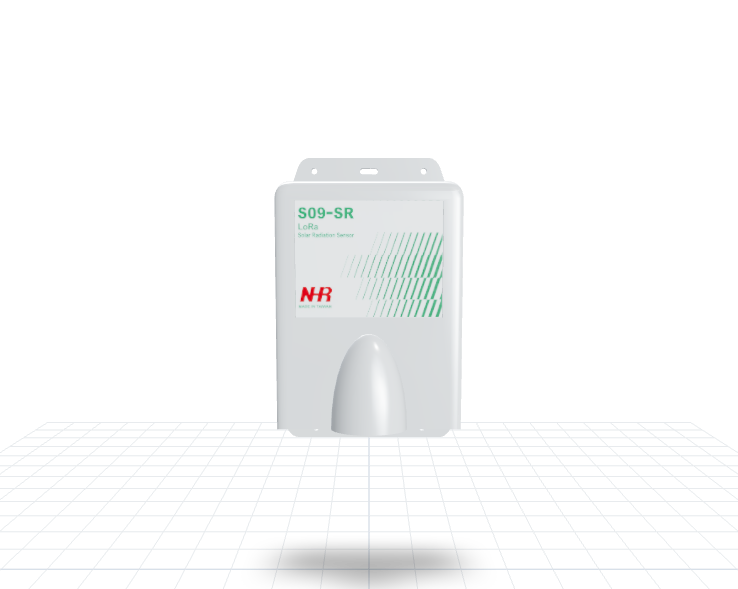
S09 transmits sensor data; the measurement parameters described here are provided by the connected external sensors.
Operational Value
- 24/7 — Temperature and humidity visibility across storage zones (Continuous monitoring)
- Operational objective — Fewer manual warehouse inspections (not a measured project outcome)
- Early Alerts — Moisture and mold risk caught earlier (Quality protection)
Case Snapshot
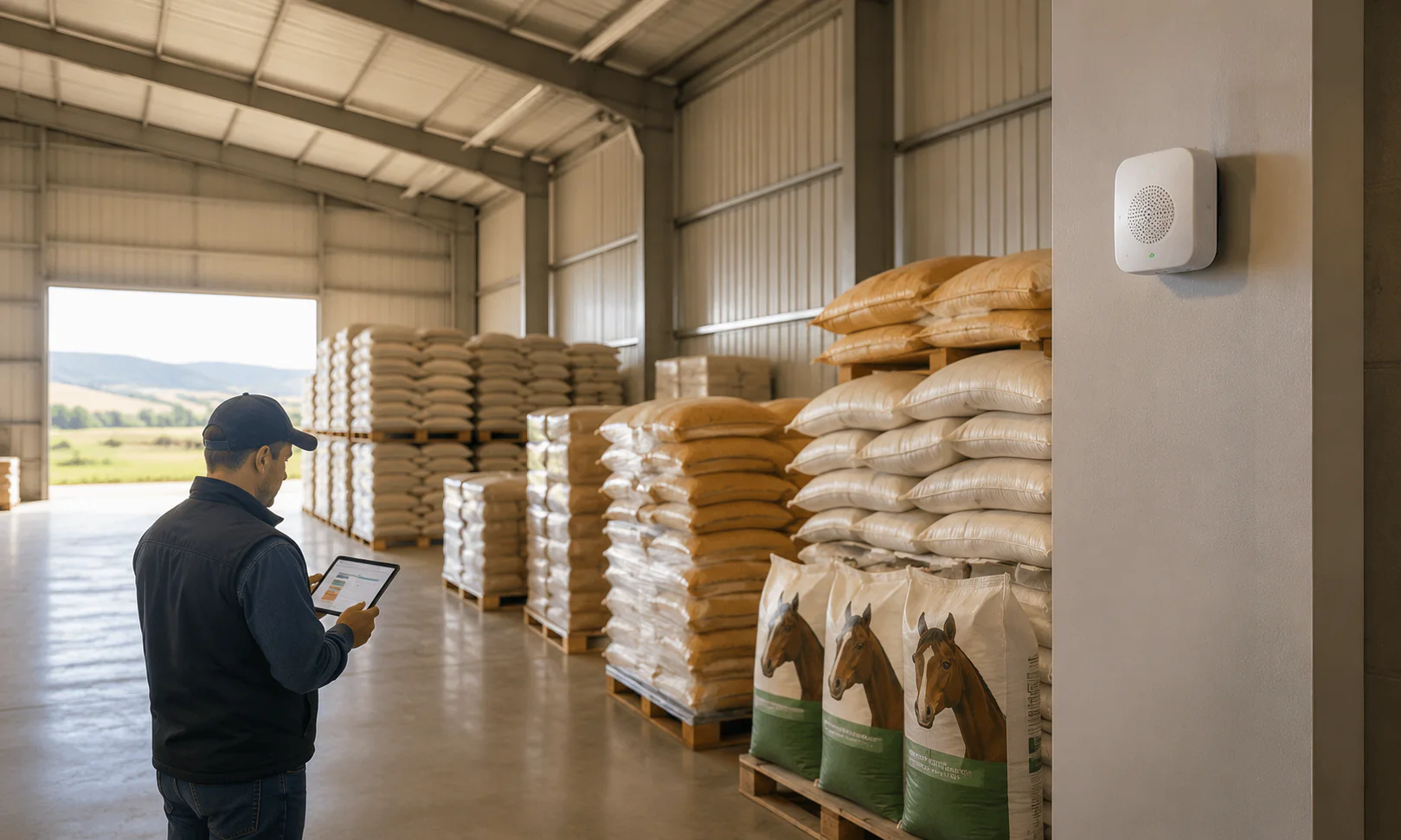
By the time moisture damage in feed becomes visible, quality has usually slipped. For an equine feed and grain storage operator in Chile, warehouses were spread out and conditions were hard to track in time, leaving moisture, mold, toxin risk, and nutrient loss free to develop unnoticed. S09 transmitters connected to external temperature and humidity sensors paired with LoRaWAN now keep storage zones under continuous watch and trigger alerts early, so feed preservation doesn't wait for a problem to surface.
Problem
Humidity Damages Nutrition Before It's Visible
Equine feed and grain storage is highly sensitive to temperature and humidity swings. Once humidity crosses a safe threshold, the risk of mold growth, toxin formation, and nutrient decline climbs quickly. Mold rarely stays confined to the damp section — once confirmed, the whole batch usually has to be pulled, and if tainted feed already reached the stalls, the stakes go beyond inventory loss to horse health.
Relying on periodic manual rounds leaves teams exposed to how spread out warehouses are, how often checks happen, and how much staff time is available. None of that supports stepping in the moment an anomaly starts — more often, the next scheduled round arrives after the damage has already spread quietly.
Solution
Coverage Doesn't Care Where the Warehouse Sits
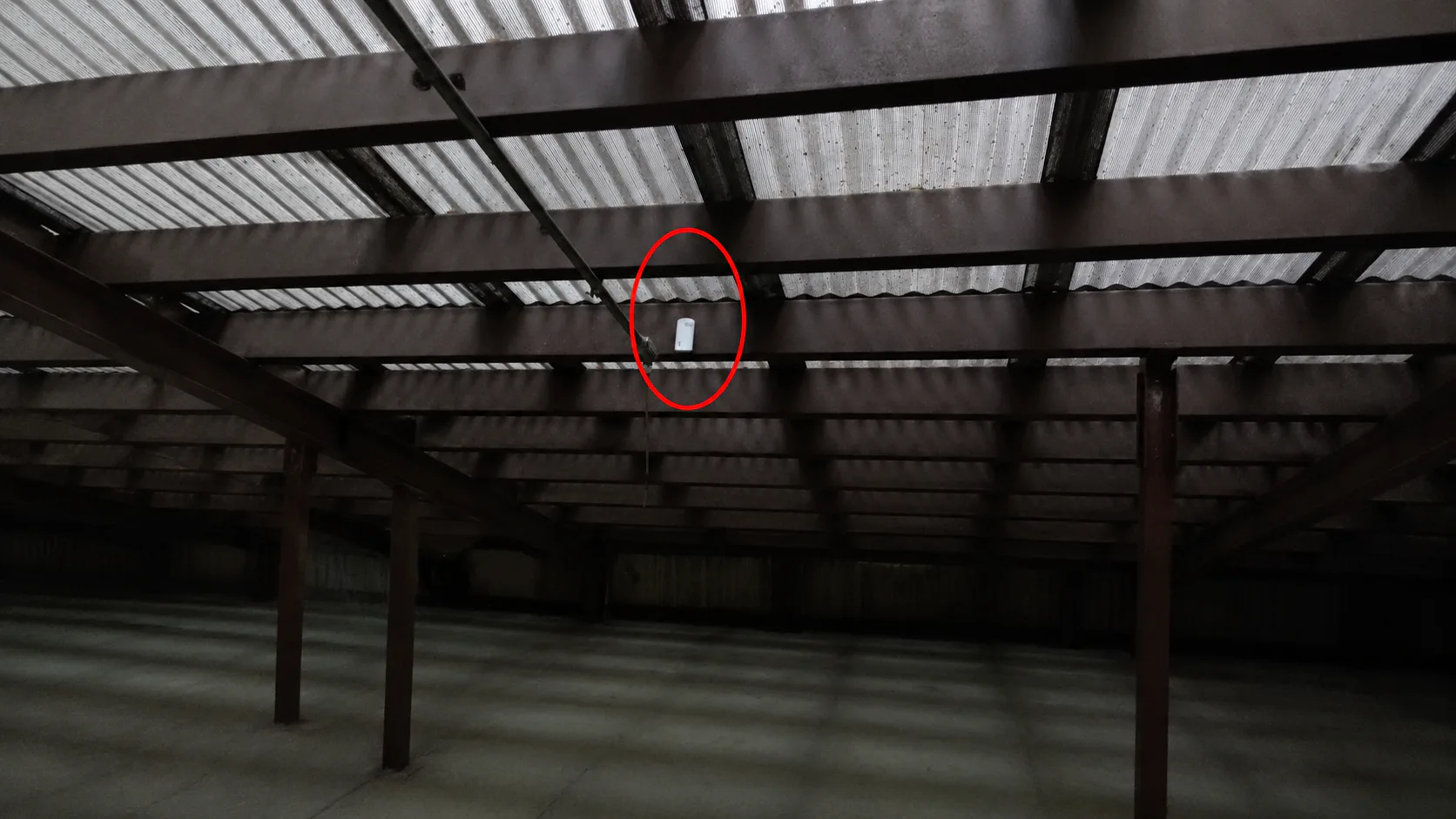
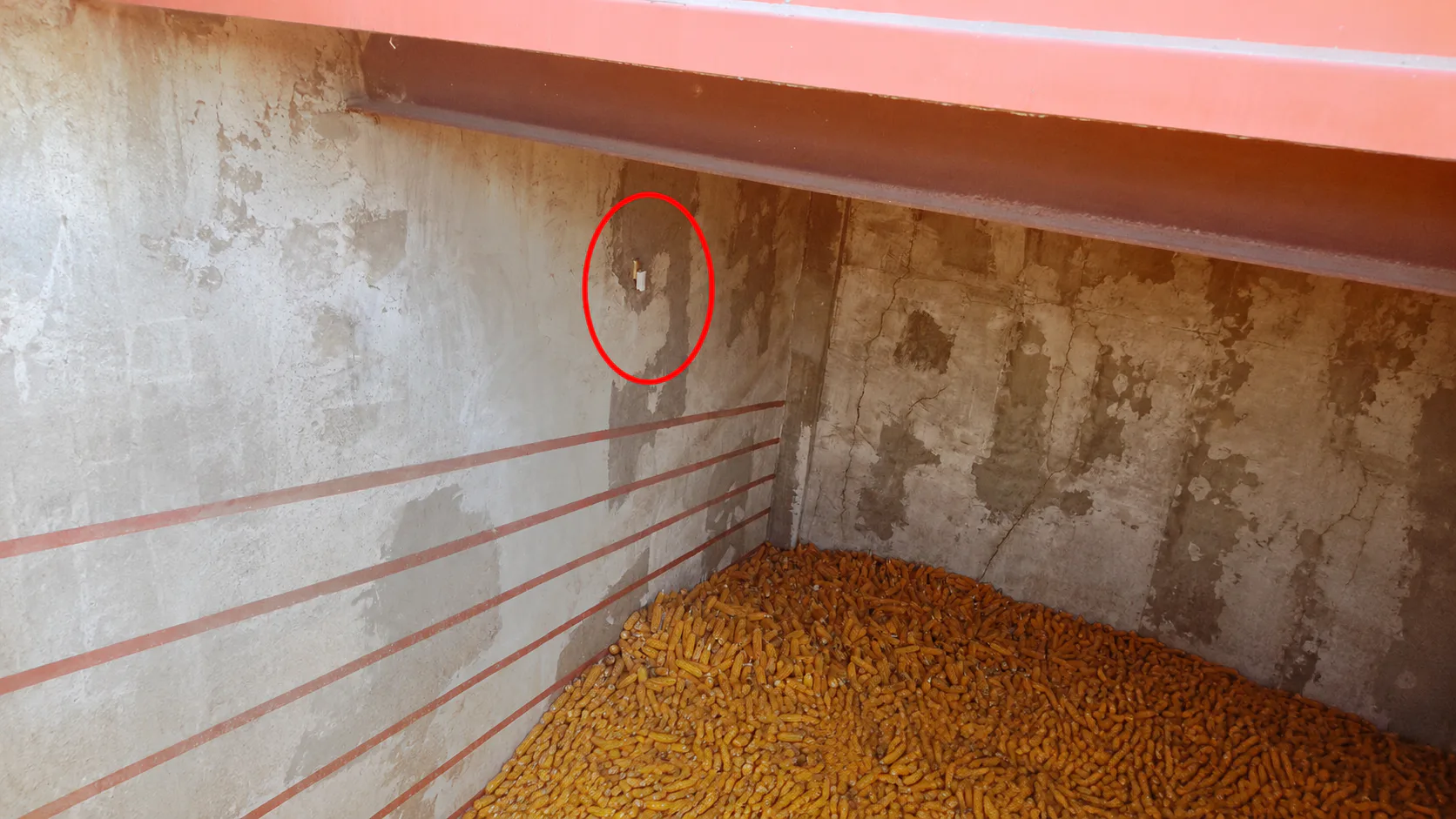
What usually stalls a monitoring plan for feed storage has less to do with whether to add sensors, and more to do with warehouses sitting scattered across the site, where a walking patrol always ends up deprioritizing a few of them. This operation paired sensors connected to S09 with LoRaWAN's long-range wireless link, so signal reach no longer depends on how far a patrol route can walk. Coverage stays just as immediate no matter which corner of the site a warehouse occupies.
When temperature or humidity crosses a preset safe threshold, the system raises an alert right away, and managers can decide whether to ventilate, dehumidify, or restack without waiting for the next scheduled round to confirm there's a problem.
Value
Protection Now Starts Before the Damage Does
Whether to ventilate or dehumidify is now a call managers make from a steady stream of readings, not a guess based on the last patrol. Unnecessary manual rounds drop, and the risk that a problem goes unnoticed until losses have already built up drops with them.
Warehouse rounds used to run on a fixed schedule; now staff walk in only after the system raises an alert.
Next Step
Provide the storage layout, feed-handling process, and current measurement locations to identify the zones that most need continuous temperature and humidity monitoring.
Explore Solutions / Talk to an Expert
Image Gallery
Notes
- Every site is different; deployment plans and outcomes should be assessed by qualified professionals against actual site conditions.
*Illustrative image