Smart Aquaculture Temperature Monitoring in Taiwan
A cold snap can change pond temperatures faster than manual checks. External sensing with S09 logs continuously, prompting earlier checks and supporting insurance discussions.
Project Profile
- Region: Taiwan
- Category: Agriculture
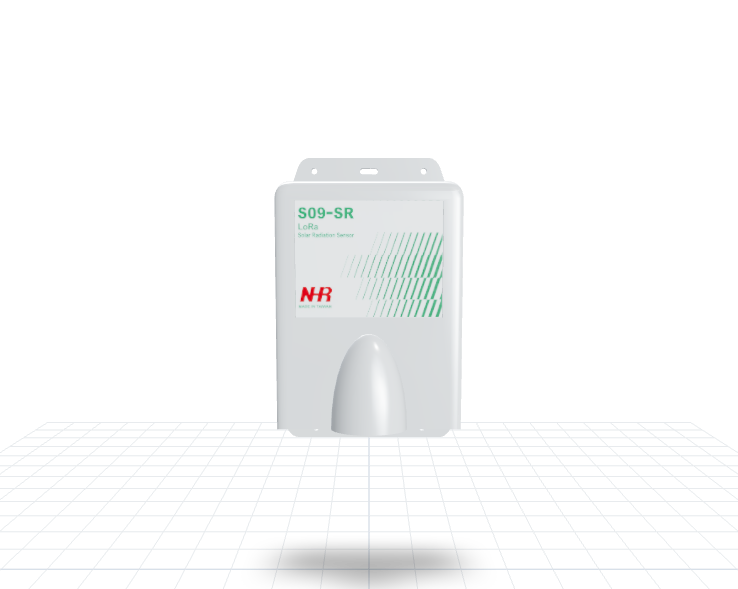
- Products: S09
S09 transmits sensor data; the measurement parameters described here are provided by the connected external sensors.
Operational Value
- 24/7 — Continuous pond-temperature records (Claim-verification support)
- Cold-Snap Periods — Real-time alerts for sudden temperature drops (High-risk window)
- Operational objective — Reduced manual pond patrols (not a measured project outcome)
Case Snapshot
Small shifts in pond-water temperature can decide how a shrimp crop survives the season. Cold fronts, rain, and day-night swings can send temperatures down fast, and manual rounds alone often miss the window for timely action. A Taiwan shrimp farm now uses external waterproof temperature sensors connected to S09 with continuous NB-IoT transmission, giving operators real-time visibility and a verifiable record they can use for risk management and insurance review.
Problem
Temperature Can Swing Faster Than Manual Checks Catch It
Shrimp farming is highly sensitive to water-temperature stability. When pond temperature drops suddenly, shrimp activity, feeding behavior, and survival risk can deteriorate within hours. If the change is only caught during a scheduled patrol, the best window for intervention may already have passed.
Beyond real-time response, farms also need a record that holds up under scrutiny. When a cold front or extreme event causes losses, operators must explain to partners or insurers exactly when the event happened, how far the temperature moved, and what action was taken — a case that is hard to rebuild from memory or scattered notes.
Solution
Every Degree Logged, From Pond Floor to Platform
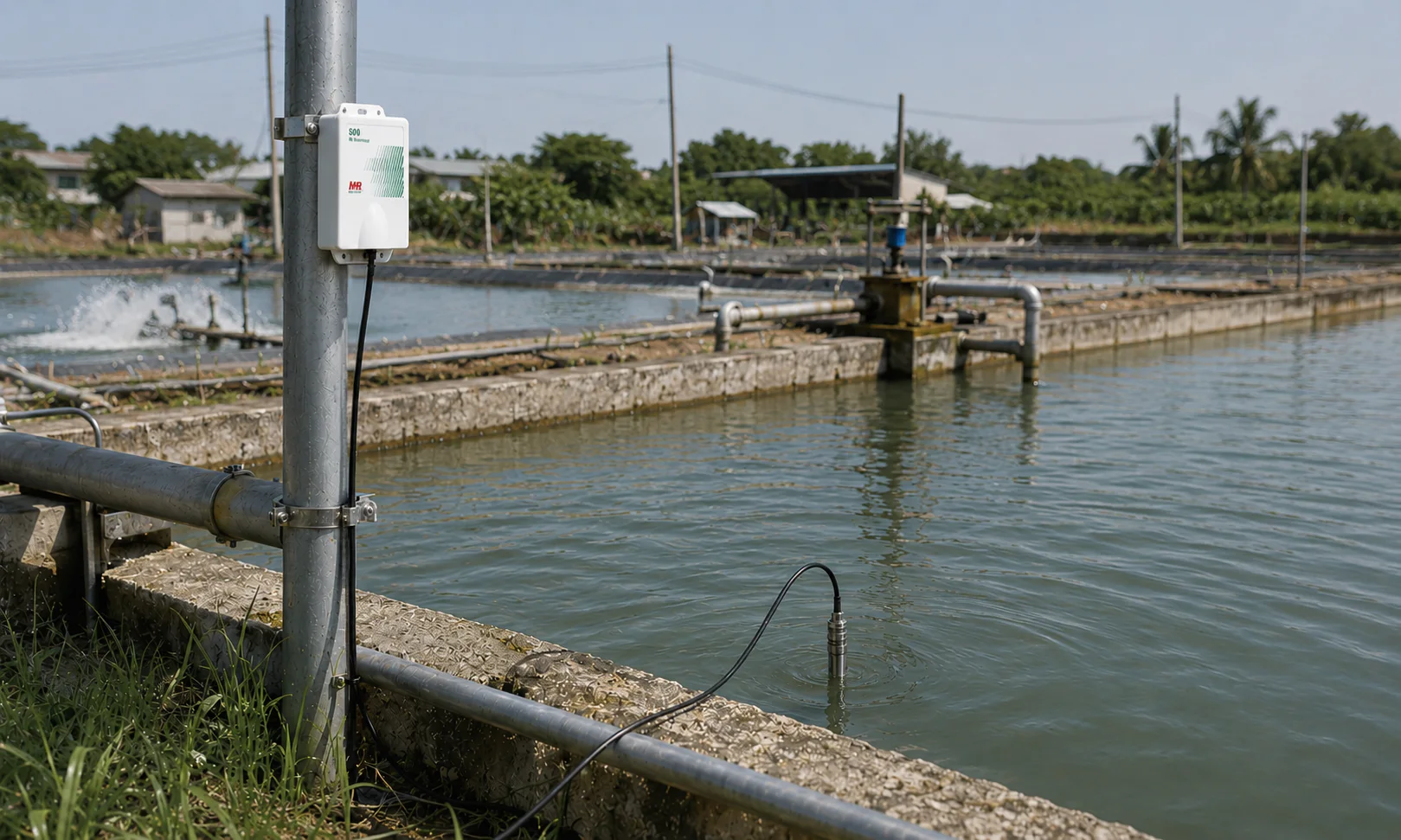
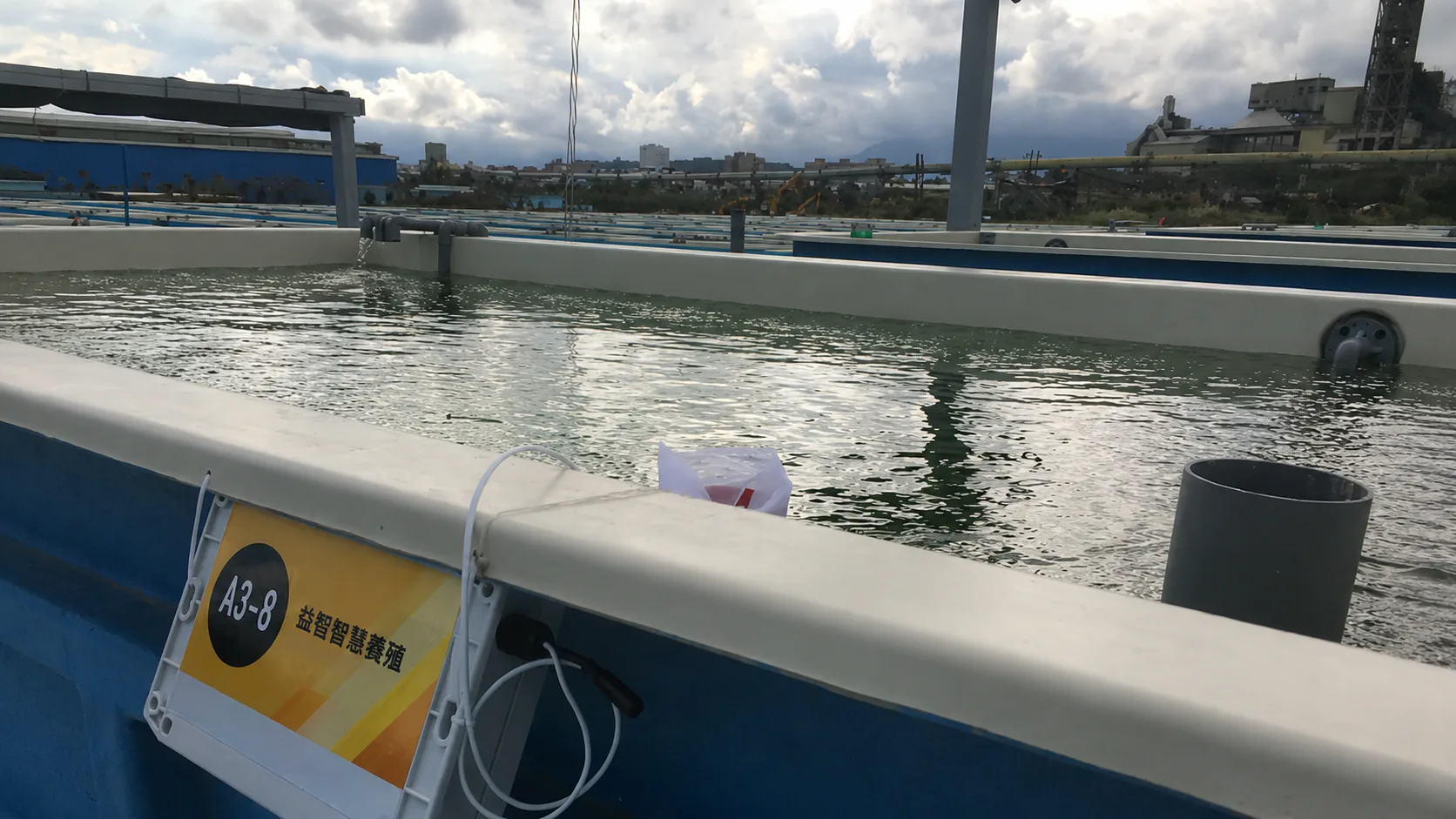
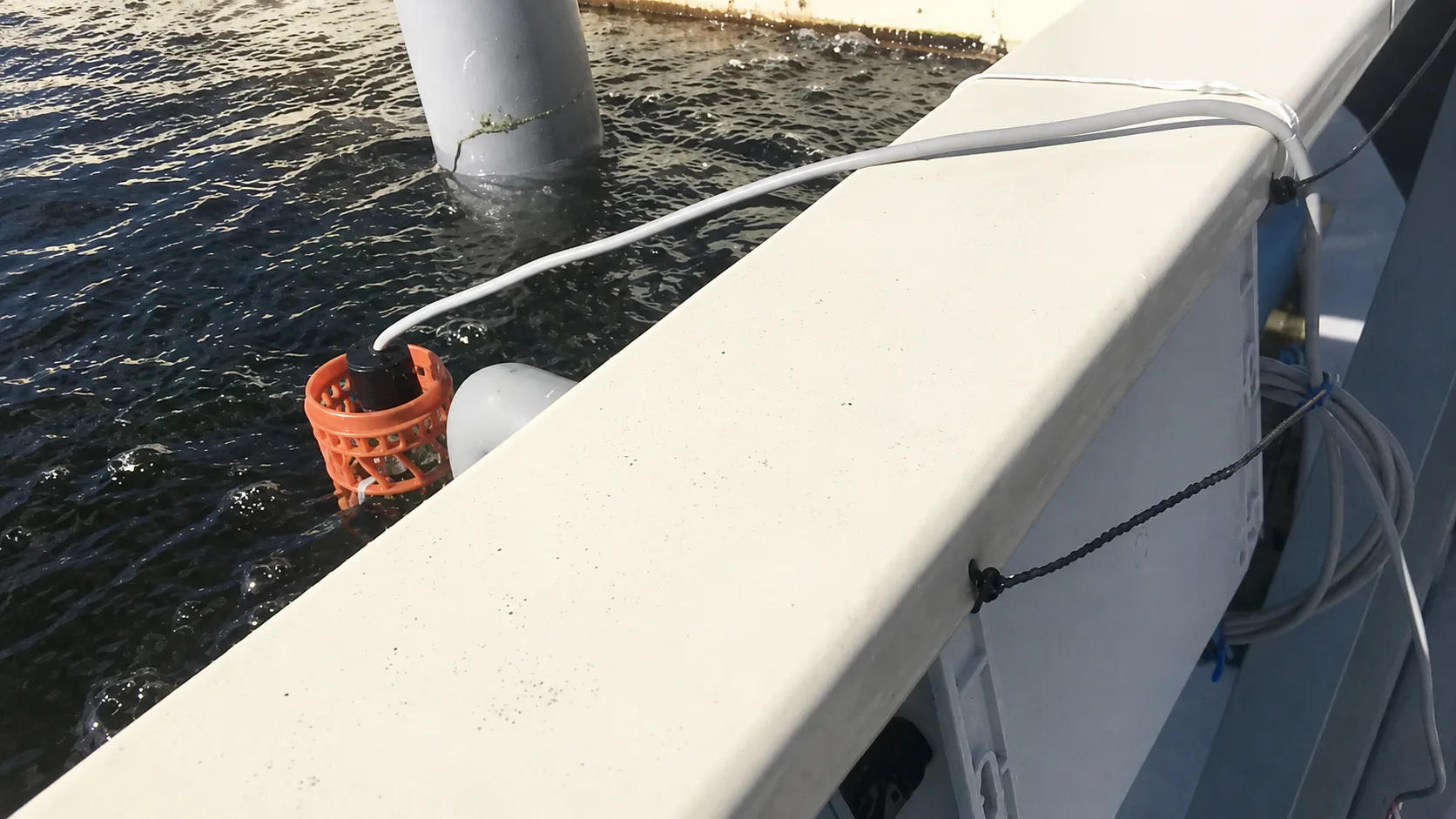
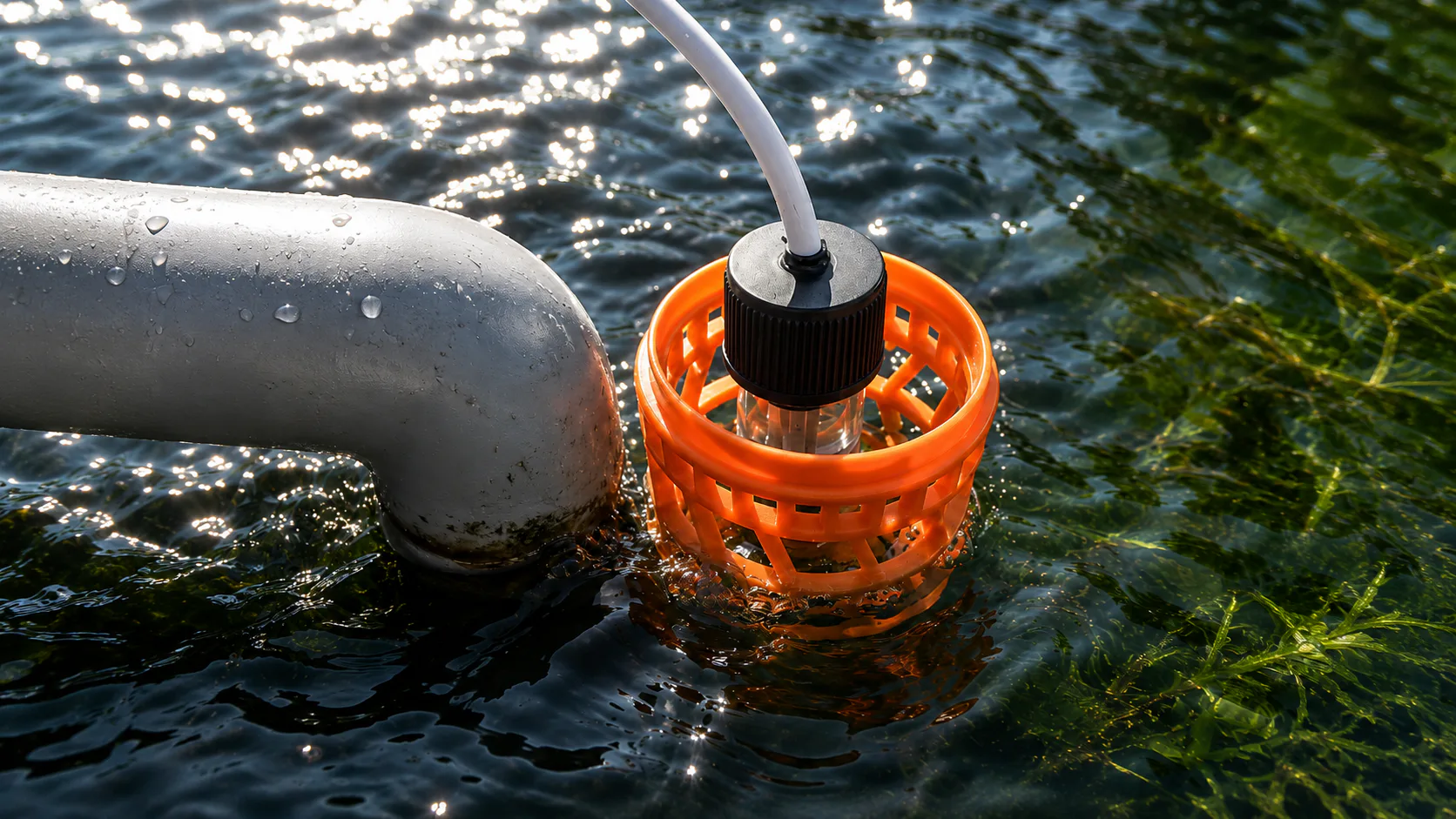
The farm installed S09 transmitters connected to external waterproof temperature sensors directly in the pond, fitted with protective covers to reduce damage from shrimp activity. Readings are transmitted continuously over NB-IoT to a remote platform, where trends are logged automatically and threshold alerts are generated without anyone needing to check the pond in person.
The setup keeps working regardless of weather or staffing — data keeps flowing even through a cold front or heavy rain. When temperature moves outside a safe range, operators can step in earlier, and the accumulated history is available whenever an insurer needs evidence of an extreme-temperature event.
Value
Records Become Evidence for Claims and Risk Decisions
When a cold front hits, farmers now have continuous data in hand rather than on-site judgment alone. They can decide faster whether to adjust aeration, exchange water, or take other action, reducing losses during cold-front periods.
For insurers and partners, systematic temperature records make event verification more consistent and reduce disputes during claims discussions. Continuous monitoring gives shrimp farming an added layer of traceable protection, alongside its existing risk-management practice.
Next Step
List the pond-temperature records an insurer typically asks for and compare them with the farm’s current process to determine where sensing and record frequency could strengthen traceability.
Explore Solutions / Talk to an Expert
Image Gallery
Notes
- Every site is different; deployment plans and outcomes should be assessed by qualified professionals against actual site conditions.