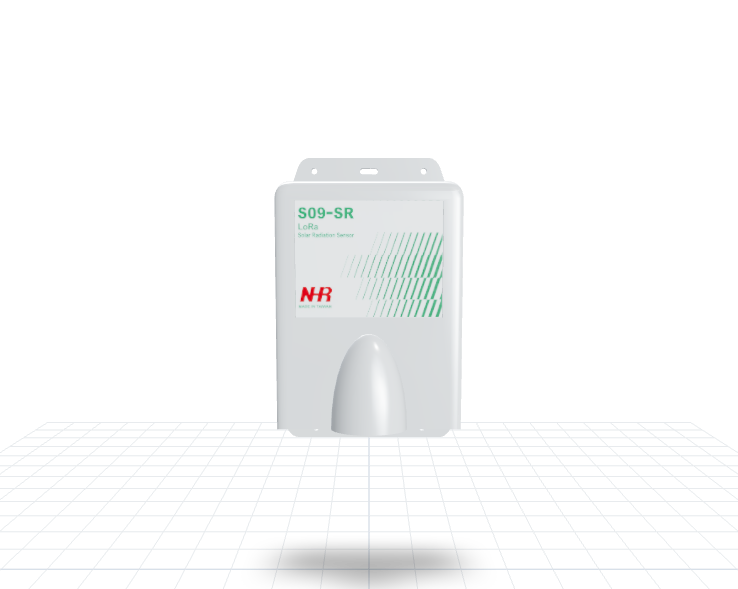
Smart Climate Validation: Stabilizing Tall-Rig Greenhouse Operations in the USA
Protection systems were installed, but whether they held in frost or heat was guesswork. S09 with external temperature sensors keeps a continuous record to review performance.
Project Profile
- Region: United States
- Category: Agriculture
- Products: S09
S09 transmits sensor data; the measurement parameters described here are provided by the connected external sensors.
Operational Value
- Operational objective — Fewer manual climate checks (not a measured project outcome)
- Real-Time Validation — Crop-protection temperature conditions (Frost and heat events)
- Operational objective — Faster microclimate response (not a measured project outcome)
Case Snapshot
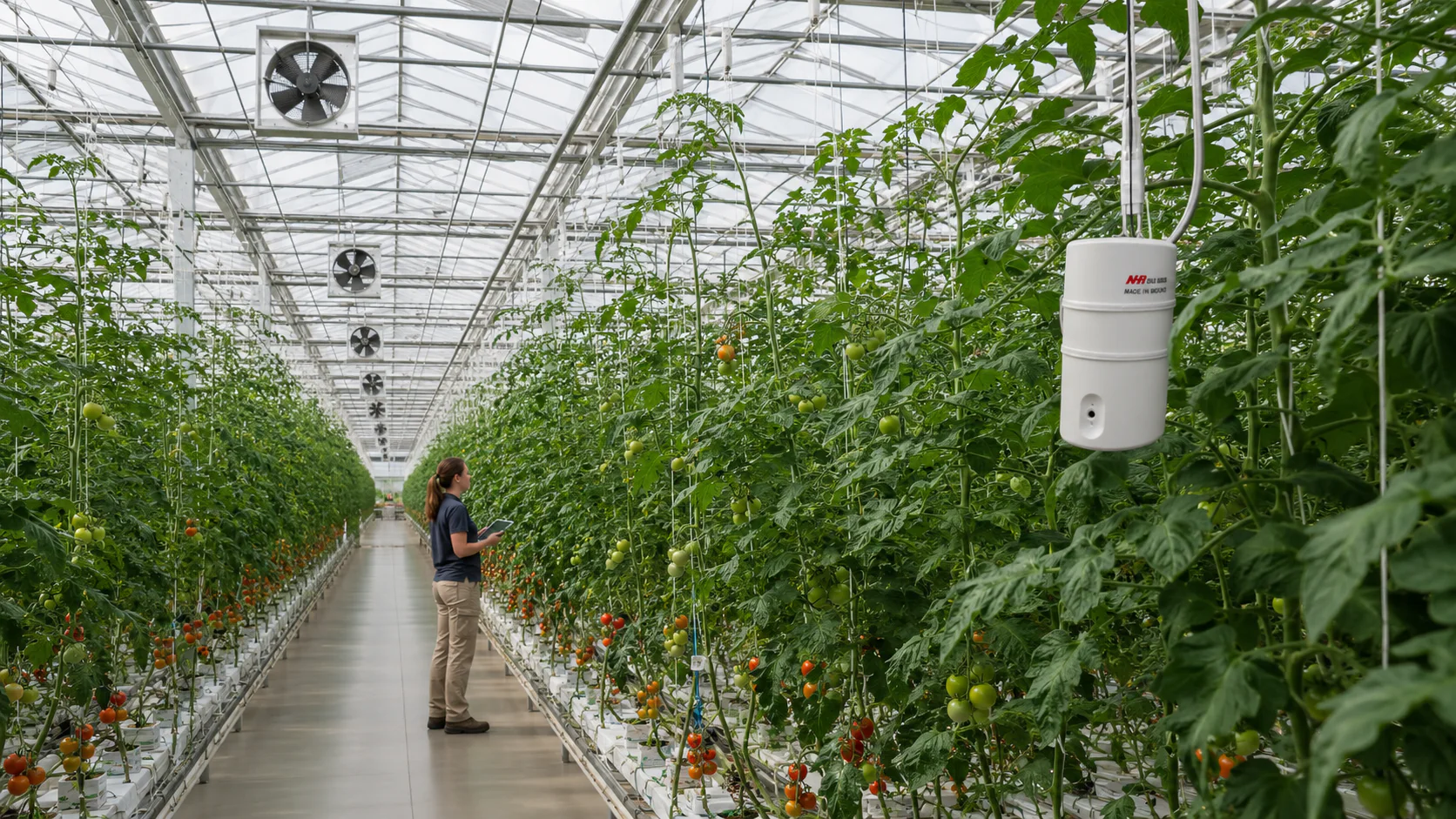
Installing a protection system is one thing; proving it holds up when frost or heat actually hits is another — that was the question facing a tall-rig greenhouse project in the USA. The team deployed S09 transmitters connected to external ambient temperature sensors and a LoRa wireless network to feed real-time temperature data into a monitoring platform, giving operators earlier visibility into microclimate shifts and a live basis for adjusting fans and shade rather than relying on periodic checks alone.
Problem
Installed Is Not the Same as Proven
For greenhouse builders and growers, finishing installation is only the first step — a protection system proves its worth only when frost or extreme heat actually arrives. Without continuous monitoring, on-site staff have no reliable way to confirm in the moment whether the greenhouse is approaching a critical temperature. Fan, shade, and cover adjustments end up riding on experience and manual rounds instead.
When response time lags behind the temperature curve, crops are often already under stress before anyone intervenes. What follows is quality loss, yield instability, and sometimes delivery delays — costs that typically surface only after the damage is done.
Solution
Fans Respond to the Trend, Not the Clock
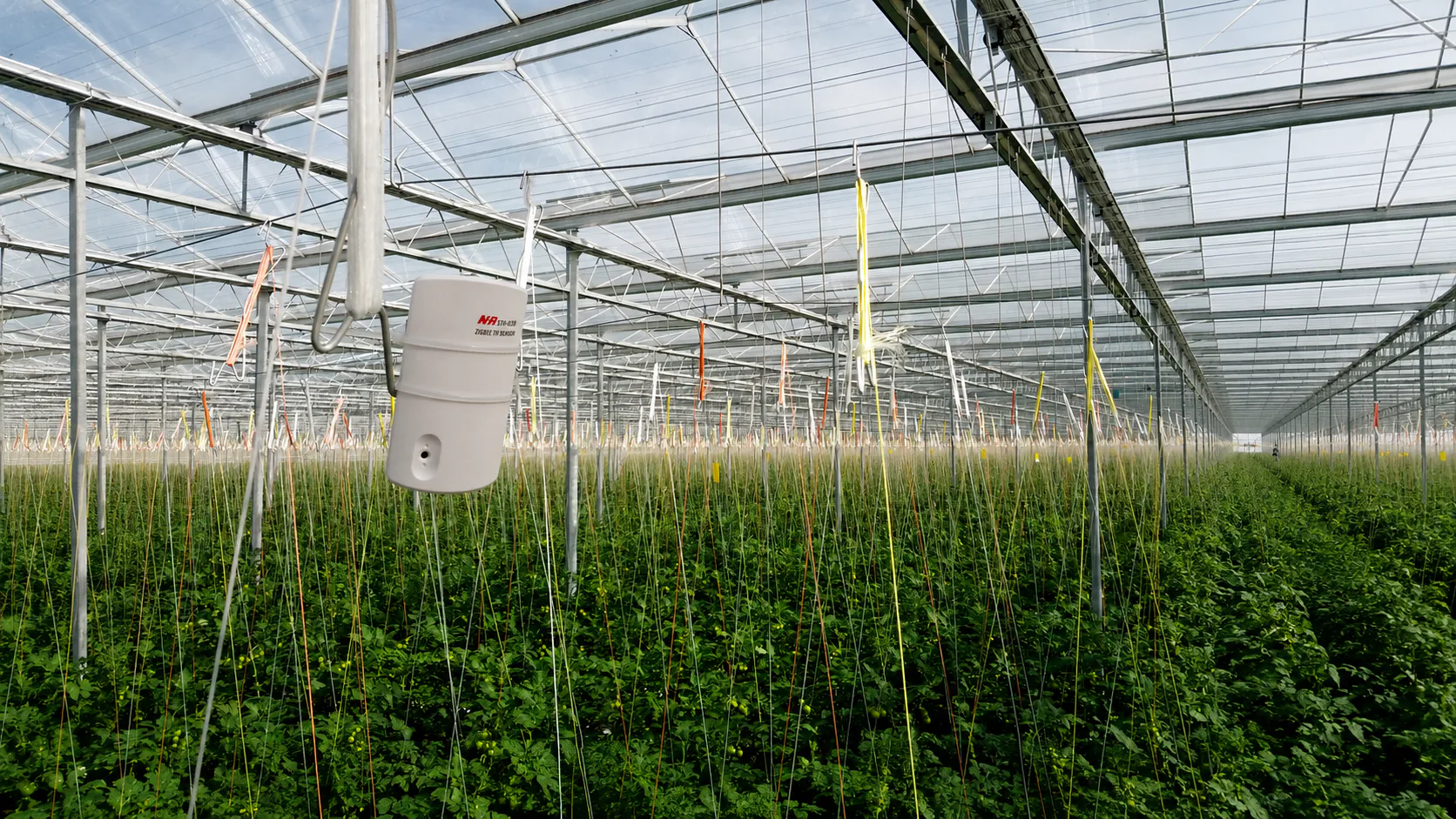
S09 transmitters connected to external ambient temperature sensors were integrated throughout the tall-rig greenhouse to continuously measure indoor temperature, with readings relayed over a LoRa wireless network to a monitoring system.
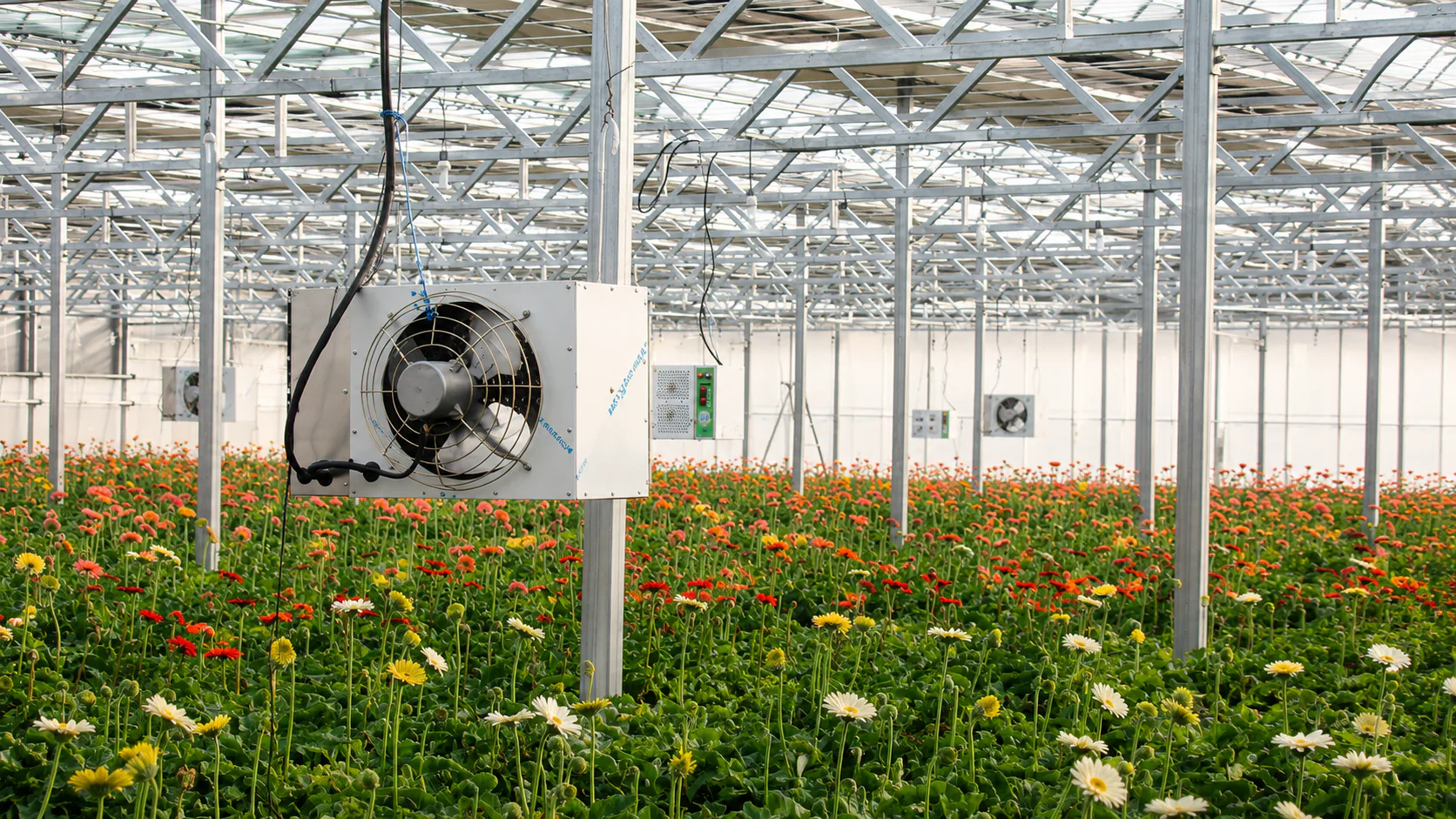
Operators read live temperature trends to judge whether the protection system is holding within a safe range, and as readings approach frost or overheating thresholds, they can trigger fans, adjust shading, and schedule a targeted field check in the same motion. Instead of relying on inspection rounds at fixed times, the setup keeps microclimate conditions recorded and visualized continuously, giving every adjustment a documented basis.
Value
Protection Performance Finally Has a Record
When frost or extreme heat actually hits, the builder and growers can now validate protection performance against real data instead of waiting to find out — manual checking needs have eased, and adjustments start before conditions drift far from the ideal range.
The next time frost or a heat wave hits, a builder has more than a promise to point to — there's a temperature record to pull up. With climate conditions tracked continuously, teams find it easier to hold yield steady, cut weather-related losses, and carry a repeatable smart-greenhouse model into the next site.
Next Step
Share the greenhouse handover criteria and current verification method to identify which environmental readings could strengthen the acceptance record for the protection system.
Explore Solutions / Talk to an Expert
Image Gallery
Notes
- Every site is different; deployment plans and outcomes should be assessed by qualified professionals against actual site conditions.
*Lead image and some supporting images are illustrative