Smart Climate Monitoring: Stabilizing Poultry Farm Operations in Chile
Young chicks tolerate only a narrow temperature range, and the flock often reacts before a patrol does. S09 with external sensors tracks every house and sends a notice when conditions drift.
Project Profile
- Region: Chile
- Category: Agriculture
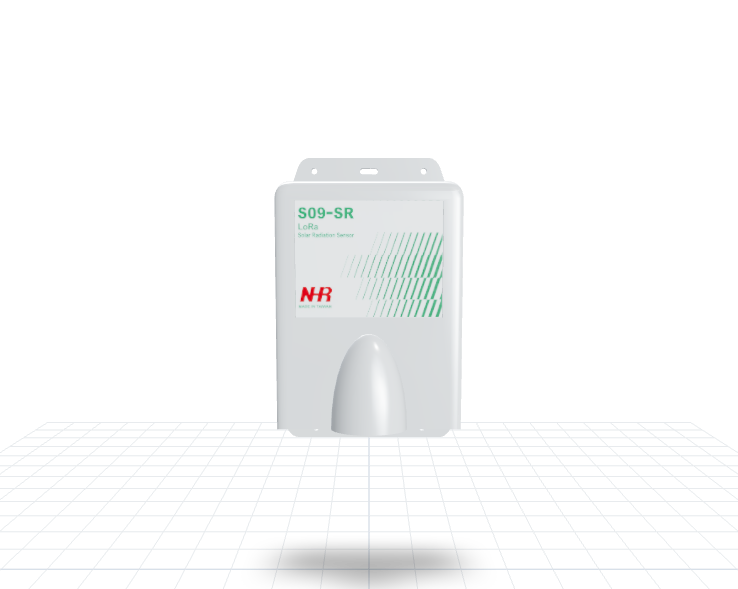
- Products: S09
S09 transmits sensor data; the measurement parameters described here are provided by the connected external sensors.
Operational Value
- Operational objective — Faster response to climate anomalies (not a measured project outcome)
- Real-Time Alerts — Temperature and humidity deviation monitoring (Cross-house visibility)
- Operational objective — Less reliance on manual environmental checks (not a measured project outcome)
Case Snapshot
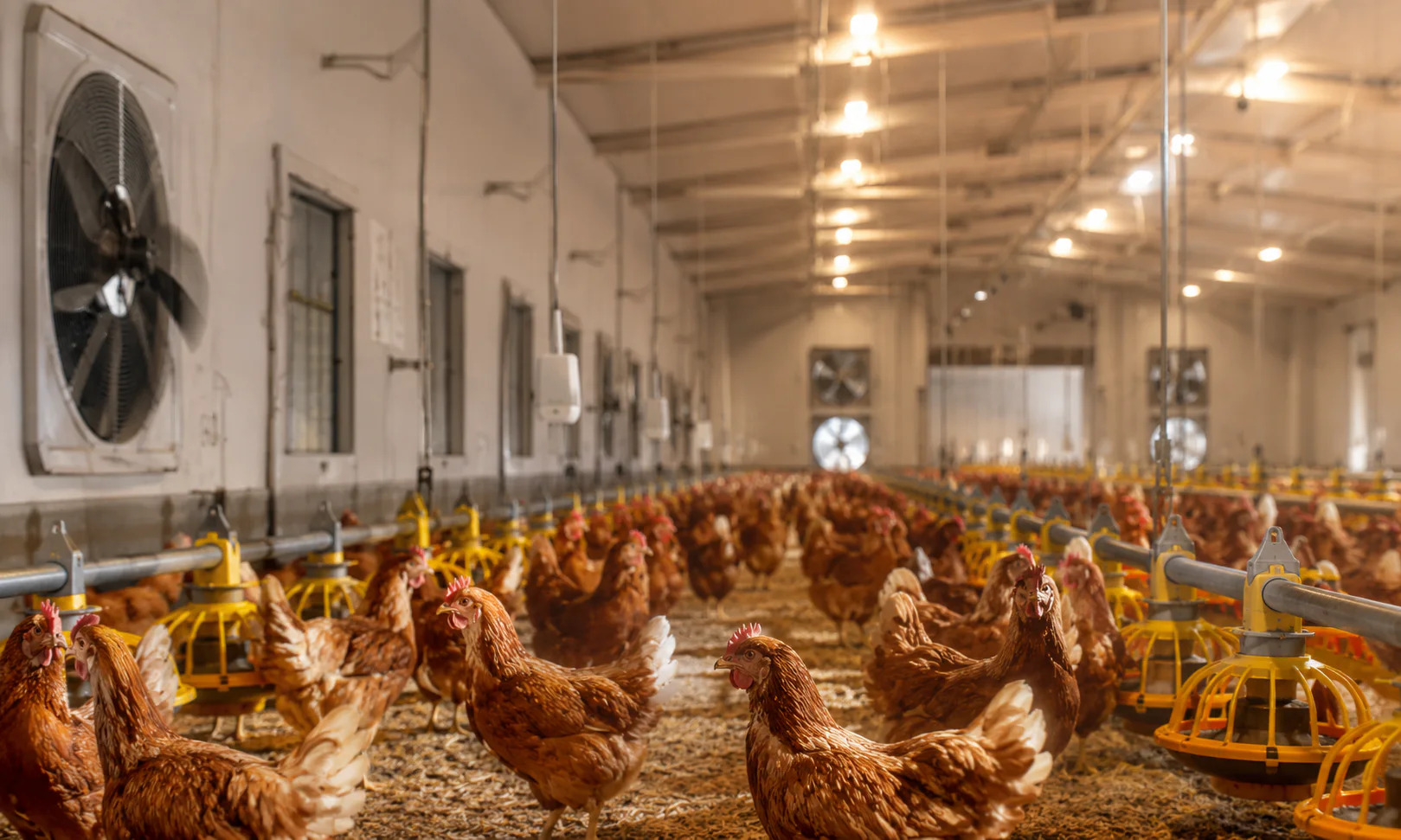
In the first weeks after hatching, chicks tolerate only a narrow range of temperature and humidity, and small deviations can affect health and growth. A poultry farm in Chile needed a dependable way to hold indoor climate steady during early rearing. Sensors connected to S09, LoRa connectivity, and a cloud platform now bring data from across the houses into one view, with threshold alerts prompting action before conditions drift outside safe range.
Problem
The Flock Reacts Faster Than a Patrol Can
Poultry operations depend heavily on stable indoor climate. When temperature or humidity spikes, drops, or drifts from the ideal range for an extended period, birds are quick to show stress — feed intake, growth, immune status, and overall batch performance can all suffer.
Deviations can trace back to weather, ventilation equipment, heating or cooling controls, house insulation, or changes in stocking density. When managers rely mainly on scheduled walkthroughs, they struggle to catch what's already happening across multiple houses in real time. By the time feed intake drops and birds grow visibly less active, staff trying to reconstruct how long or how severe the deviation was usually have only a patrol's fragmented impression to go on, and every decision from there follows a guess.
Solution
One Platform, Every House at a Glance
S09 transmitters connected to external temperature and humidity sensors were installed across multiple houses on the farm, continuously measuring conditions and sending data over LoRa to a cloud monitoring platform.
Operators can view live temperature and humidity, historical trends, and anomaly patterns for each house, and set their own safety thresholds. When a reading crosses the range, the system issues an alert right away, helping staff decide whether to adjust ventilation, cooling, heating, or send someone to check in person. Because the setup is wireless, sensor points can be added or repositioned as house layouts, batch cycles, or future expansion require.
Value
Flock Stability Starts in Week One
In a chick house's first week, an environmental swing no longer waits for a patrol to reach that particular building before anyone notices. The farm catches temperature and humidity deviations earlier, closing blind spots that manual checking alone left open, and starts a response before an environmental shift becomes a production risk.
When temperature drifts in the middle of the night, the alert goes straight to a phone on duty, not to whoever walks the houses at sunrise. As environmental data accumulates, teams can compare houses and batches more easily, pinpoint zones with recurring issues, and sequence ventilation work, equipment maintenance, and inspections more efficiently.
Next Step
Map the poultry house’s current ventilation, climate-control, and duty workflow first, then define who should receive an alert and when action is expected.
Notes
- Every site is different; deployment plans and outcomes should be assessed by qualified professionals against actual site conditions.
*Illustrative image
Explore Solutions / Talk to an Expert