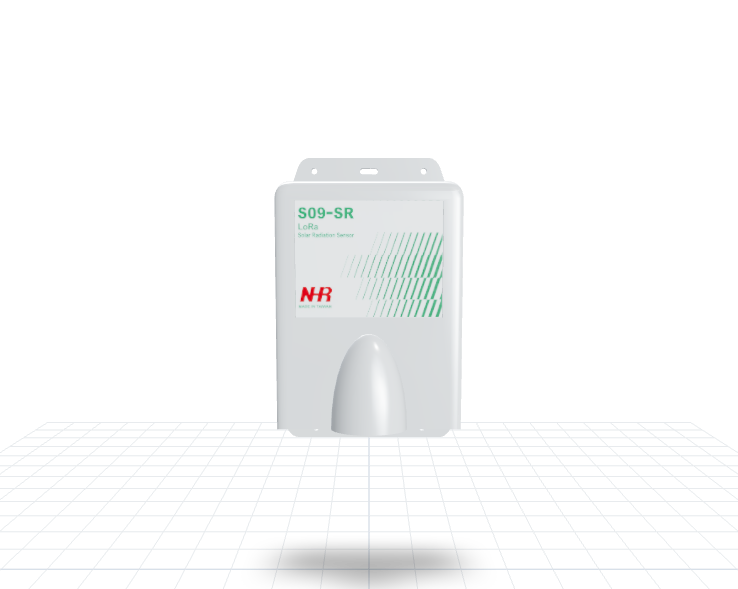
Project status | Operator water-use monitoring installed; well-level integration planned
For hot-spring hotels, guesthouses and bathhouses, spring water is where every business day begins. A steady supply decides whether they can serve guests as usual.
This project addresses a question many hot-spring areas face: with everyone drawing water, can the well keep up?
Knowing how much water is used is where management starts; seeing how the well responds is how supply risks are spotted earlier.
Challenge: Water use is visible, the well's response is not
Local operators already have hot-spring usage monitoring, so every period's abstraction is on record. But the questions that matter most for management cannot be answered from usage records alone:
- How does the monitoring well respond when different operators draw water at different times?
- How long does the level take to recover once use drops?
- When the level falls suddenly, is it linked to abstraction or to something else?
Without well data, these questions can only be guessed at after the fact, and the cause of a supply problem is hard to trace.
Approach: Put water-use records and well conditions on one timeline
1. Add high-temperature level and temperature monitoring to the well
The project plans to install pressure sensors suited to high temperatures in the flowing artesian monitoring well, recording changes in hydraulic head while also measuring water temperature. Equipment will be selected for well depth and diameter, water temperature and chemistry, and site connections, with long-term use in hot-spring conditions as the goal. Installation records will include the well's location, wellhead elevation, depth and its position relative to nearby facilities as a reference for later analysis. Hydraulic head reflects pressure changes in the well and is not a direct measure of the water remaining underground.
| Existing pipework and valves | Existing pipe connection |
|---|---|
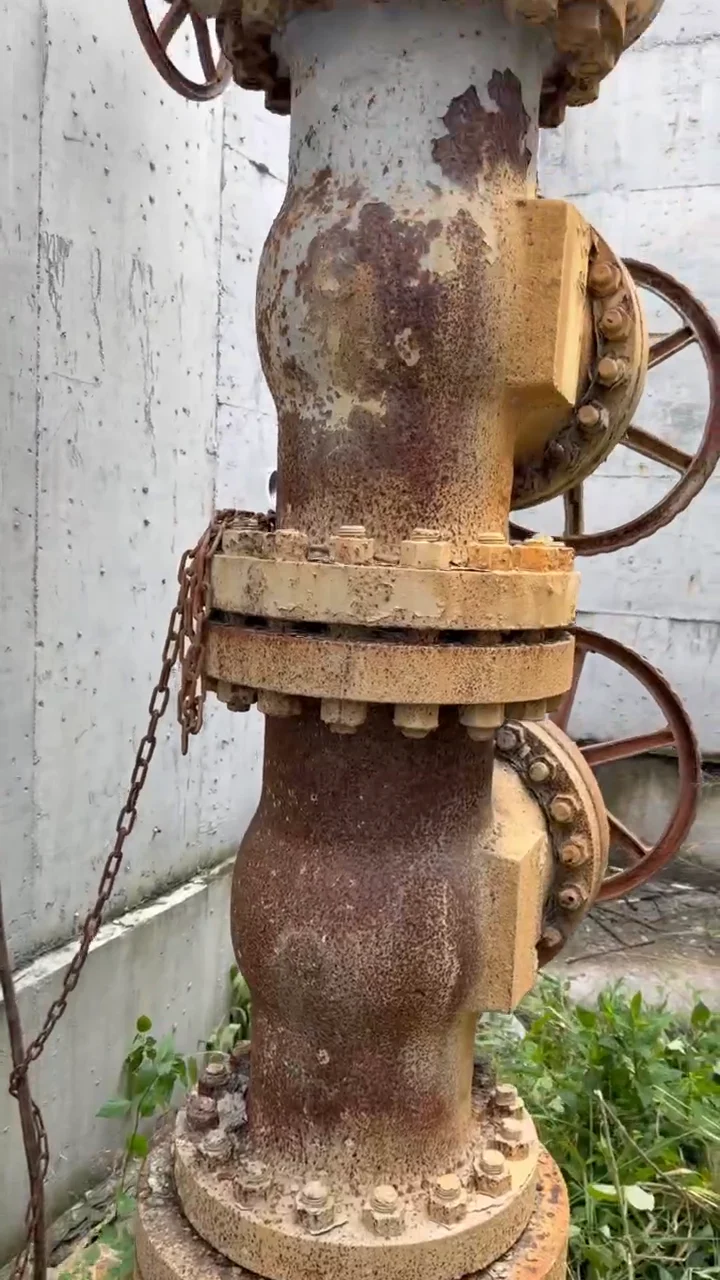 | 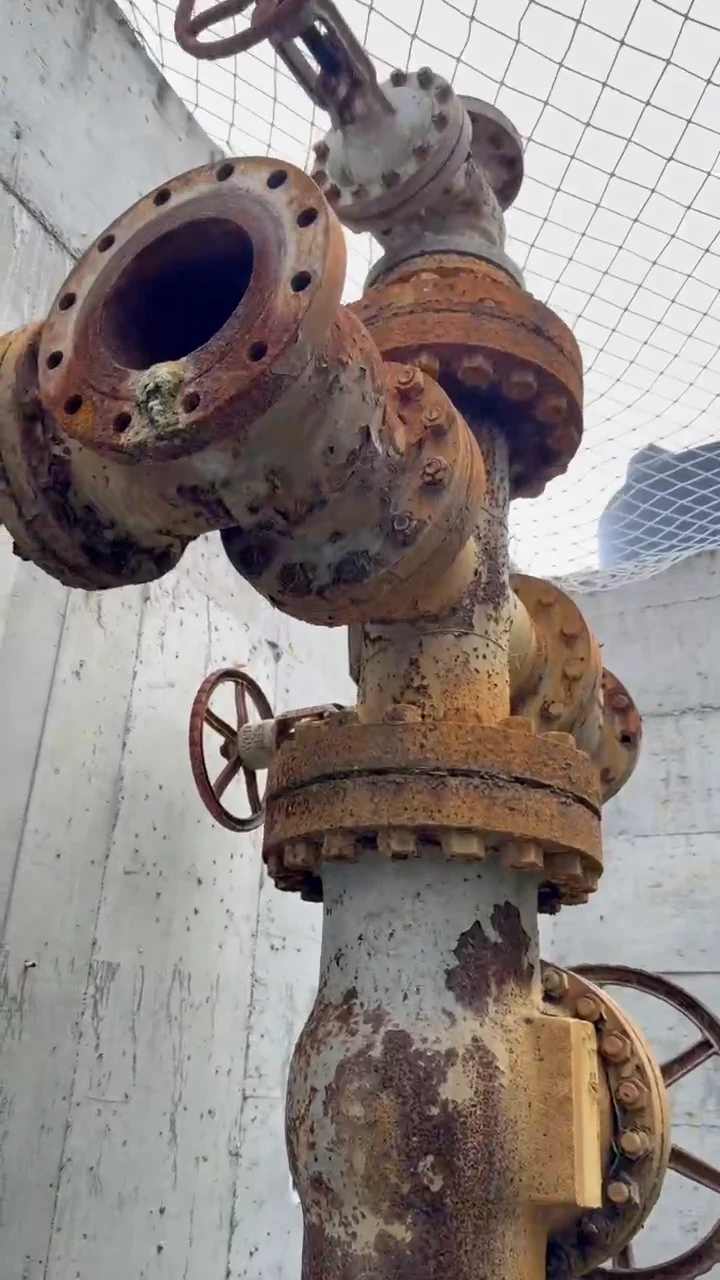 |
| Frame from the project site video | Frame from the project site video |
2. Data in the cloud, visible on a phone
Site data is planned to travel through an IoT data collector over 4G or a wired network to a cloud platform. Managers can view well level, water temperature, each operator's water use and device connectivity together on a phone or computer, instead of pulling separate records.
3. When the level drops, look back at what happened at the same time
When the level falls quickly, managers can compare instantaneous and cumulative water use and each operator's pumping periods for the same time to see whether abstraction changed. Once data access is authorized, rainfall, tides, earthquakes, nearby geothermal abstraction and reinjection records, and pump, power and communication status can also be added to help specialists narrow an investigation.
Curves that move together do not necessarily share a cause. The plan is to collect three to six months of data for an initial review before judging whether a stable relationship exists.
4. Tiered alerts that give teams time to respond
Tiered alerts will be set against site baselines, covering levels outside the normal range, rapid short-term drops, abnormal temperature or water use, and device disconnection or power faults. Managers are notified first, turning "finding out afterwards" into time to check, coordinate and respond.
Expected value: Data behind every abstraction decision
Once the system is built and data has accumulated, the project expects to deliver four management benefits:
- An earlier view of supply risk: alerts on abnormal level trends before supply becomes tight.
- Evidence for abstraction planning: operator water use and well response can be compared when reviewing pumping periods and volumes.
- Traceable anomalies: a continuous time-series record to check when something goes wrong.
- Stronger coordination: long-term records to support explanations to authorities and discussions with local stakeholders.
A single monitoring well reflects conditions at its own location; reading the whole hot-spring area requires more monitoring points and geological data.
Where this approach fits
This combination of water-use records and well monitoring suits:
- Hot-spring or tourism areas where several operators share a spring or groundwater source
- Management bodies or operator associations that already meter water use and want to understand the source itself
- Water-source managers who need to explain abstraction to regulators
Notes
- Current status: operator water-use monitoring is installed; well-level and temperature monitoring and data integration are planned. The benefits described are planning objectives and need completed construction and actual operation to verify.
- The pipework and connection photos are frames from video supplied for this project and show pre-installation conditions only; they do not indicate that the monitoring system has been installed and cannot establish equipment materials, the cause of corrosion or safety.
- Equipment selection, installation method, notification channels (LINE, SMS or email) and external data connections will be confirmed against site conditions, the actual integration scope and data authorization.
- Linking alerts to pump control would require separate confirmation of each well's and pump's safety conditions, control interfaces and fail-safe measures; one monitoring well's threshold will not directly control all equipment.
- Every site is different; deployment plans and outcomes should be assessed by qualified professionals against actual site conditions.
*Illustrative image