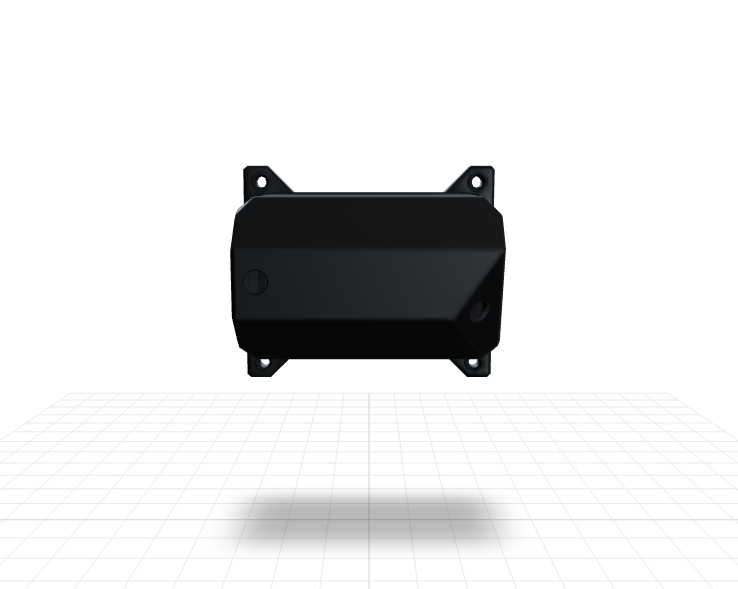
Staff Sent Where Needed: Waste and Recycling Monitoring at a Malaysian Commercial Complex
On fixed routes, full bins wait while others get rechecked. Bin and recycling status feeds task ranking, so cleaners go where they're needed first.
Project Profile
- Region: Malaysia
- Category: City
- Products: B01+W01
Operational Value
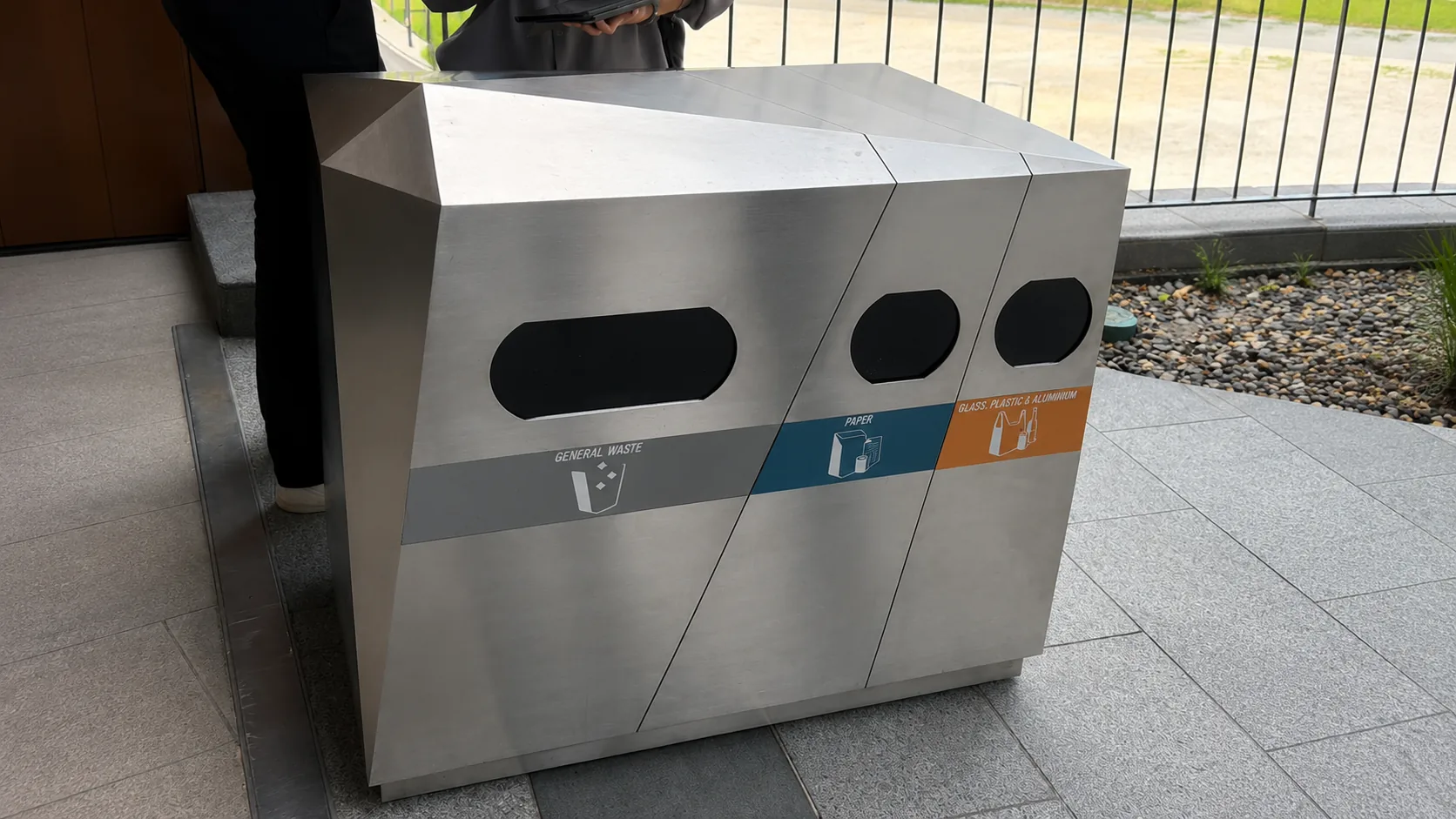
- 3 Categories — Paper, metal, and general waste flow monitoring (Single system)
- Operational objective — Fewer manual bin checks (not a measured project outcome)
- Real-Time — Full-bin alerts (Replaces fixed rounds)
Case Snapshot
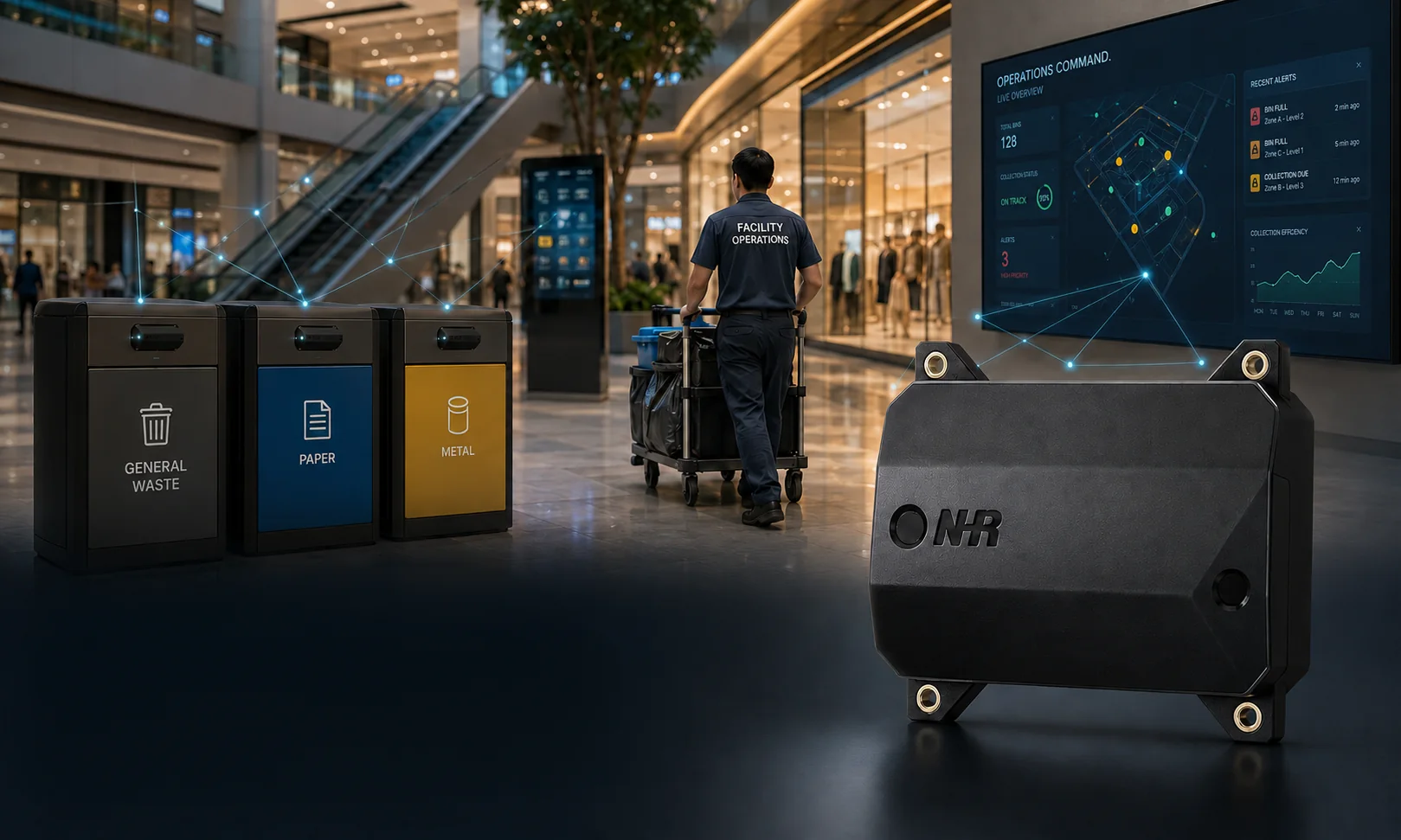
Visitor experience, cleaning efficiency, and recycling flow all have to hold together in a high-traffic mixed-use complex in Malaysia, where paper, metal, and general waste once moved through fixed rounds and manual judgment alone. B01 smart bin sensors and W01 recycling sensors now feed an AI-assisted dispatch workflow, so cleaning teams act on real-time priority instead of working a fixed route start to finish.
Problem
Bins get checked, the full ones still wait
In malls, mixed-use complexes, and transit hubs, waste volume shifts quickly by zone, time of day, and event traffic. Teams working fixed routes end up rechecking bins that do not need service while the ones that do wait longer for attention. A bin that looked fine at the start of a route could be overflowing an hour later once a peak period hit.
That pattern adds avoidable labor. It also limits visibility into recycling accumulation, making it easy to lose track of paper, metal, and general waste streams.
Solution
A full bin puts itself on the list
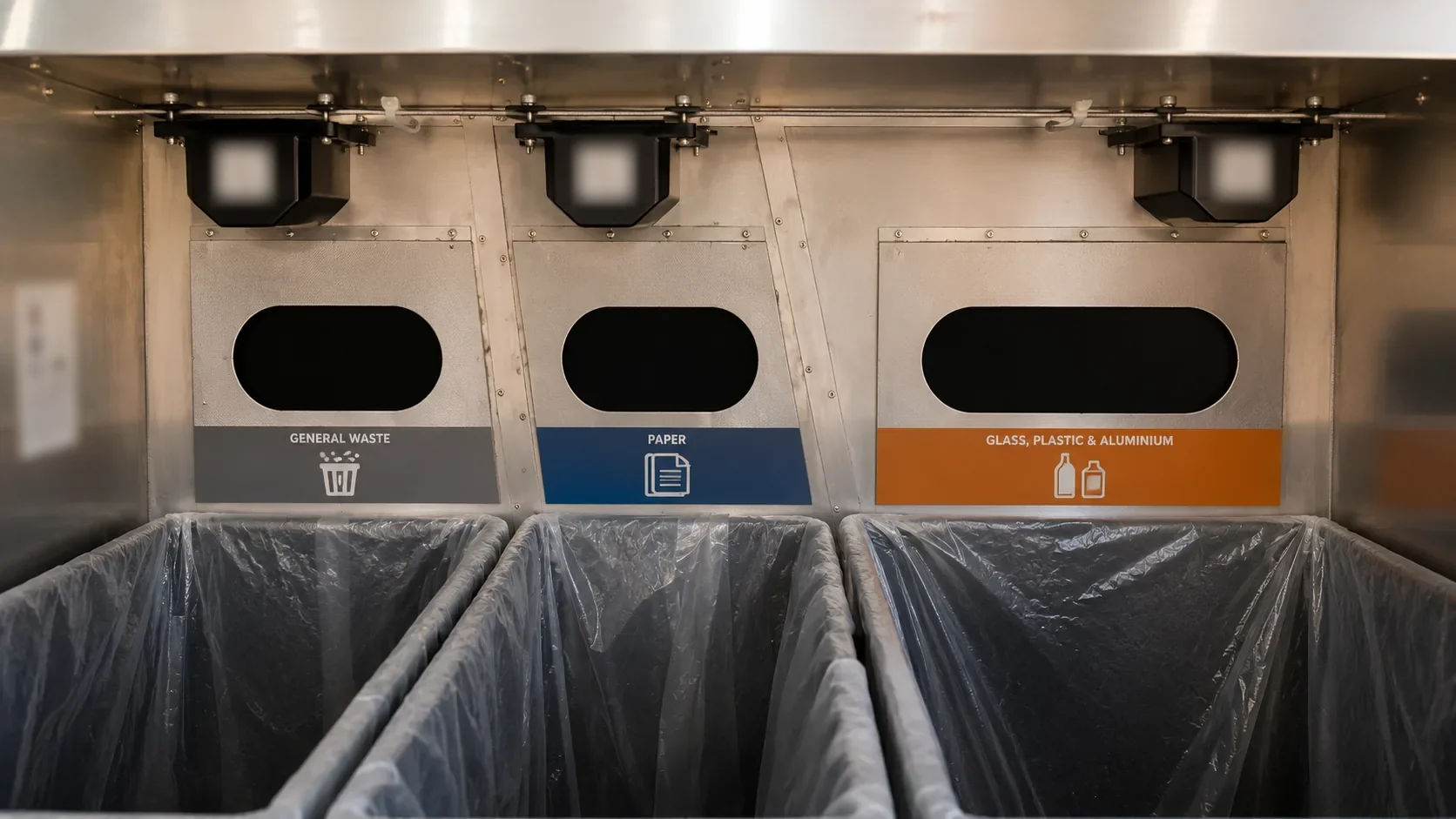
B01 smart bin sensors monitor fill levels across paper, metal, and general waste points, while W01 sensors track recyclable accumulation in parallel, with both data streams feeding a centralized workflow.
Once a bin crosses its threshold, the system helps generate an AI-assisted task for dispatch, and cleaning teams act by location, priority, and current conditions instead of working a fixed route start to finish. The next stop is decided by what the sensors are reporting, not by where the route happens to lead next.
Value
Labor goes where it is actually needed
Cleaning staff used to walk the full route to find out what needed attention; now the dispatch view flags priority zones directly, so urgent work happens first and the rest waits, cutting unnecessary bin checks and speeding up response for higher-priority tasks.
Paper, metal, and general waste now share one data foundation instead of being tracked and reported separately. For malls, hospitals, airports, and large mixed-use campuses, that means better waste-operation visibility and service quality without a major increase in headcount.
Next Step
Share your waste streams, patrol routes, and collection rules to assess which locations would benefit most from using fill-level data to reprioritize cleaning work.
Explore Solutions / Talk to an Expert
Image Gallery
Notes
- Every site is different; deployment plans and outcomes should be assessed by qualified professionals against actual site conditions.
*Illustrative image