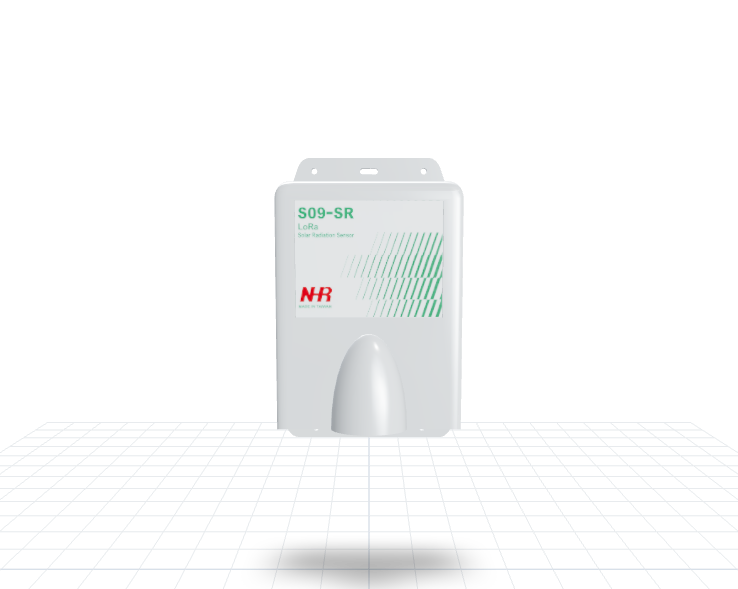
Wireless Temperature Validation for Beverage Fridge Maintenance in Saudi Arabia
A repaired fridge must prove its cooling is back, but records break as units move. An S09 probe travels with each unit, so every station has a temperature record before handover.
Project Profile
- Region: Saudi Arabia
- Category: Industrial
- Products: S09
S09 transmits sensor data; the measurement parameters described here are provided by the connected external sensors.
Operational Value
- Continuous — Temperature tracking across repair stations (Uninterrupted through equipment moves)
- Pre-Delivery Validation — Cooling performance data as evidence (Quality checkpoint)
- Operational objective — Faster identification of abnormal units (not a measured project outcome)
Case Snapshot
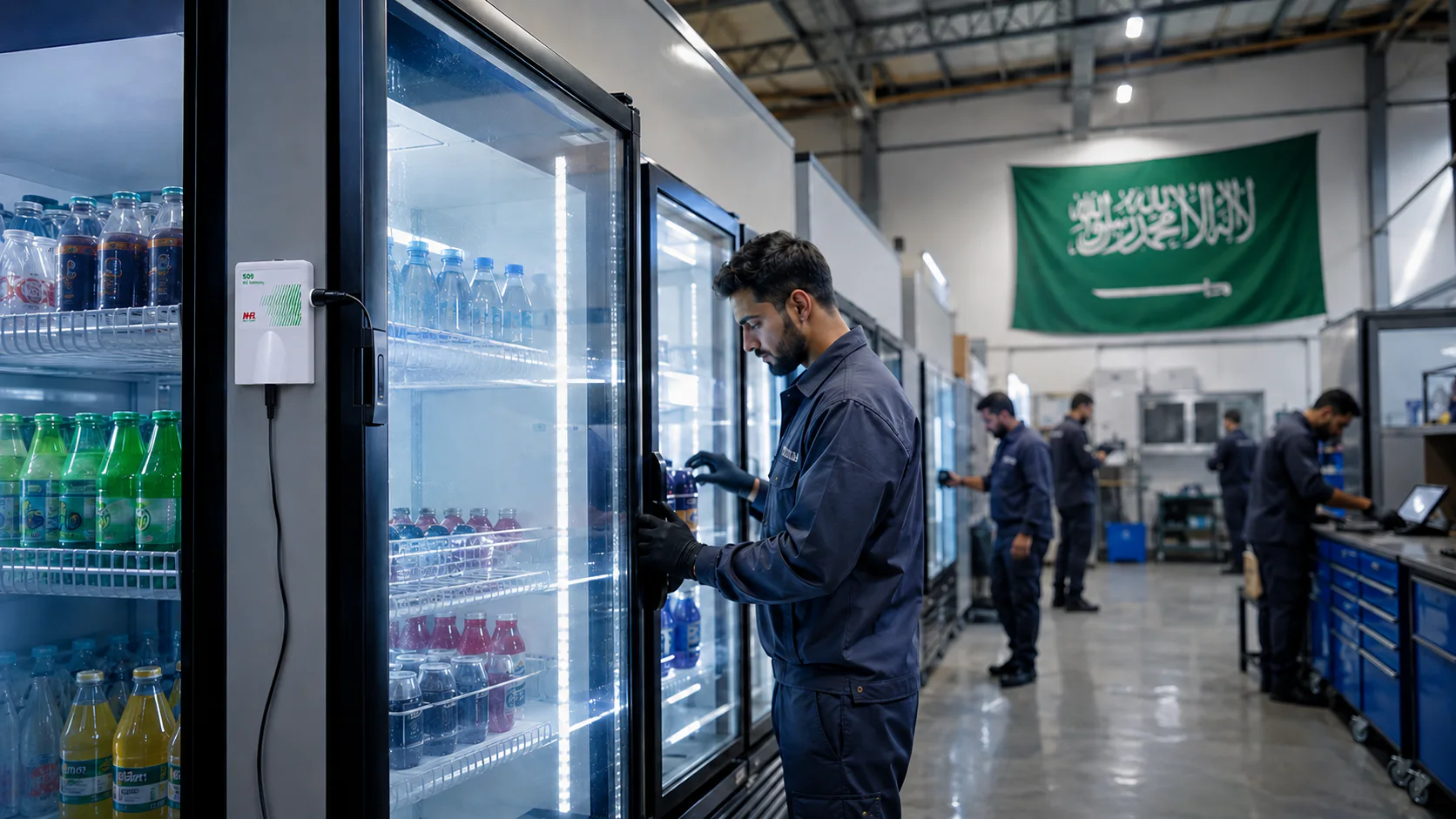
A repaired fridge still has to prove its cooling performance has actually recovered before it goes back to the customer — a step that's often harder to standardize than the repair itself. A beverage refrigeration maintenance center in Saudi Arabia once relied on manual temperature checks and paper logs, and when units moved across multiple repair stations, records broke down and abnormal units were hard to catch quickly. With external sensors connected to S09 now placing the probe inside the cold chamber and the transmitter outside, each unit stays under continuous tracking through the entire repair process.
Problem
Equipment moves, but records used to stop halfway
For a refrigeration maintenance center, finishing a repair is only part of the job. Before a unit goes back into service, technicians still need to confirm its cooling performance has returned to an acceptable range and leave a traceable record of that check.
When work is spread across multiple stations, equipment keeps moving, and fixed wiring isn't practical, manual checks and handwritten logs create gaps. An abnormal unit may not surface until much later — sometimes only after it's back with the customer and cooling underperforms, leaving only a technician's word as evidence. The center needed a validation method that could travel with the equipment, keep recording continuously, and stay out of the way of the repair workflow.
Solution
Sensors travel with the unit, station to station
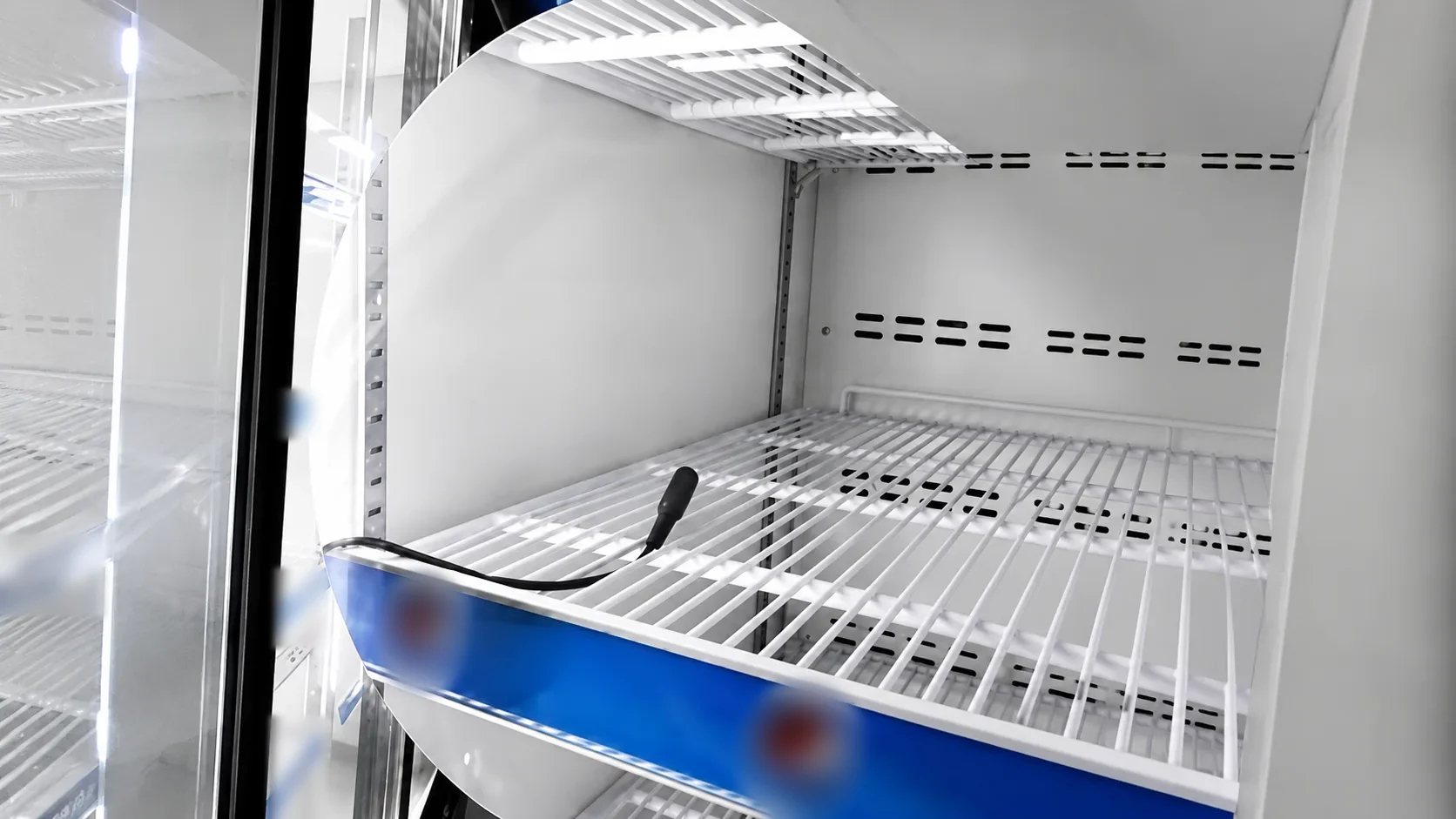
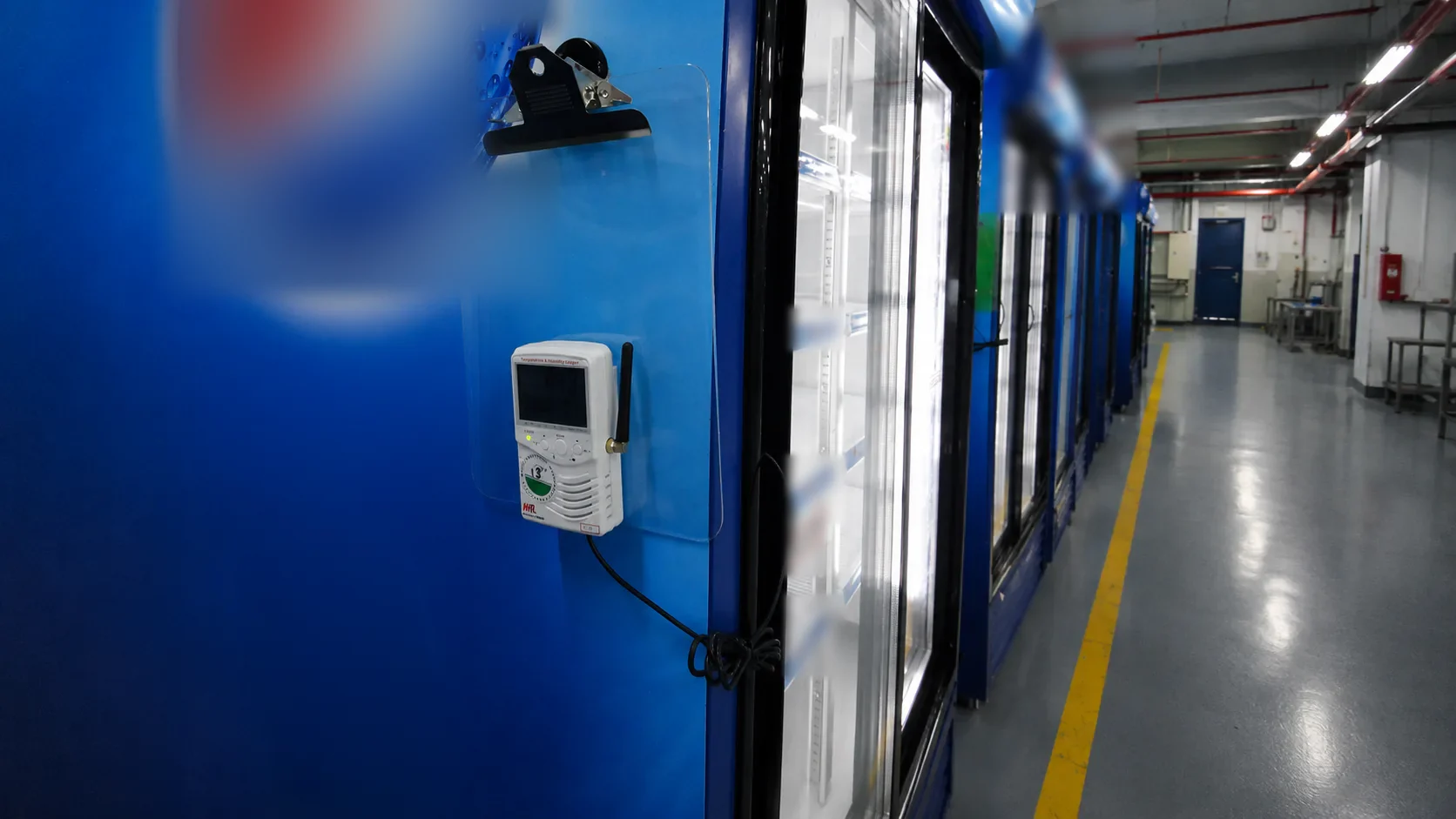
The team assigned an S09 transmitter connected to an external temperature sensor to each beverage refrigerator awaiting validation. The probe was placed inside the cold chamber to measure actual cooling conditions, while the external transmitter stayed outside the unit to maintain stable wireless communication.
As each unit moved from initial repair to testing to final inspection, the system kept recording temperature changes and relaying data to the monitoring platform. When readings fell outside the preset range, the team could identify units needing further work sooner, and maintenance reports could be compiled digitally.
Value
Evidence at every station before delivery
The moment a unit goes back to the customer, the maintenance center already holds a continuous, traceable validation record — not one isolated manual reading from the last check — and repeated logging and manual interpretation drop accordingly. Technicians no longer need to re-confirm cooling status at every station and can focus on units that actually show an anomaly.
For management, that means steadier outgoing quality control, clearer maintenance records, and a validation model that's easier to replicate across a multi-station repair workflow for commercial cold equipment.
Next Step
Select one or two representative repair stations and refrigeration workflows to assess whether continuous temperature verification can be introduced without disrupting existing operations.
Explore Solutions / Talk to an Expert
Image Gallery
Notes
- Every site is different; deployment plans and outcomes should be assessed by qualified professionals against actual site conditions.
*Illustrative image