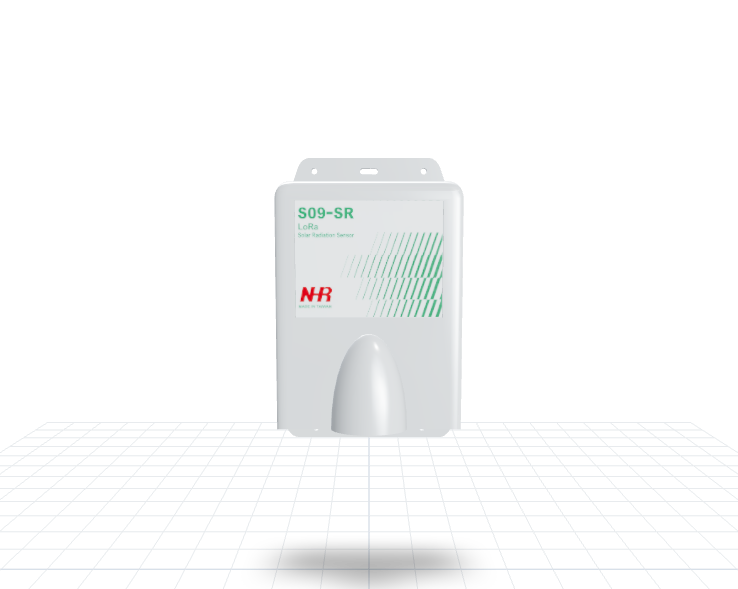
Wireless Environmental Redundancy for Taiwan Data Center Operations
Environmental and asset records sat apart, making incidents hard to cross-check. S09 sensing and T20 asset tracking add a second record layer to review together.
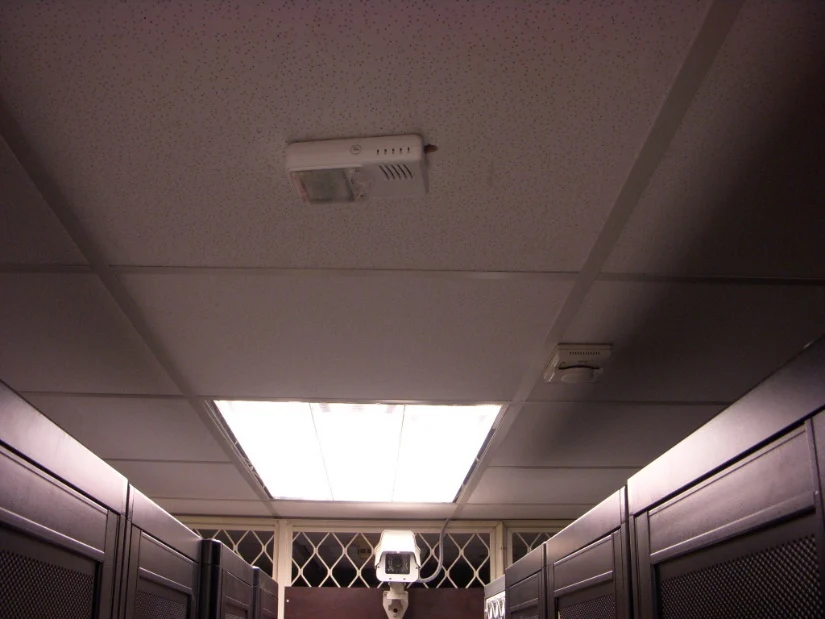
Project Profile
- Region: Taiwan
- Category: Industrial
- Products: S09+T20
S09 transmits sensor data; the measurement parameters described here are provided by the connected external sensors.
Operational Value
- Supplementary monitoring — Cross-check existing facility data (redundancy independence requires validation)
- Asset reports — Review last reports and receiver records (subject to receiver and event configuration)
- Operational objective — Faster inventory and audit readiness (not a measured project outcome)
Case Snapshot
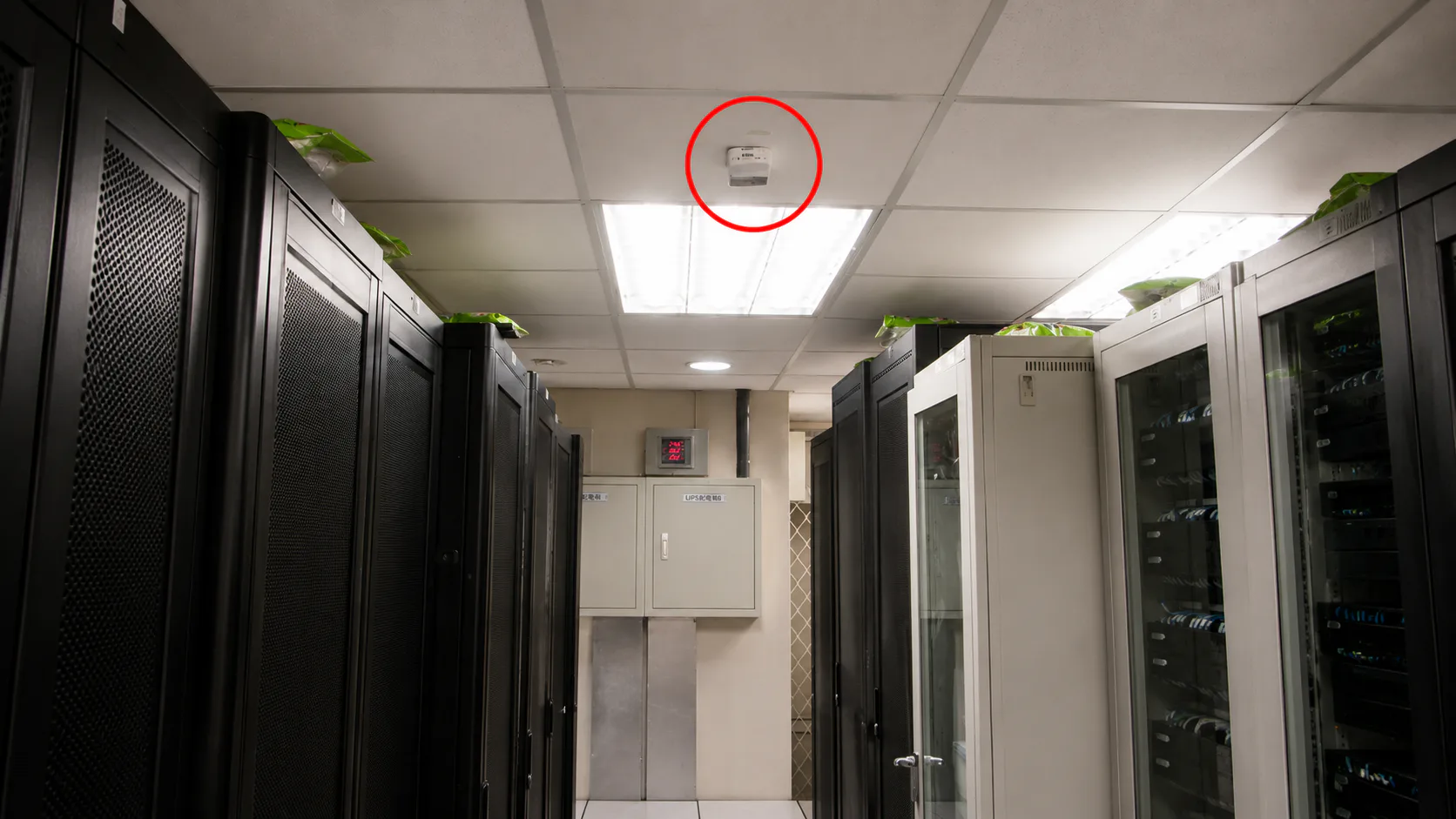
A financial data center in Taiwan sought additional environmental and asset information alongside existing cooling and facility-management records. This case uses S09 wireless temperature and humidity sensing and T20 BLE asset-tracking applications to bring environmental readings and device reports into a shared management view for review and comparison.
Problem
Make environmental and asset records comparable
Environmental monitoring, maintenance tickets, and asset inventories may sit in different systems. Reviewing a period requires knowing which point produced a reading, when a device last reported, and whether a corresponding move or maintenance activity was recorded. Additional sensing supplies context; it does not establish that the existing system lacks monitoring capability.
New equipment must follow site installation, power, and security procedures. If monitoring layers share power, networks, gateways, or a platform, a common failure may affect both. Additional sensors alone do not establish independent redundancy; architecture review and failure-scenario tests are needed.
Solution
Sensing and Tracking Add a Second Layer of Sight
Temperature and humidity points record conditions at their installed locations, with project-specific thresholds, reporting intervals, and notification procedures. T20 broadcasts BLE signals at configured intervals. Receivers or gateways, asset-ID pairing, and platform rules are needed to turn reception records into asset information. A last-reported location or receiver zone is not continuous precise positioning; movement-event support and detection conditions require confirmation of the actual configuration.
Value
Define the record requirements before relying on them
Teams can compare environmental, asset, and operational records by time and location to identify events for review.
Next Step
Share the audit checklist and the records that are hardest to produce independently today, then map which requirements environmental monitoring and asset tracking could support.
Explore Solutions / Talk to an Expert
Image Gallery
Notes
- Wireless reporting can reduce data cabling at sensing points but does not guarantee a cable-free, power-free system or immunity to shielding; receiver coverage, gateway connectivity, maintenance and integration require review.
- Missing and overdue reports should be clearly distinguished from current readings.
- Alert delivery depends on measurement, reporting, connectivity and platform configuration; not every asset move can be promised immediate detection or complete recording.
- Audit use requires defined time synchronization, retention, access permissions, export and missing-data handling; monitoring records alone do not establish audit acceptance or compliance certification.
- Improvements in inventory efficiency or response time should be measured against actual records.
- Every site is different; deployment plans and outcomes should be assessed by qualified professionals against actual site conditions.