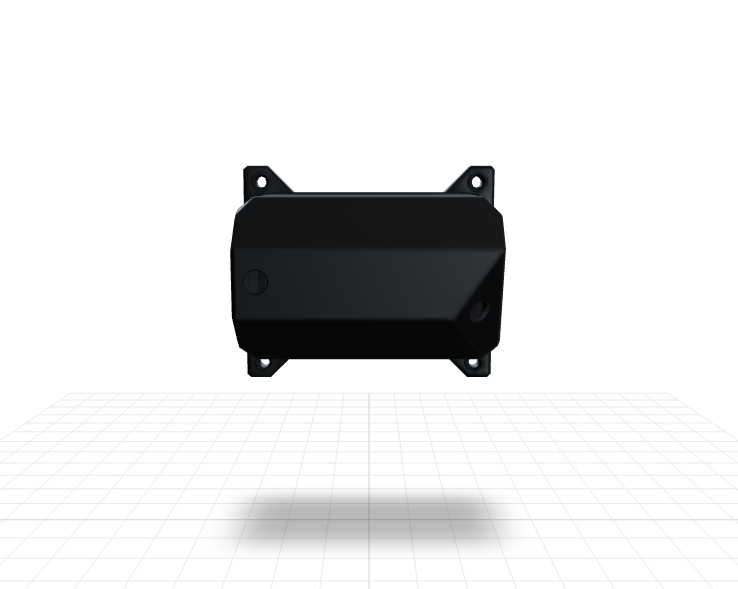
Collection That Follows Fill Levels: Smart Bin Monitoring at a Malaysian Mall
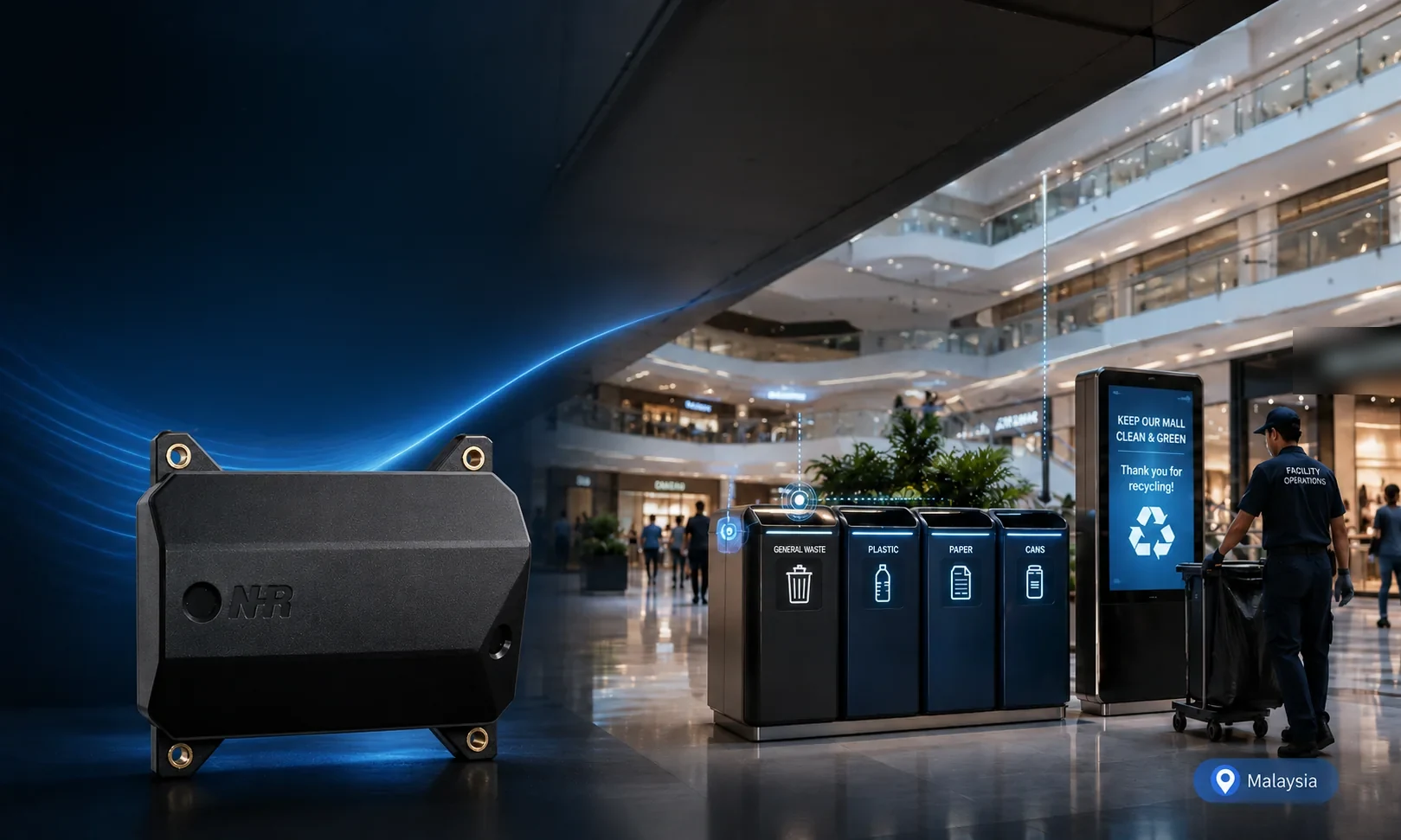
Mall crowds shift quickly and fixed routes lag, so full bins hurt the visitor experience. B01 reports bin and recycling fill levels so collection adapts to weekdays, weekends and events.
Project Profile
- Region: Malaysia
- Category: City
- Products: B01
Operational Value
- 100% — Fill-level visibility at every deployed point (Deployment scope)
- Time-Aware — Overflow-risk alerts during peak footfall (Weekends and events)
- Operational objective — Reduced routine inspection workload (not a measured project outcome)
Case Snapshot
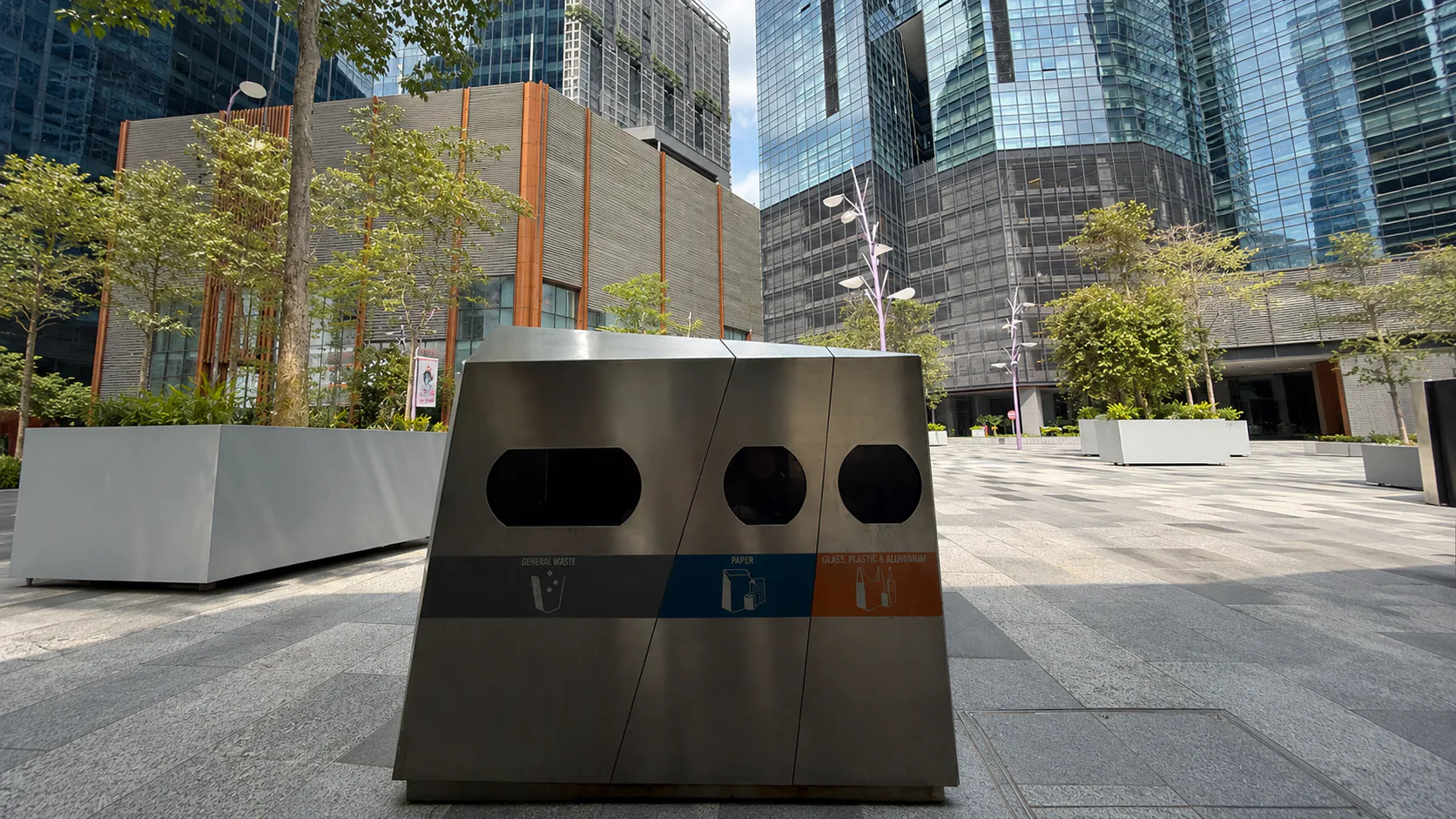
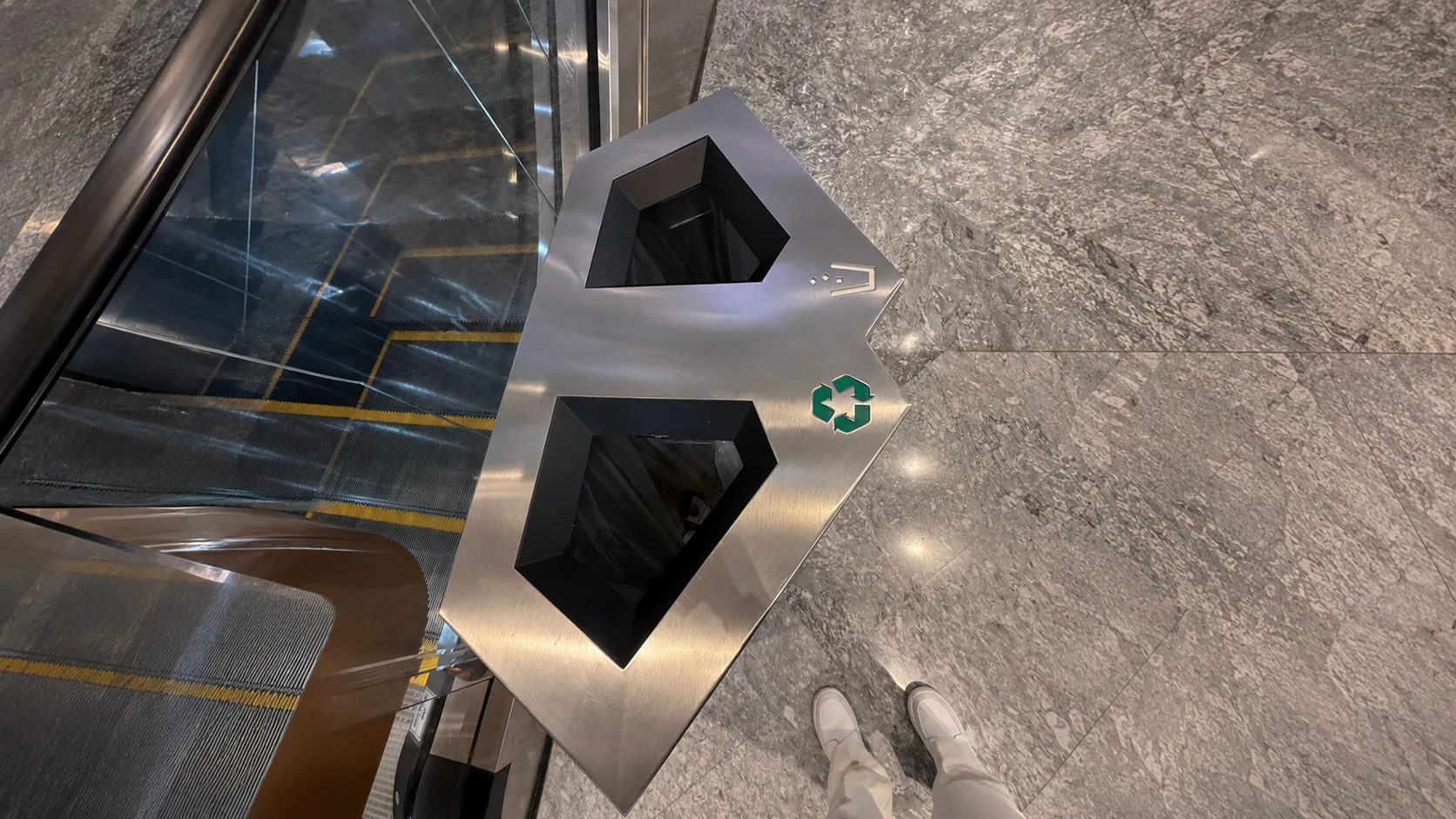
In a large Malaysian mall, public bins and recycling points sit across indoor circulation areas, entrances, retail floors, and food zones, and foot traffic swings sharply between weekdays, weekends, and events — more than fixed patrols can track. B01 smart bin sensors report fill-level status in real time, so cleaning teams sequence rounds by capacity and overflow risk instead of running the same schedule through quiet days and peak crowds.
Problem
Crowds swing fast, patrols lag behind
The real difficulty in mall waste management is preventing overflow and odor during peak periods, without sending staff to recheck bins that don't yet need service.
When teams rely mainly on visual inspection, fixed schedules, or visitor complaints, it is hard to see the capacity gap between floors and drop-off points in real time, so cleaning resources rarely land where they are needed most. Supervisors were often left guessing which floor needed attention next, relying on a complaint to find out too late.
Solution
Capacity becomes visible, timing follows it
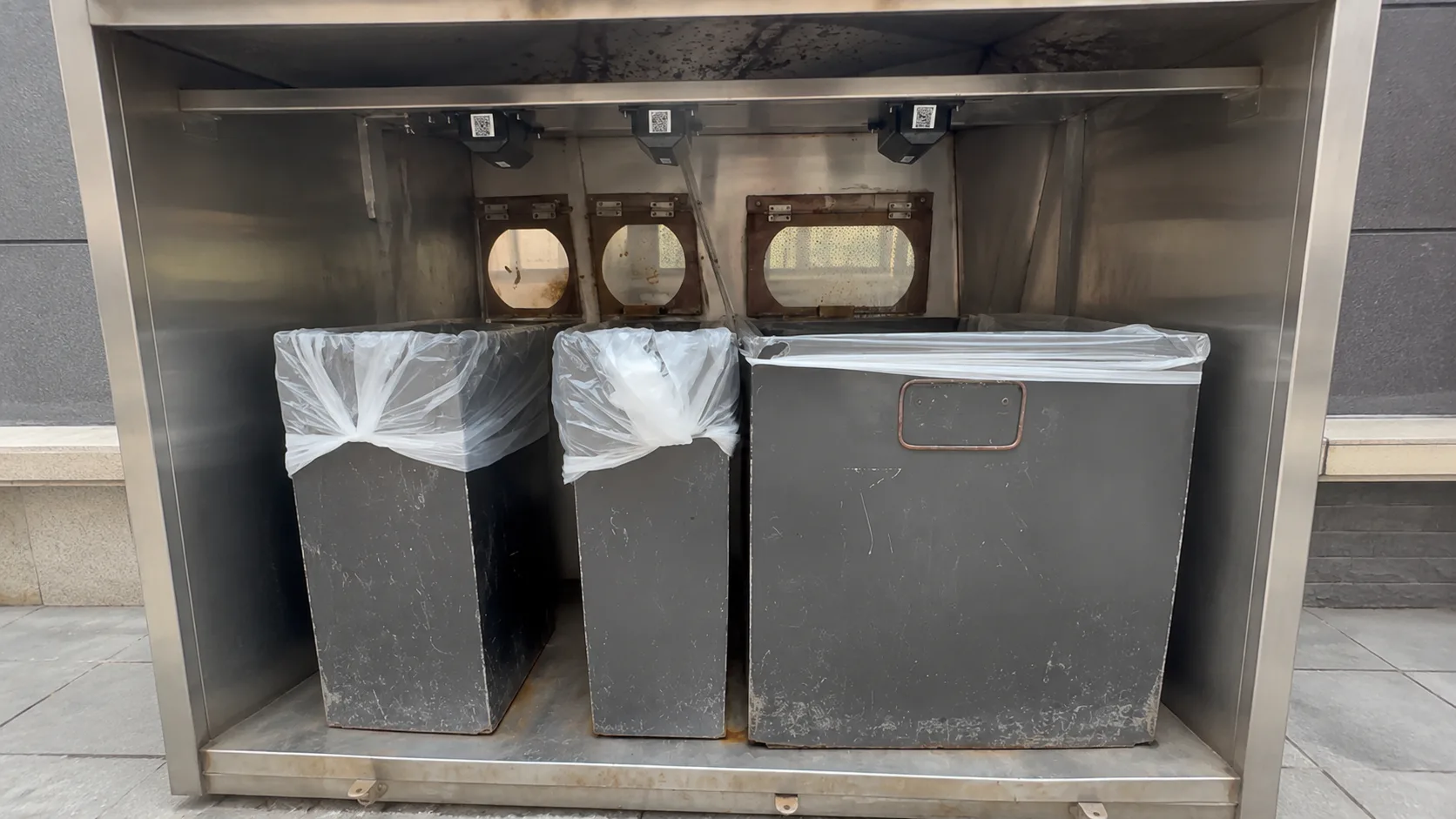
B01 smart bin sensors were installed at selected public bins and recycling points across indoor circulation areas, entrances, retail floors, and food zones, detecting fill-level changes and reporting status to a monitoring platform.
Cleaning and operations teams sequence their rounds by capacity status, overflow risk, and abnormal signals rather than a purely fixed route, and can shift collection priority around weekday, weekend, and event-driven crowd swings. The same sensor layer gives supervisors a single view across every floor instead of separate reports from each zone.
Value
Less overflow, a steadier mall environment
With fill-level status visible in real time, cleaning teams respond first to near-full or high-risk bins, cut unnecessary empty-bin checks, and turn around collection faster around peak traffic.
For a large mall, that means steadier public-space quality, lower overflow and odor risk, and a clearer basis for overseeing outsourced cleaning performance — the same capacity-monitoring approach extends directly to other floors and new locations as they open.
Next Step
Share the mall’s bin layout, peak and off-peak traffic patterns, and current collection routine to identify where fill-level data would most improve collection priority.
Explore Solutions / Talk to an Expert
Image Gallery
Notes
- Every site is different; deployment plans and outcomes should be assessed by qualified professionals against actual site conditions.
*Illustrative image