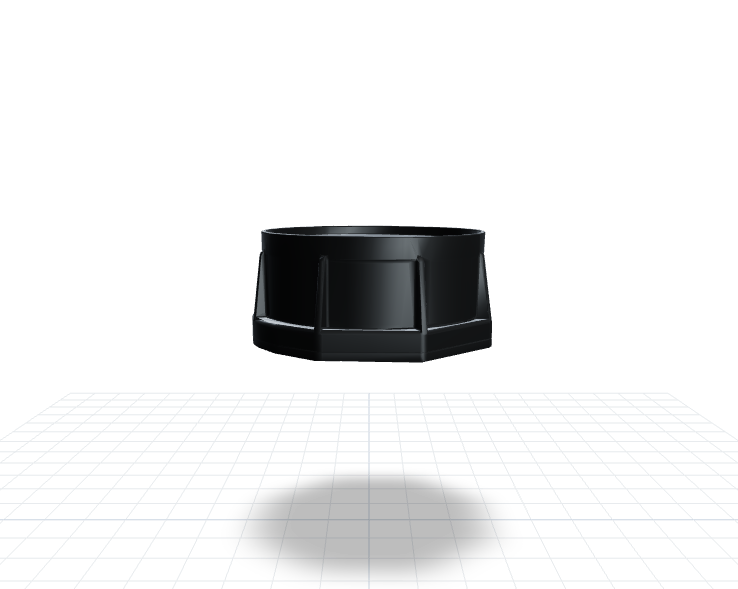
Seeing Cover Problems Under the Water: Smart Manhole Monitoring in the UAE
In a storm, a loose cover hides under floodwater and crews must wade in to check. H01-NW reports manhole level and cover status so wet-weather checks start from data.
Project Profile
- Region: UAE
- Category: Environment
- Products: H01-NW
Operational Value
- Dual Monitoring — Simultaneous view of water level and cover status (Synchronized visibility)
- Real-Time — Cover-opening and displacement alerts (Safety alerting)
- Operational objective — Fewer manual patrols in severe weather (not a measured project outcome)
Case Snapshot
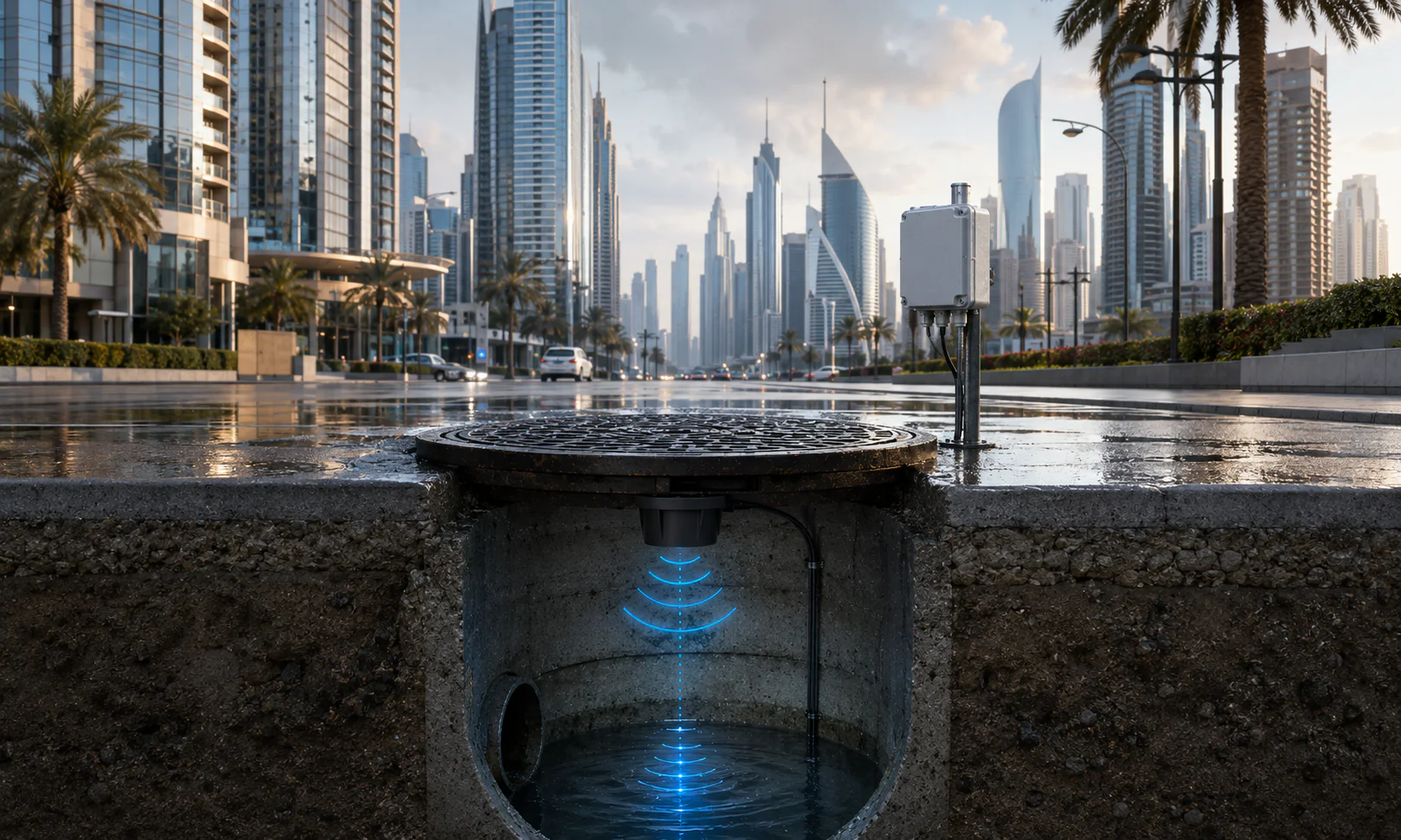
For drivers and pedestrians, the greater storm hazard is often not the rain itself but what's hidden beneath standing water. At an urban drainage site in the UAE, manholes are the hardest thing to monitor once heavy rain and sudden flooding hit: rising water can disrupt roads and underground infrastructure, while an opened, shifted, or tilted cover raises the stakes further once visibility drops. H01-NW sensors installed inside selected manholes now report water level and cover condition together, without staff having to wade in to check.
Problem
A loosened cover, hidden under the water
What makes a manhole anomaly dangerous is timing: by the time a scheduled patrol or an after-the-fact report confirms it, traffic, nearby infrastructure, or pedestrian safety have often already been affected. In heavy rain and standing water, manual checks are slow, cover limited ground, and can put patrol staff in a more dangerous position themselves.
The sharper danger is that a cover pushed open, shifted, or tilted by the flow is nearly invisible to a passing vehicle or pedestrian once water covers it — a dropped wheel or a missed step can happen without warning. Without an active monitoring layer, the first signal a drainage authority gets about a compromised cover is often a traffic accident or an emergency road closure, not a sensor reading, which leaves the team handling liability questions alongside the repair.
Solution
A tilted cover triggers its own alert
Inside a selected manhole, two things need watching at once — how fast the water is rising, and whether the cover itself has come loose. H01-NW tracks water level continuously using non-contact radar, while integrated tilt detection covers the cover separately: an abnormal opening, displacement, or tilt gets flagged as the same category of safety risk.
Data reaches a remote platform over NB-IoT, with rising water and cover anomalies traveling the same alert path. Operators read site conditions against threshold values and coordinate repair or emergency response directly when needed — a cover-safety signal no longer waits behind a water-level check to get attention.
Value
Patrols no longer wade in to look
When the storm hits, operators no longer send someone to wade in and check — underground drainage changes already show up on the platform, giving response decisions a real-time basis.
With water level and cover status monitored together, flood prevention, road safety, and maintenance dispatch can be managed in one workflow instead of separately. For cities with similar conditions, this low-infrastructure-burden approach raises both disaster visibility and public-safety resilience.
Next Step
Mark the manholes with a history of flooding, cover incidents, or hazardous patrol conditions and use those points first to evaluate combined water-level and cover monitoring.
Explore Solutions / Talk to an Expert
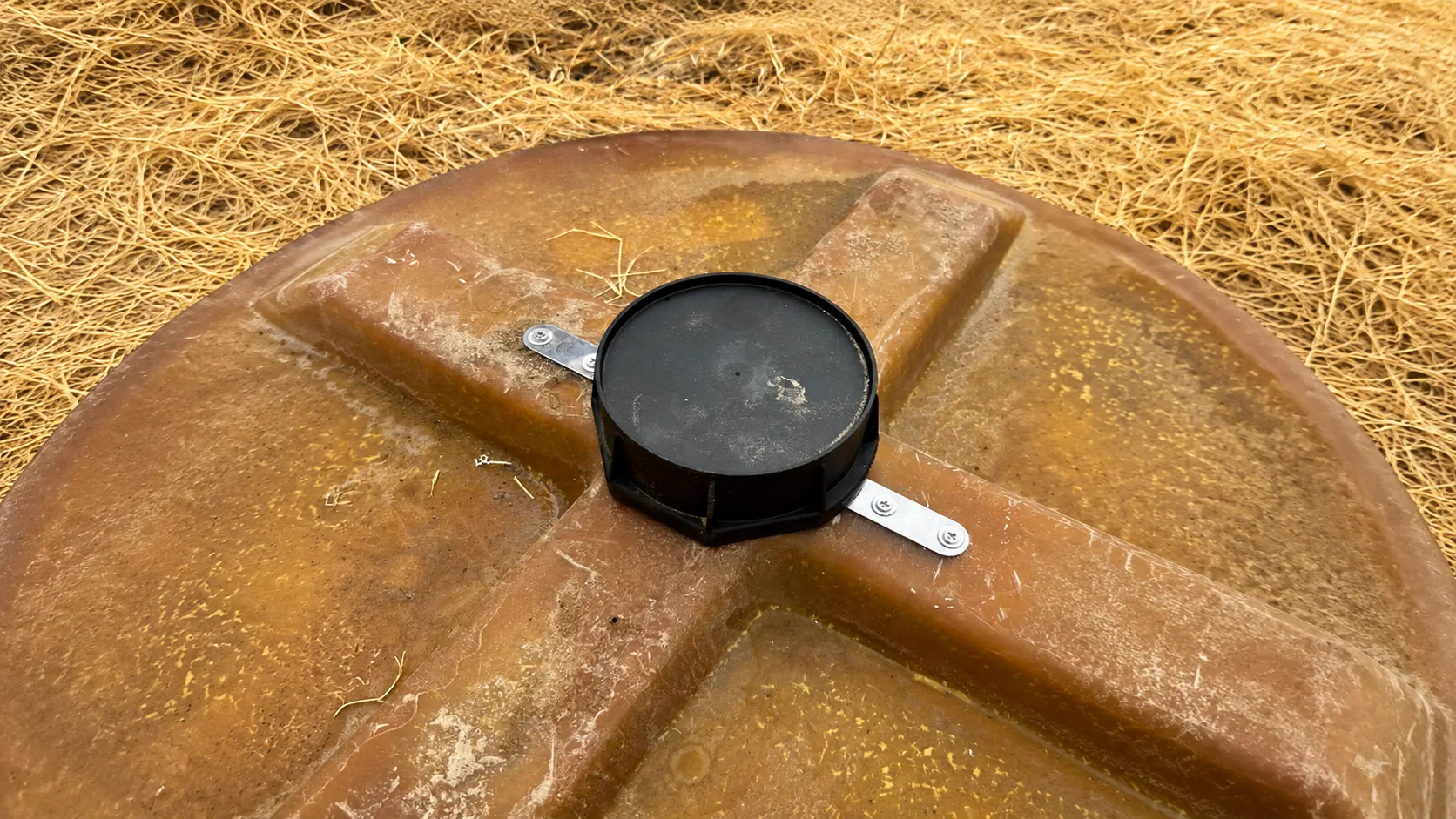
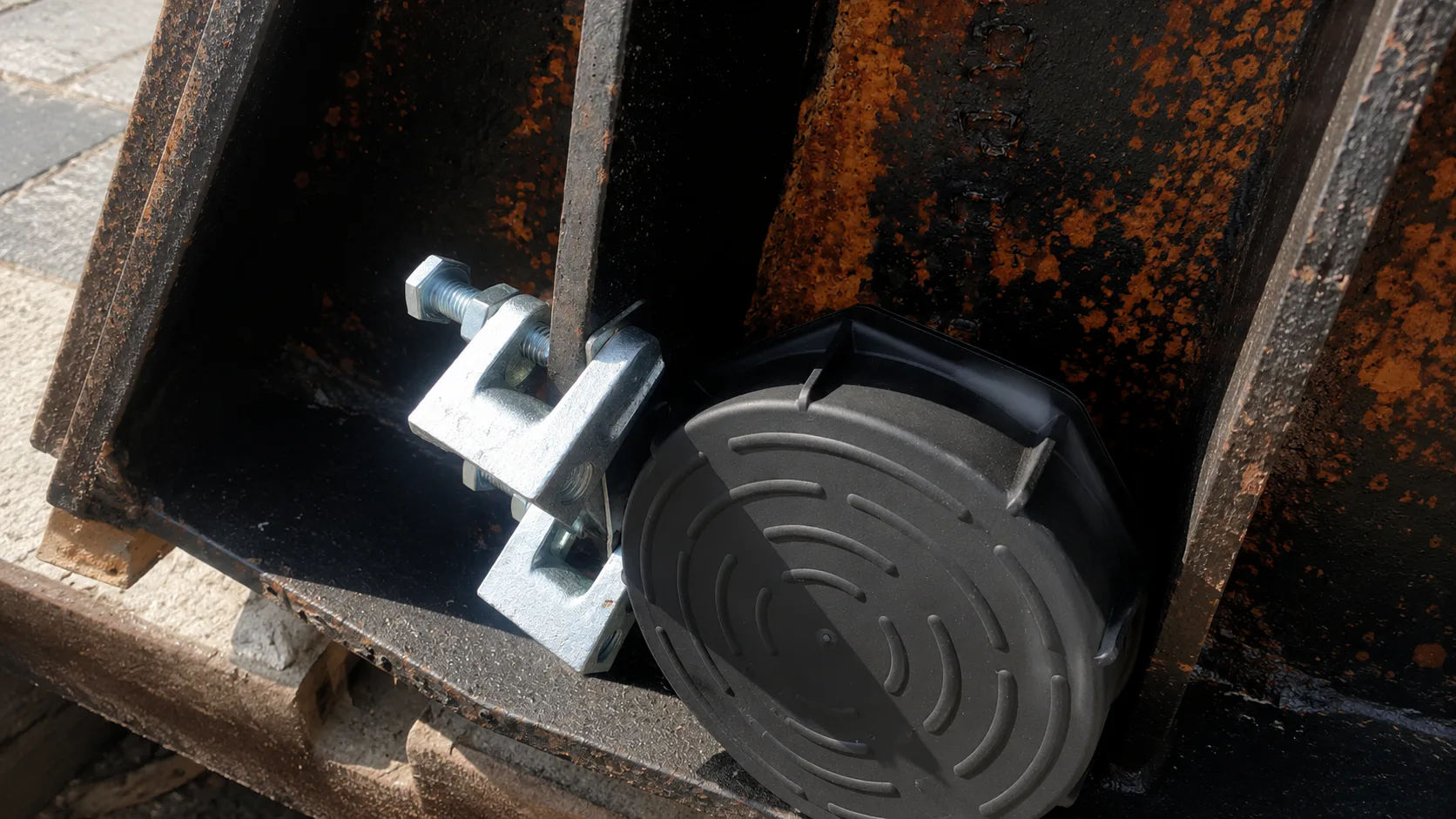
Image Gallery
Notes
- Every site is different; deployment plans and outcomes should be assessed by qualified professionals against actual site conditions.
*Illustrative image