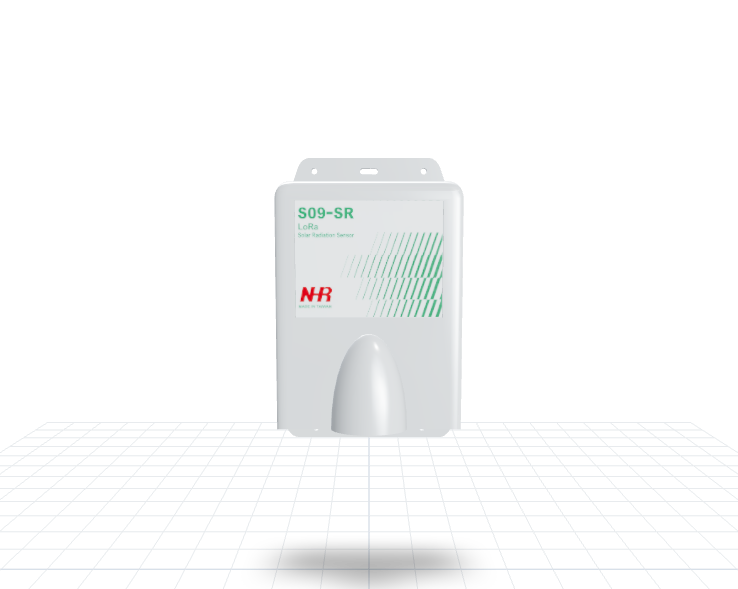
Smart Gas Metering and Safety Management in Taiwan
Meter data waited on site visits, so anomalies surfaced late. S10 reports usage and meter status remotely, so readings no longer wait on visits and anomalies come with data to check.
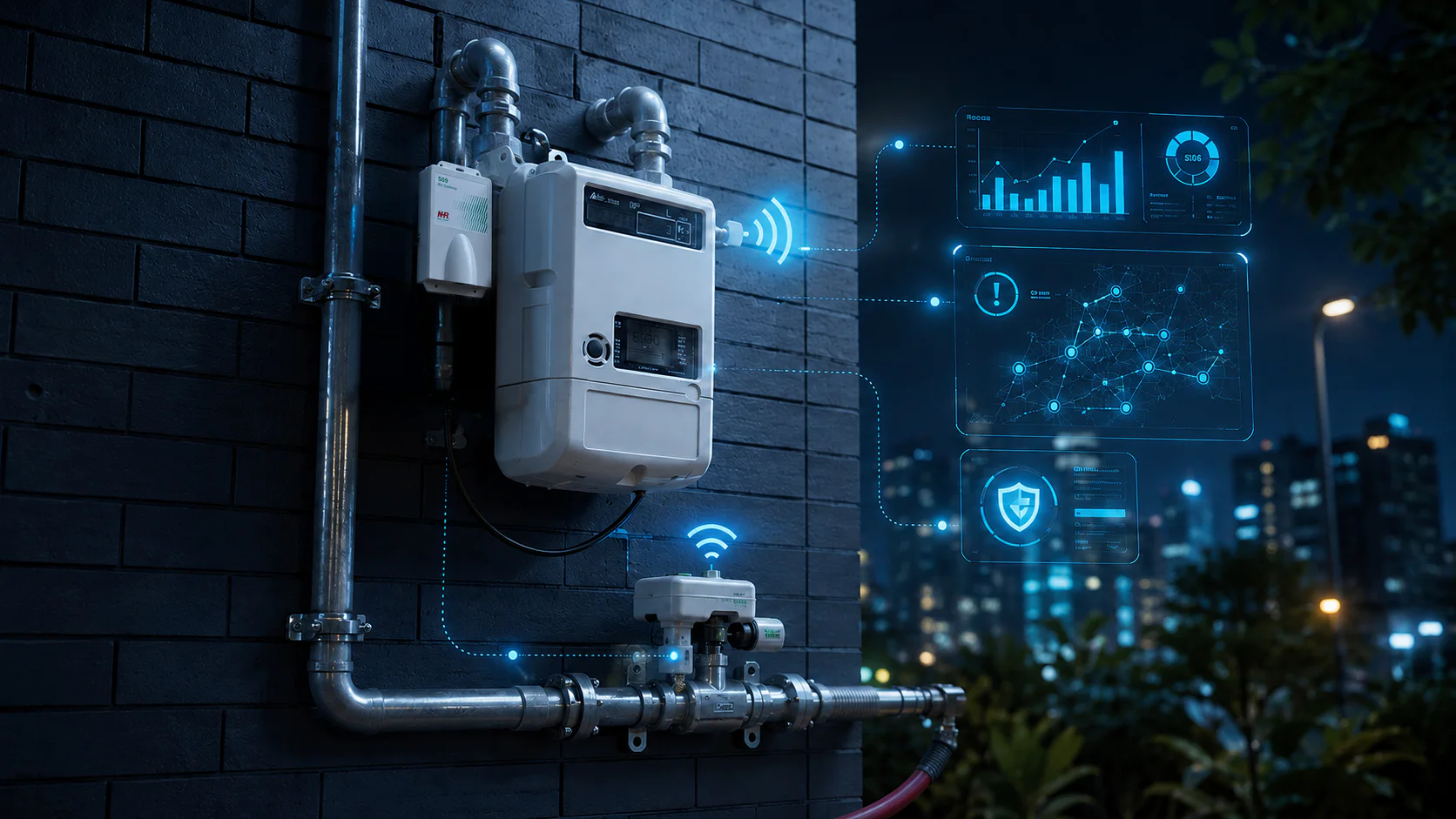
Project Profile
- Region: Taiwan
- Category: Energy
- Products: S10
Operational Value
- Anomaly Review — Prioritize checks using usage and meter records (Control capability depends on integration)
- Operational objective — Lower manual meter-reading workload (not a measured project outcome)
- Centralized Metering — Unified view of usage and meter status (Operational visibility)
Case Snapshot
Meter readers making the rounds house by house, once a month, is still how many gas utilities in Taiwan operate today. The routine consumes scheduling and labor, and when abnormal usage or a suspected leak occurs, someone still has to reach the site before anything can be confirmed. This gas utility deployed S10 communication sensors to send meter data wirelessly to a backend platform, so usage tracking and safety response no longer depend entirely on a physical visit.
Problem
Every Reading Still Waits on a Visit
Traditional gas meter data collection depends on staff visiting each site on a schedule. The routes, the scheduling, and the labor behind it are a real operating cost, and usage data is always a step behind. When abnormal consumption or a suspected leak appears, the manual process only slows down diagnosis and on-site response.
Meter data, notifications, and on-site inspection records can help reconstruct an event timeline. Unusual consumption does not by itself confirm a leak; the operator must assess it through the relevant inspection process.
Solution
Confirm Meter Reporting Before Defining Alerts and Control
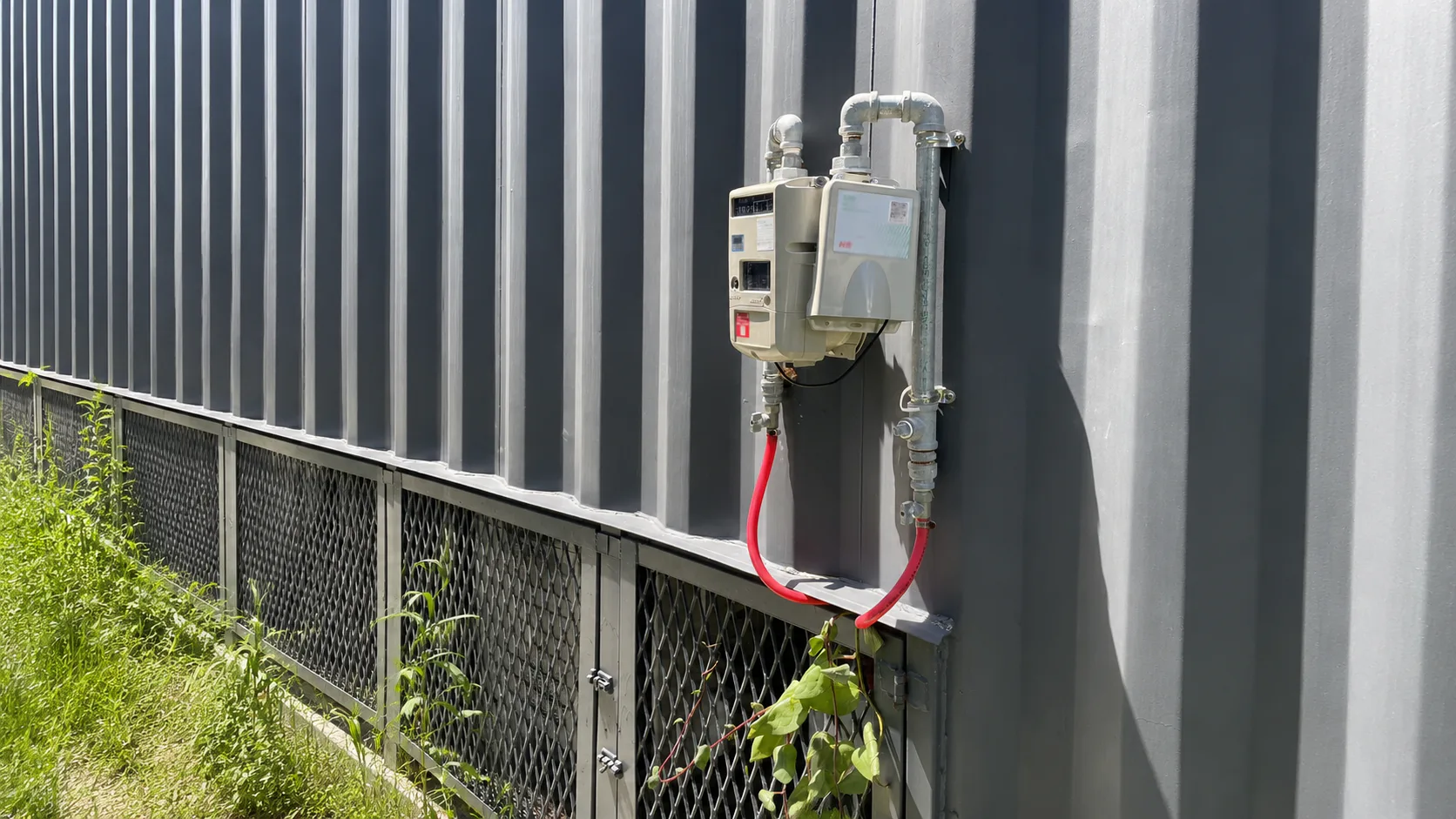
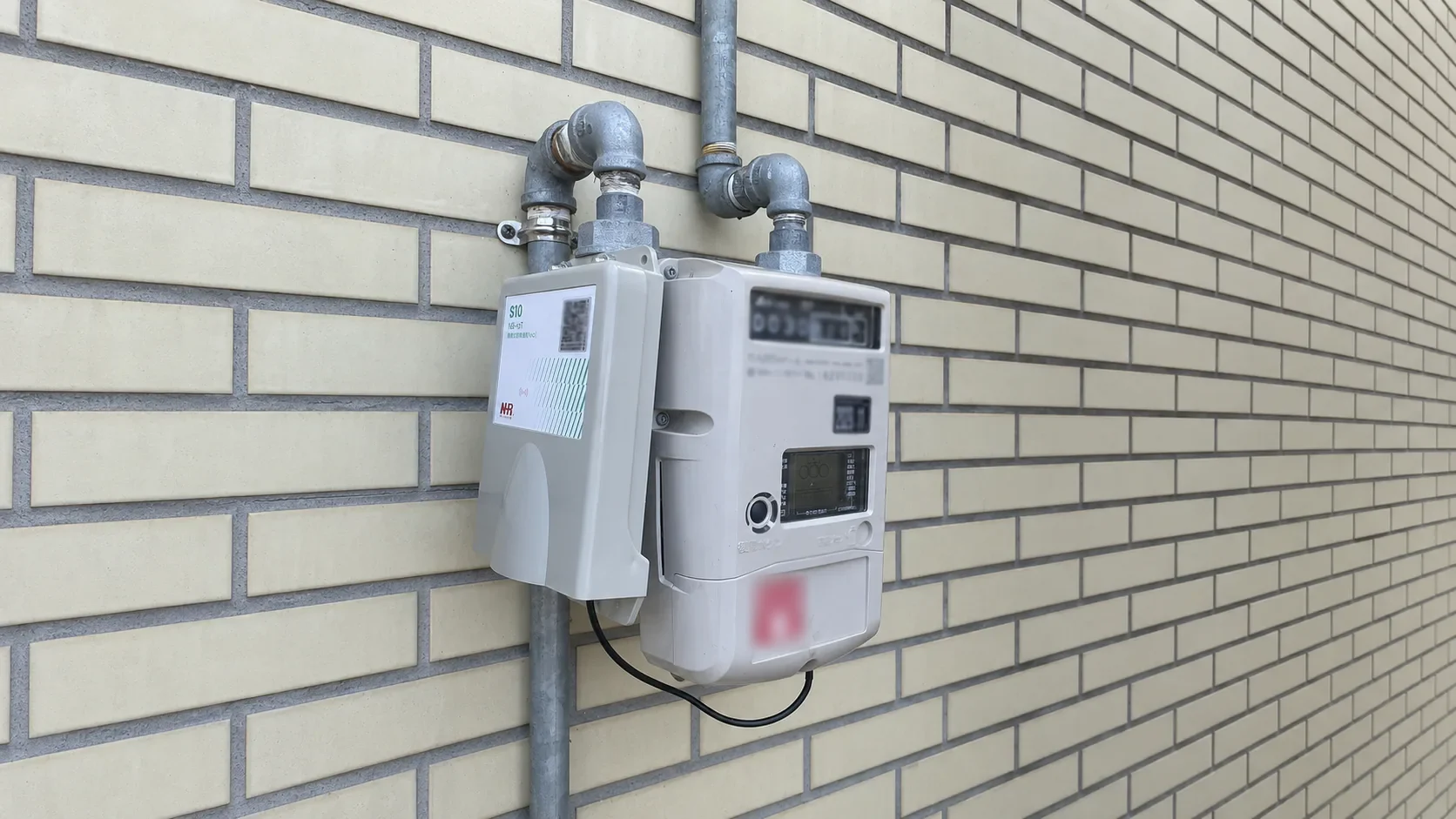
With S10 communication sensors in place, gas meter data is transmitted wirelessly to a backend utility platform. Operators can check meter status and identify unusual consumption trends remotely, without visiting each household to pull the data.
Data reporting, alerts, and valve control are separate capabilities. A communication sensor alone does not establish that all three are implemented. A remote shutoff requirement needs confirmation of compatible meters and actuators, operator permissions, command acknowledgement, and loss-of-communication handling, followed by engineering and operational validation. The available material does not establish that remote shutoff or supply restoration is enabled at this site.
Value
Fewer Trips Out, Less Time Waiting
Usage and meter records can help teams prioritize inspections and reduce visits made solely to obtain readings. Any reduction in visits or response time needs comparison against operating records; a platform display alone does not establish these outcomes.
Data retention and the completeness of inspection records still require validation against the actual workflow.
Next Step
Map the current abnormal-use response and shutoff workflow first, then determine how remote readings, alerts, and shutoff functions would need to fit the existing SOP.
Explore Solutions / Talk to an Expert
Image Gallery
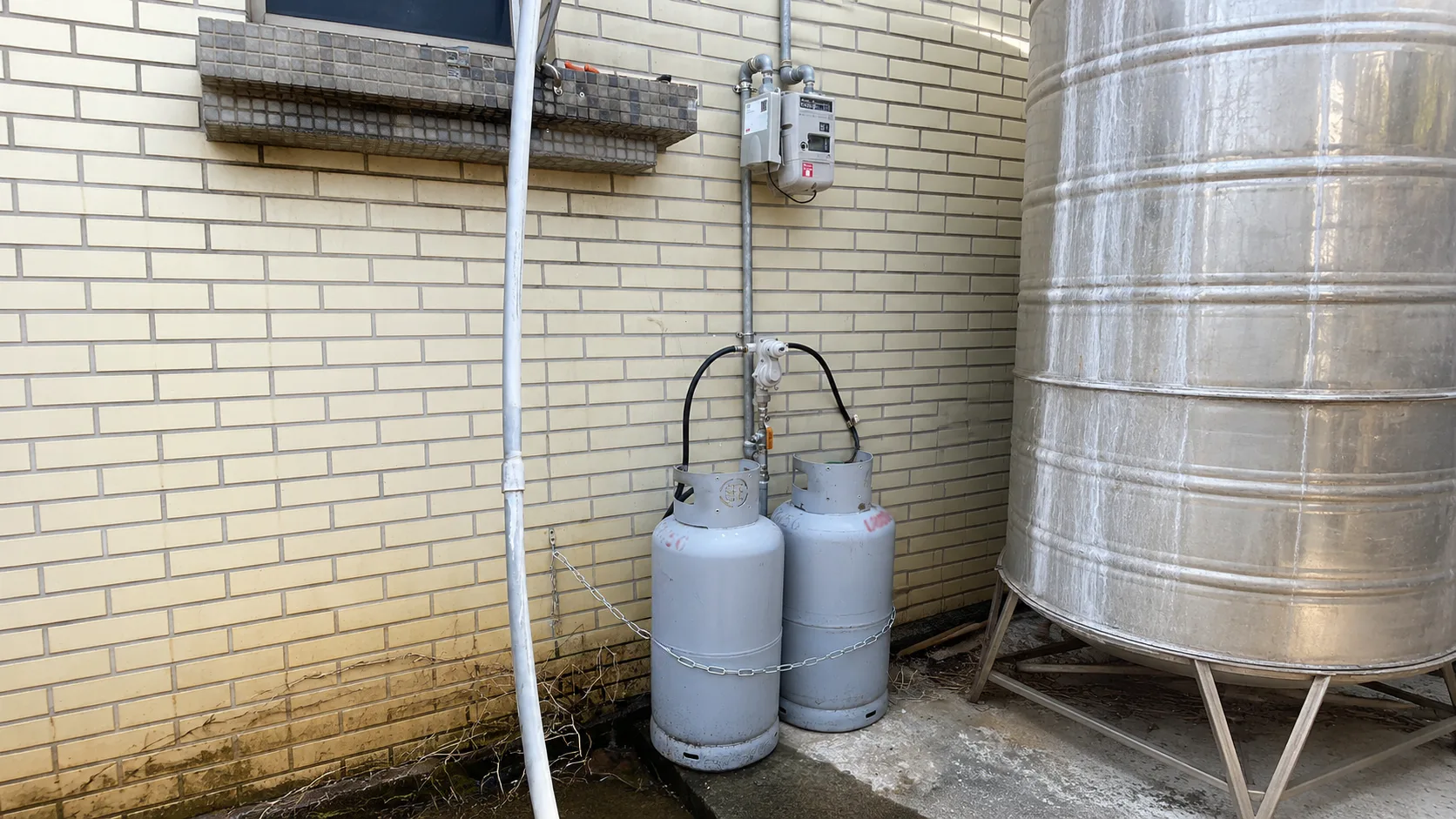
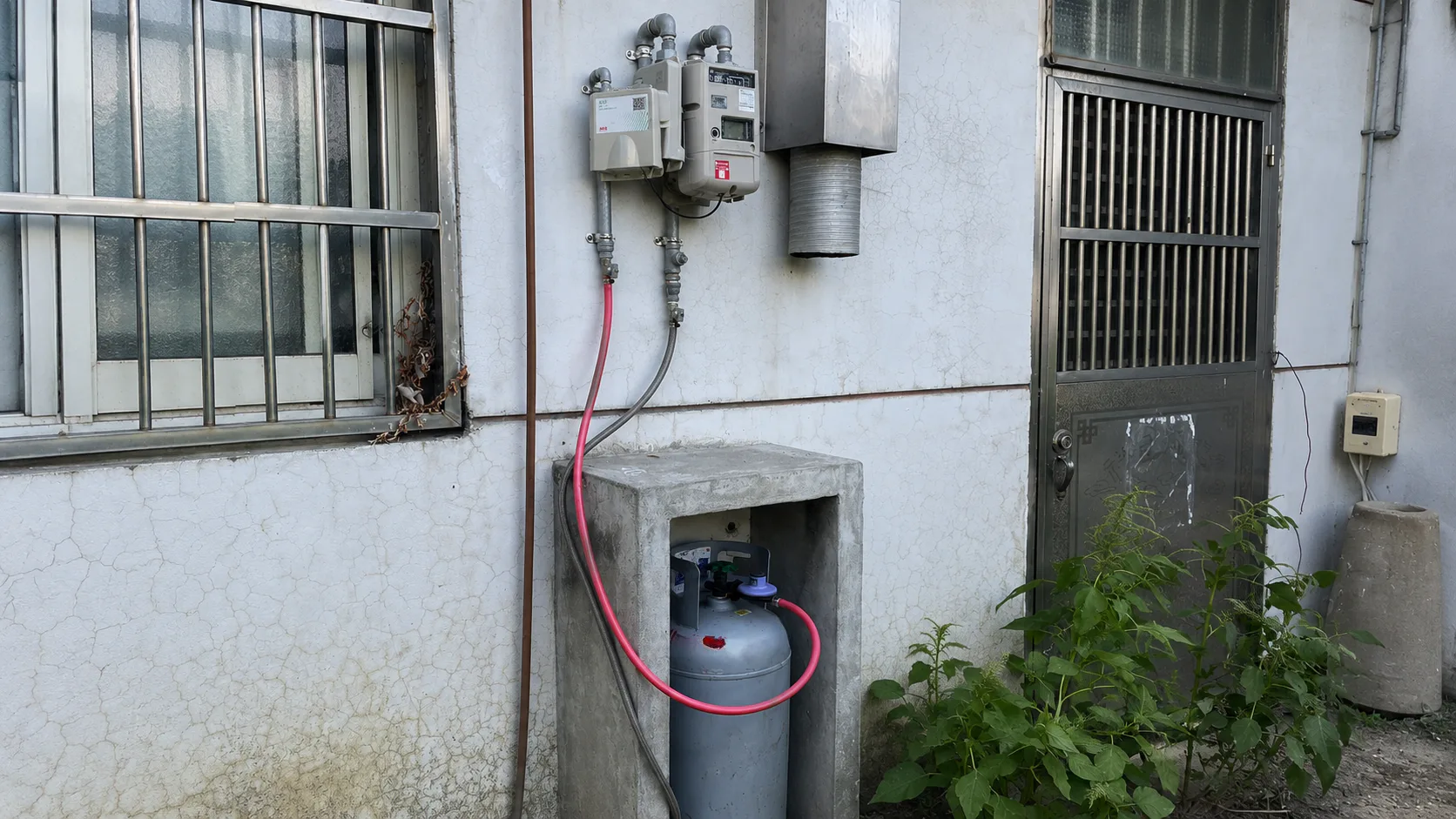
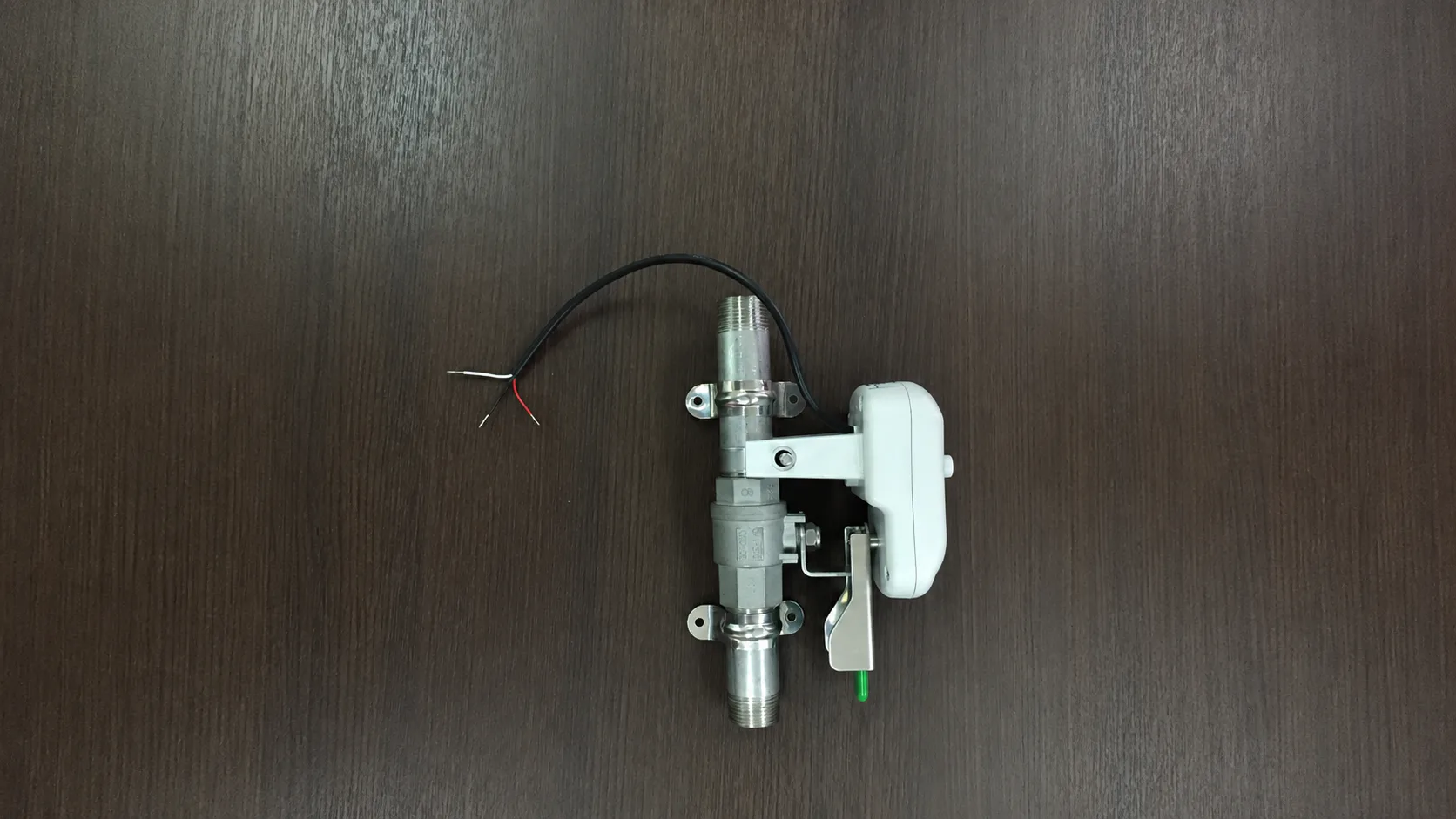
Valve assembly reference: this image shows a component on a tabletop, not an installed or commissioned remote shutoff system. Compatibility and site integration remain subject to engineering confirmation.
Notes
- Every site is different; deployment plans and outcomes should be assessed by qualified professionals against actual site conditions.
*Illustrative image