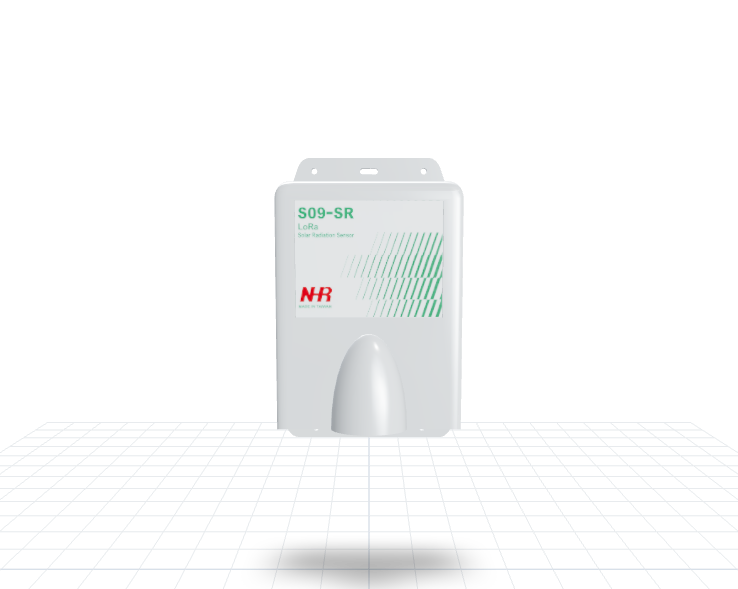
Smart CO₂ Inventory Monitoring: Proactive Refill Planning for Industrial Sites in Taiwan
Waiting for a near-empty tank forces rush deliveries, sometimes overnight. S09 reports CO₂ level and pressure trends so refills can be planned with the supplier.
Project Profile
- Region: Taiwan
- Category: Industrial
- Products: S09
Operational Value
- Real-Time — Tank level and pressure visibility (Inventory awareness)
- Refill planning — Low-level reminders considered alongside usage trends and delivery lead time
- Operational objective — Fewer emergency refill dispatches (not a measured project outcome)
Case Snapshot
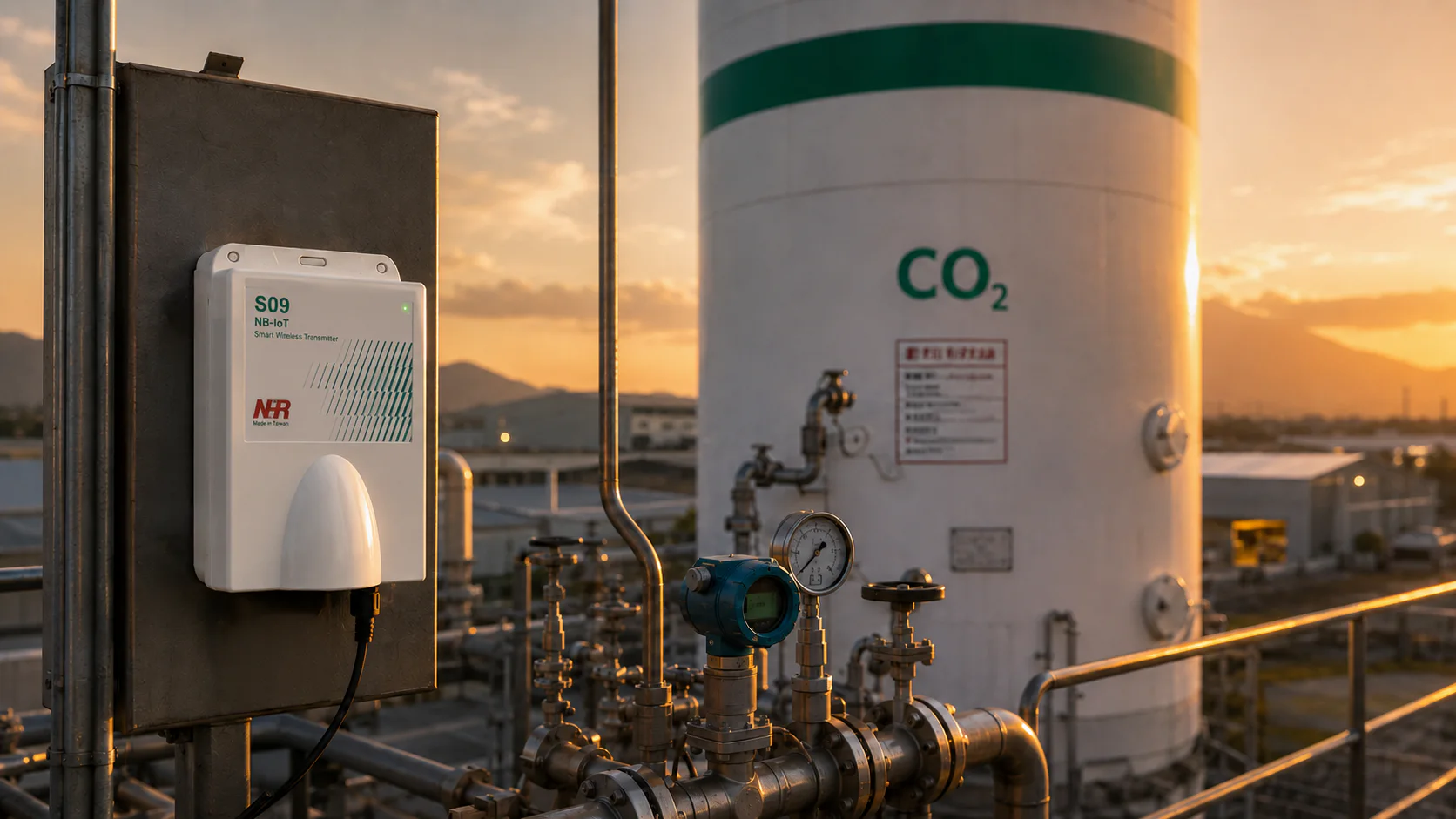
CO₂ replenishment requires visibility into tank conditions as well as time for dispatch and delivery. This Taiwan industrial case retains existing level and pressure instruments and uses an S09 transmitter to report data over NB-IoT, supporting remote checks and refill planning.
Problem
Refill Requests Waited Until Tanks Ran Dry
Factories that depend on a steady CO₂ supply struggle to spot a declining inventory trend early when tank status is tracked through manual checks, phone reports, or field experience alone. When a refill request only goes out once a tank is nearly empty, suppliers and site teams are left arranging urgent dispatch, sometimes overnight.
If a refill genuinely does not arrive in time, a CO₂-dependent line can be forced to slow down or stop, and every minute spent waiting on supply is lost capacity. That kind of gap rarely shows up on a production schedule until it happens, leaving the floor to react on the fly.
Solution
Existing Level Sensors Gain a Remote View
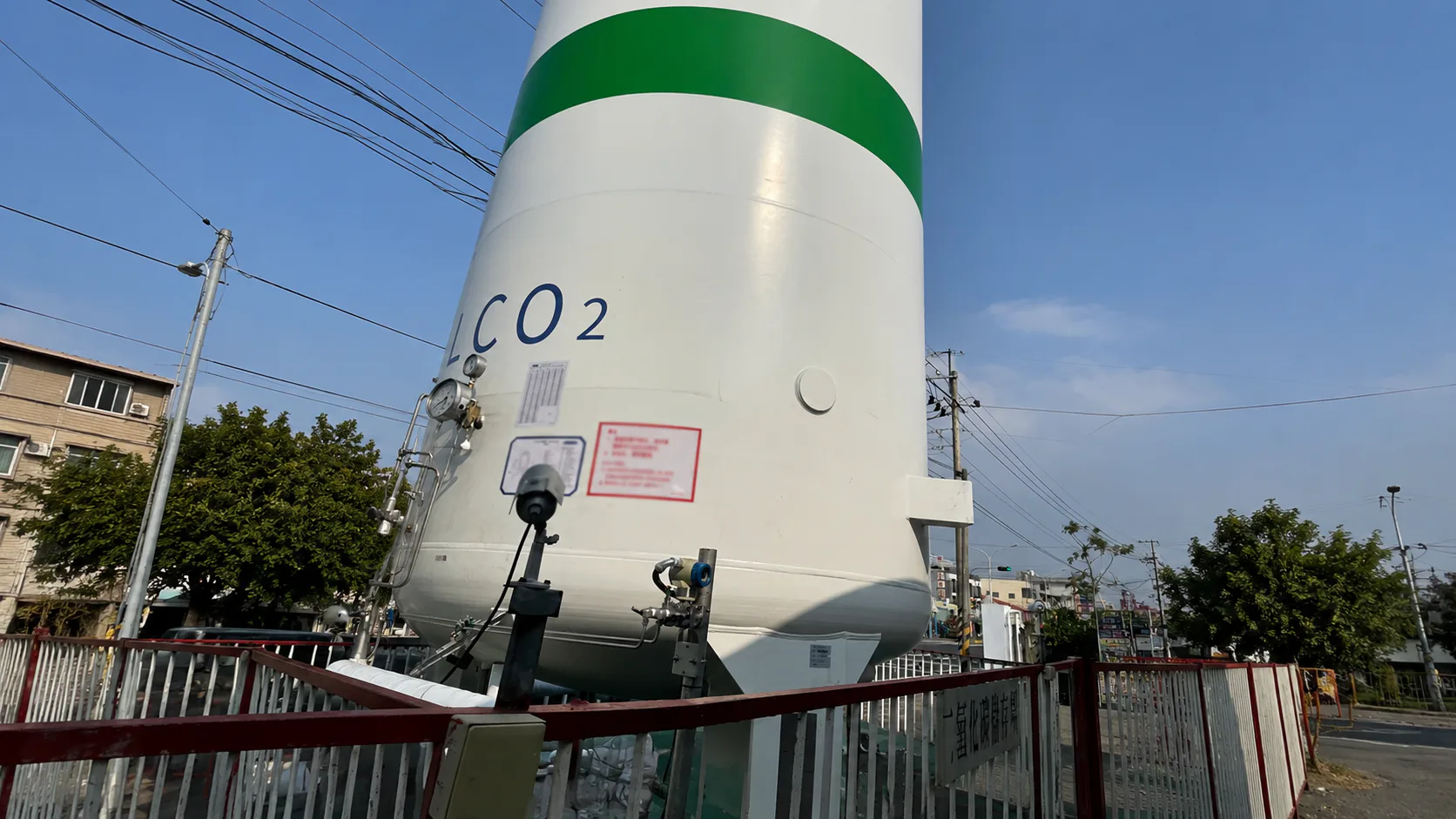
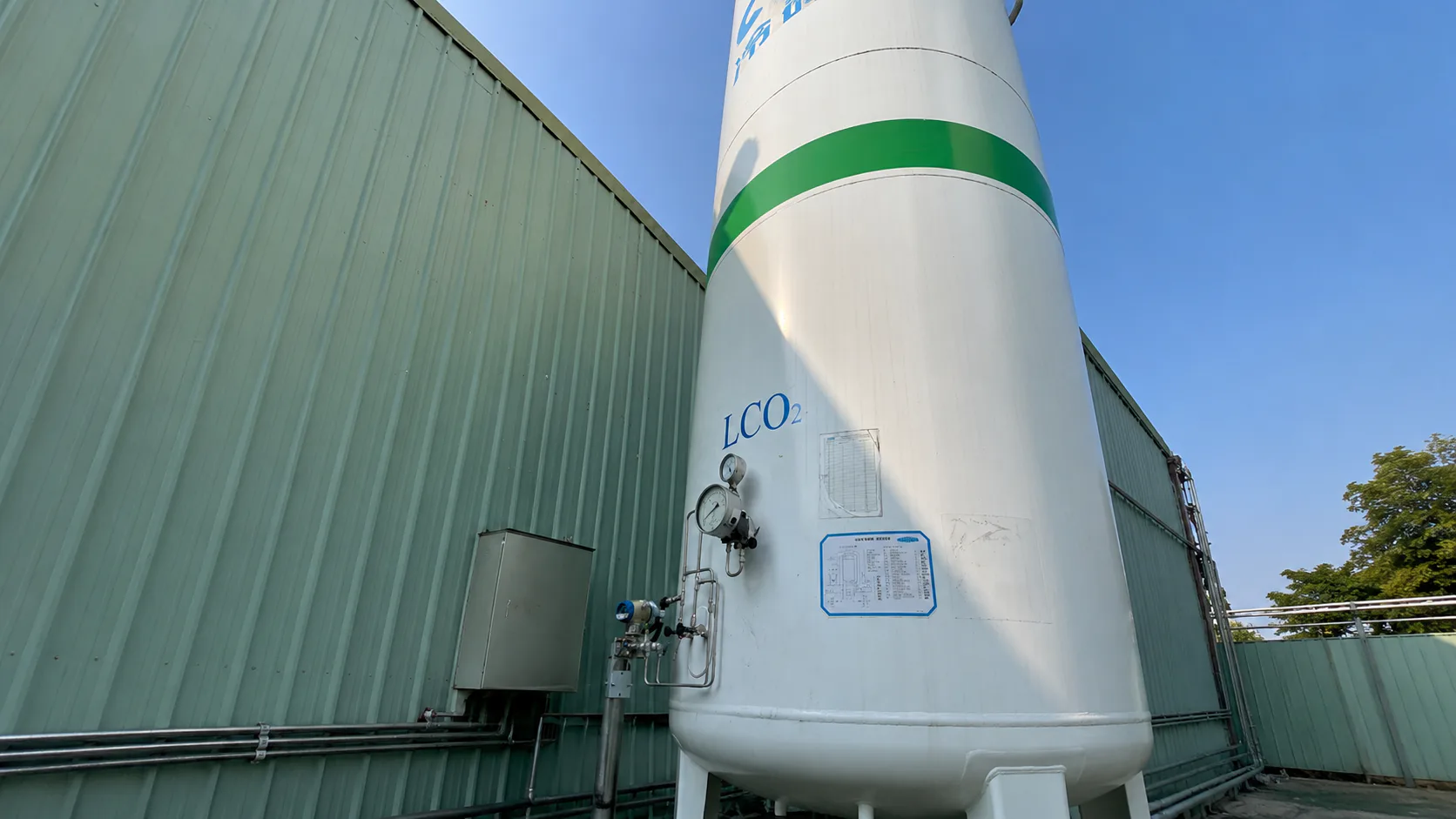
An S09 industrial wireless transmitter connects directly to the site's existing CO₂ tank level and pressure sensors, sending data over NB-IoT to a central monitoring platform. Operators can check level and pressure remotely instead of relying solely on manual rounds.
The platform should distinguish raw level and pressure readings from calculated inventory. A displayed mass or remaining volume needs tank-specific data, a conversion method, and verification; a single pressure reading should not be treated directly as remaining kilograms.
Value
Tank Trends Inform Delivery Planning
Remote records give suppliers and site teams a shared basis for discussing refill timing, routes, and receiving conditions.
Next Step
Provide the existing level- and pressure-sensor models and interfaces to check whether the current instruments can remain in place with a wireless communications layer added on top.
Explore Solutions / Talk to an Expert
Image Gallery
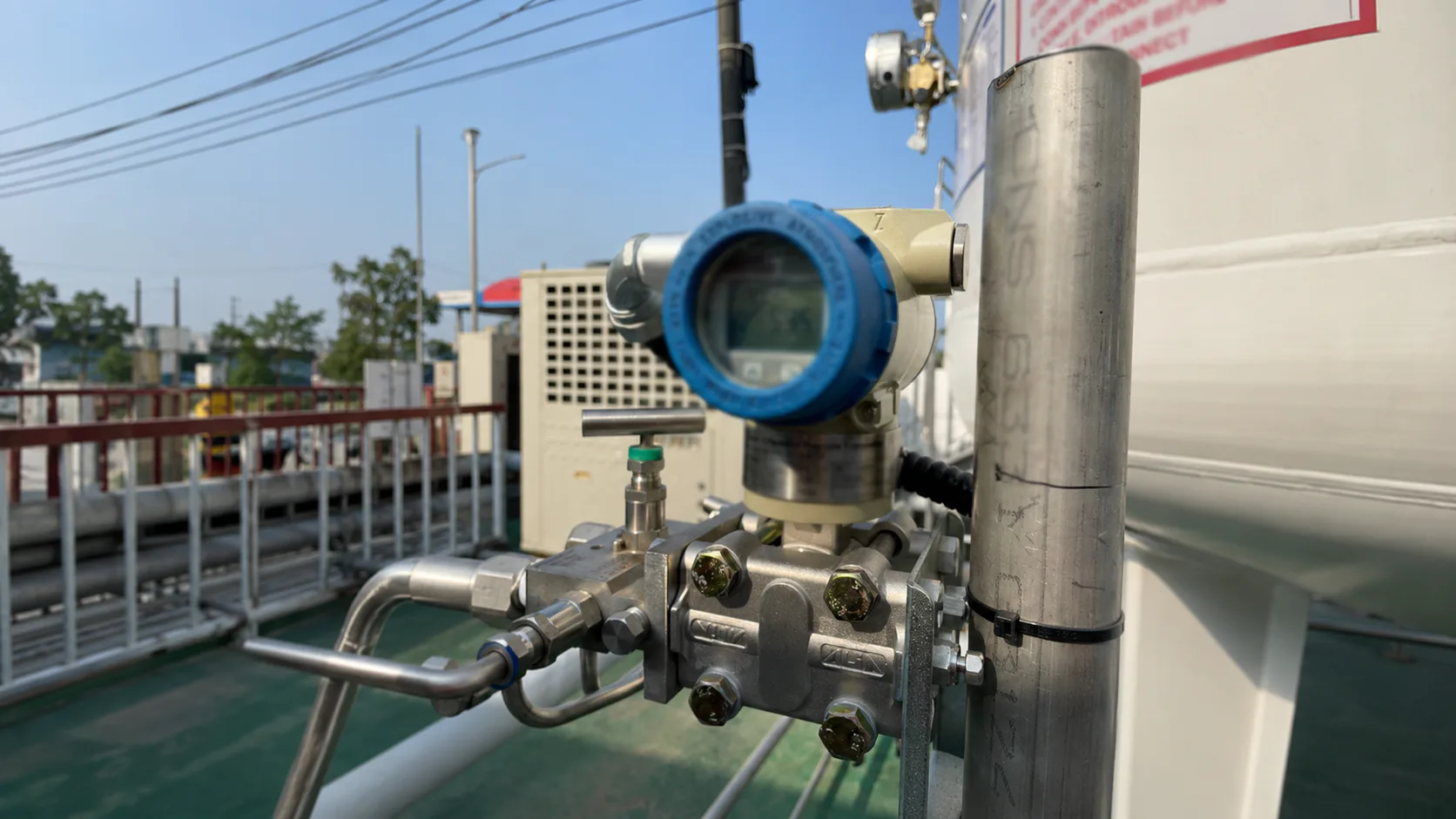
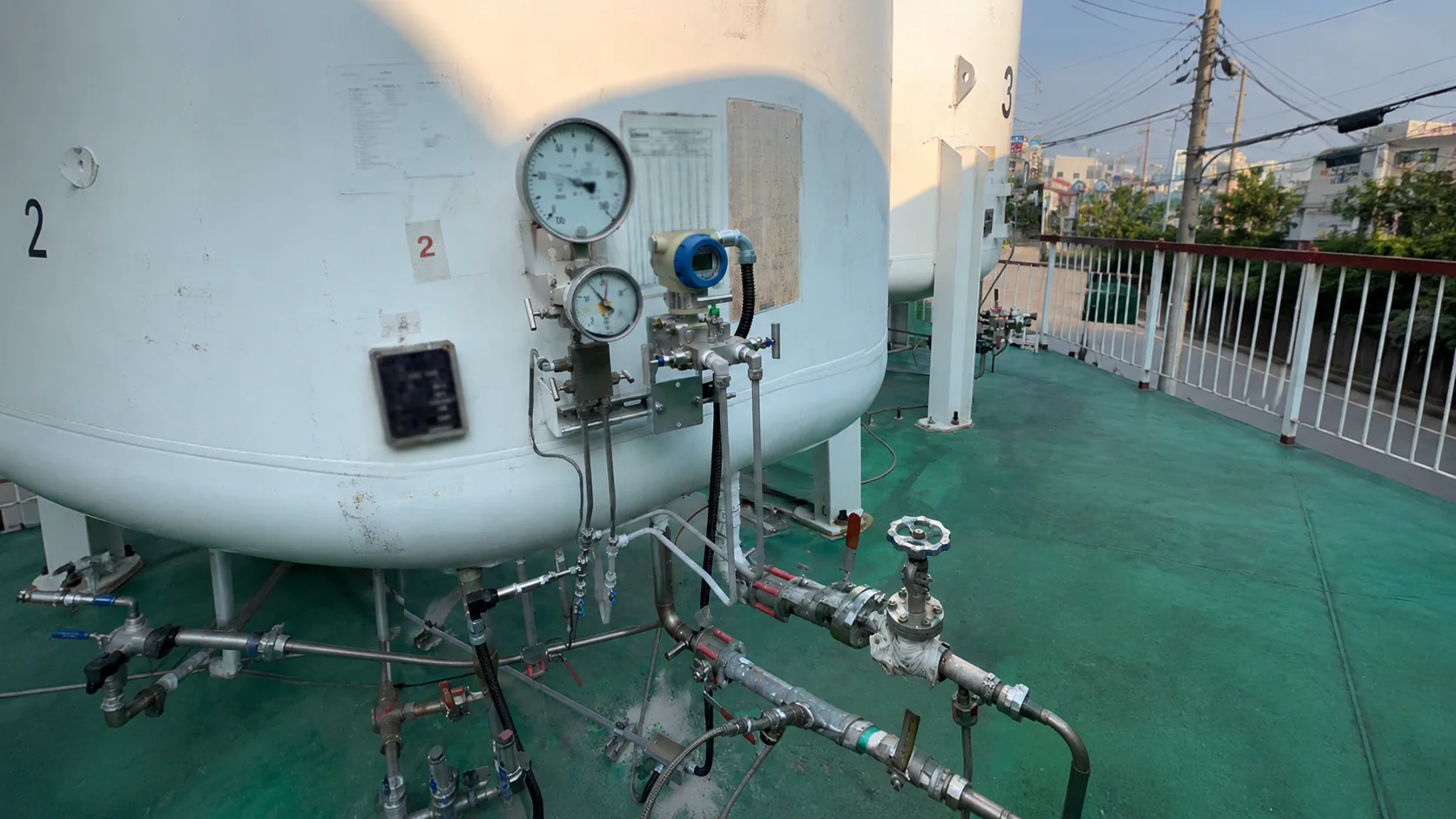
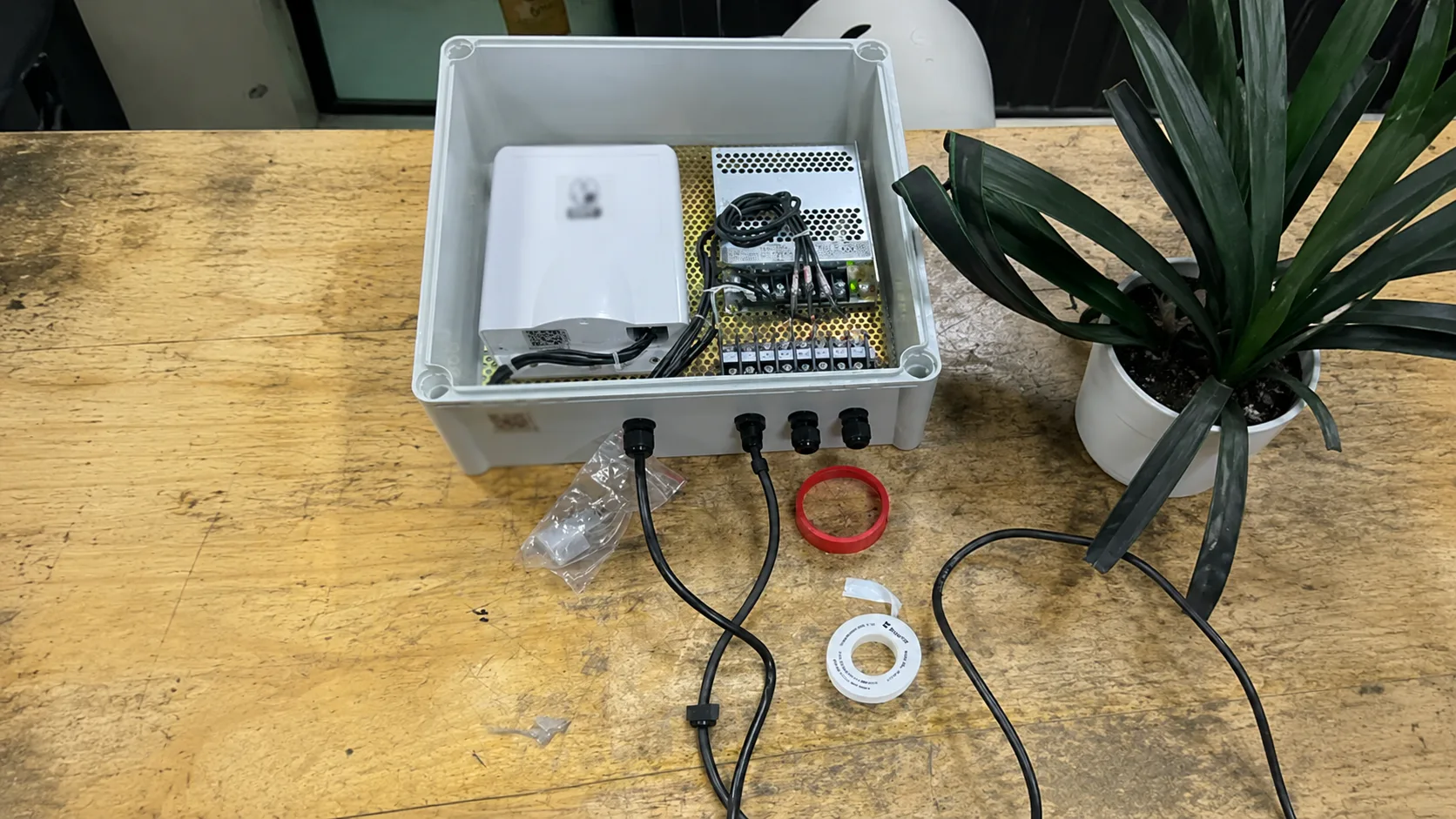
An assembly record, not evidence of completed tank-site installation or safety acceptance.
Notes
- Retaining existing instruments requires confirming signal interfaces, ranges, units, calibration and electrical compatibility, and checking that added reporting does not disrupt existing monitoring.
- Refill thresholds should account for usage trends, delivery lead time and operating reserve; interrupted or overdue reports should be marked so stale data is not mistaken for current inventory.
- Operators still confirm replenishment decisions; monitoring does not place orders automatically or guarantee supply.
- Wireless reporting does not replace existing tank safety protection, inspections or emergency procedures, and pressure-safety functions are not transferred to the cloud.
- Fewer urgent dispatches is an operational objective that requires before-and-after comparison; no historical overnight-dispatch counts are supplied, so it is not presented as a verified result.
- Every site is different; deployment plans and outcomes should be assessed by qualified professionals against actual site conditions.
*Illustrative image