
Smart Classroom Energy Management in a Taiwan University Campus
Building totals can't show which classroom keeps drawing power after class. Room- and device-level monitoring pins waste to a location, so savings work knows where to start.
Project Profile
- Region: Taiwan
- Category: Energy
- Products: Wireless Energy Sensor
Operational Value
- Room-Level — Classroom- and device-level power visibility (Granular detail)
- Off-Hours — Standby and idle power detection (Waste localization)
- Operational objective — Lower power use when rooms are unoccupied (not a measured project outcome)
Case Snapshot
A building's total electricity bill shows overall usage. It doesn't show which classroom, or which computer, is still drawing power after the last class of the day. At a Taiwan university campus, energy data had stopped at the building and floor level, leaving actual waste invisible. Wireless energy sensors and a central monitoring platform broke usage data down to individual classrooms and devices, letting the energy team see, room by room, where consumption was really happening.
Problem
Totals Show Usage, Not Which Room
University campuses run large numbers of classrooms packed with computers, projectors, and teaching equipment. When energy management stops at the building or floor level, administrators have no way to know which room is actually responsible for the load. Computers and devices left on after class, in the evening, or during unused periods create a kind of waste that rarely shows up on its own.
What actually stalls these proposals in budget review is the lack of room- and device-level data. Reviewers ask which rooms to prioritize and how much a fix would actually save; without evidence, the proposal often gets sent back. Abnormal usage still only turns up once the next bill lands, long after it could have been caught.
Solution
Every Classroom Gets Its Own Usage Record
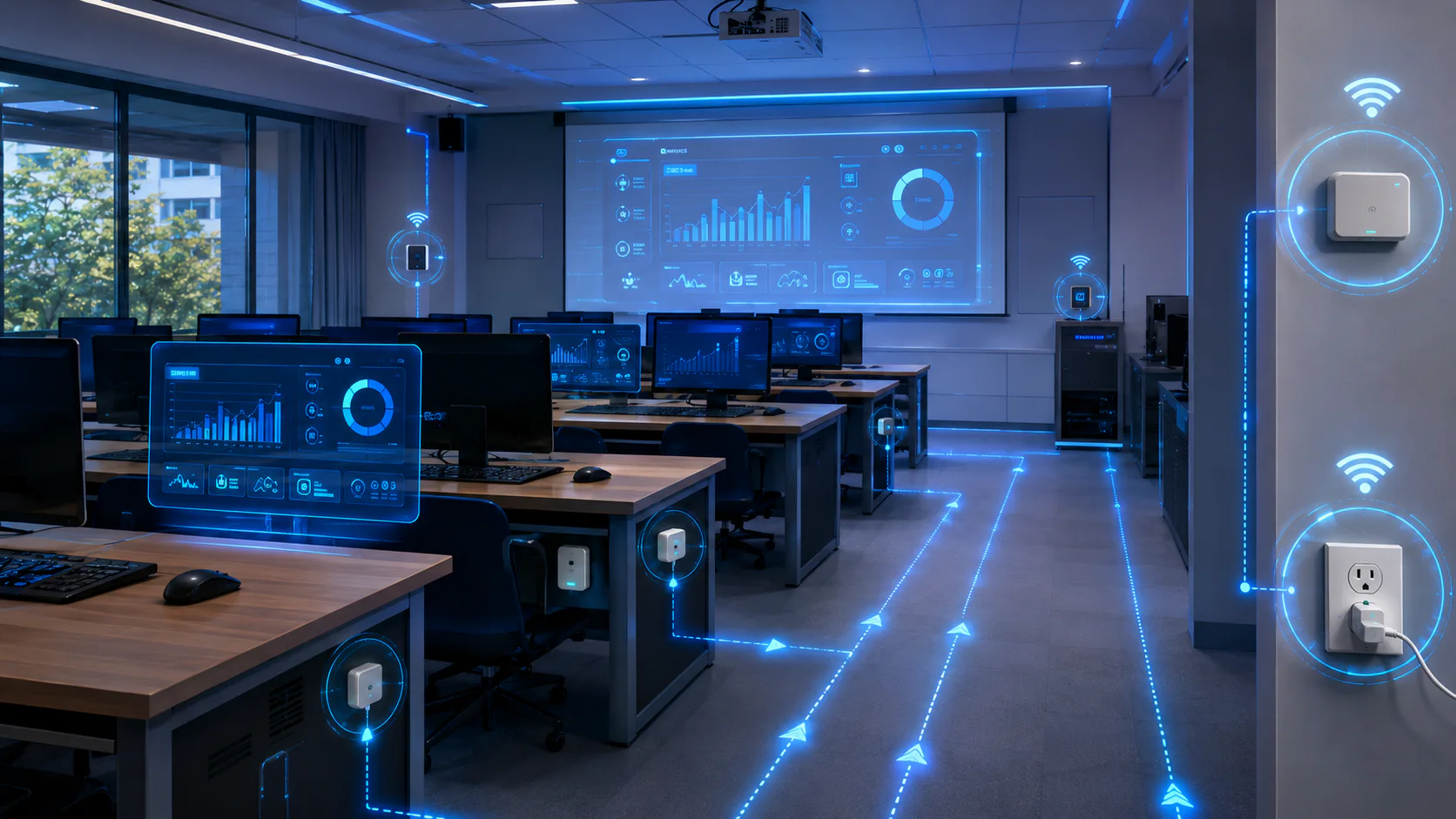
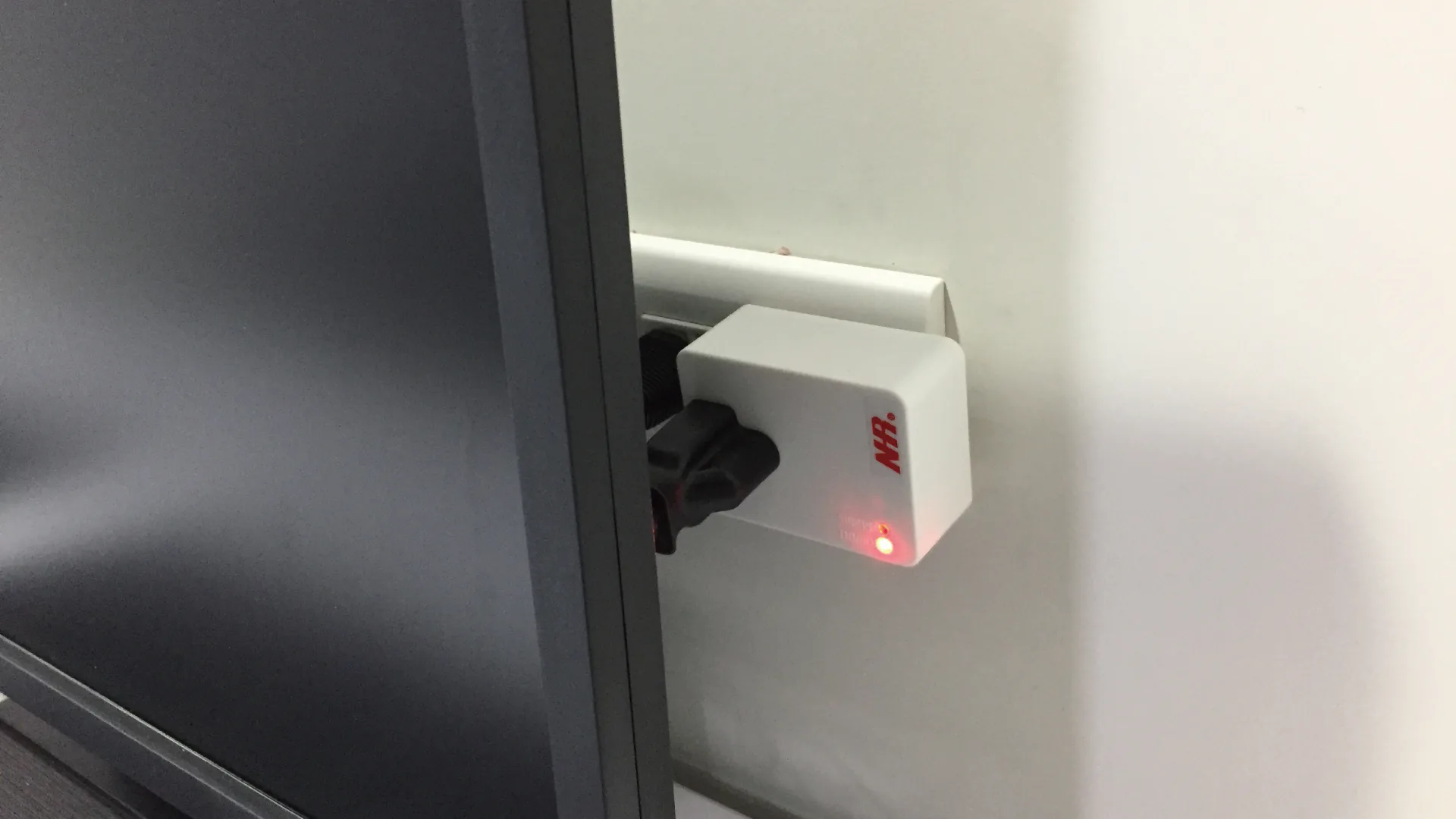
Wireless energy sensors were deployed in selected classrooms to monitor computers and teaching equipment, feeding data to a central energy monitoring platform. Administrators can view and compare usage across rooms remotely, spotting exactly which devices keep running outside scheduled teaching hours.
The low-disruption installation matters as much as the data itself: no rewiring or major construction is needed to bring monitoring down to the classroom and device level. That fit suits older campus buildings just as well as new ones — waste becomes visible before any renovation is even on the table.
Value
Waste Finally Gets a Room Number
Waste no longer has to be a guess. The facilities team can now see exactly which classroom, and which device, keeps running after class ends, without waiting for the next bill to reveal it. Energy-saving proposals gain a concrete basis, too — something to show budget reviewers.
For universities, schools, and other multi-room facilities, energy management moves from a campus-wide estimate to action aimed at specific rooms, devices, and time windows — prioritizing the clearest sources of waste and giving sustainability targets a more solid operational footing.
Next Step
Share classroom layouts, schedules, and major electrical loads to identify where after-hours standby consumption is most likely and prioritize monitoring accordingly.
Explore Solutions / Talk to an Expert
Image Gallery
Notes
- Every site is different; deployment plans and outcomes should be assessed by qualified professionals against actual site conditions.
*Illustrative image
