Real-Time Climate Monitoring for Museum Preservation in the Netherlands
The building itself cannot be altered, so installation must respect conservation rules. S09 reports gallery and storage climate wirelessly, building a record to inform conservation decisions.
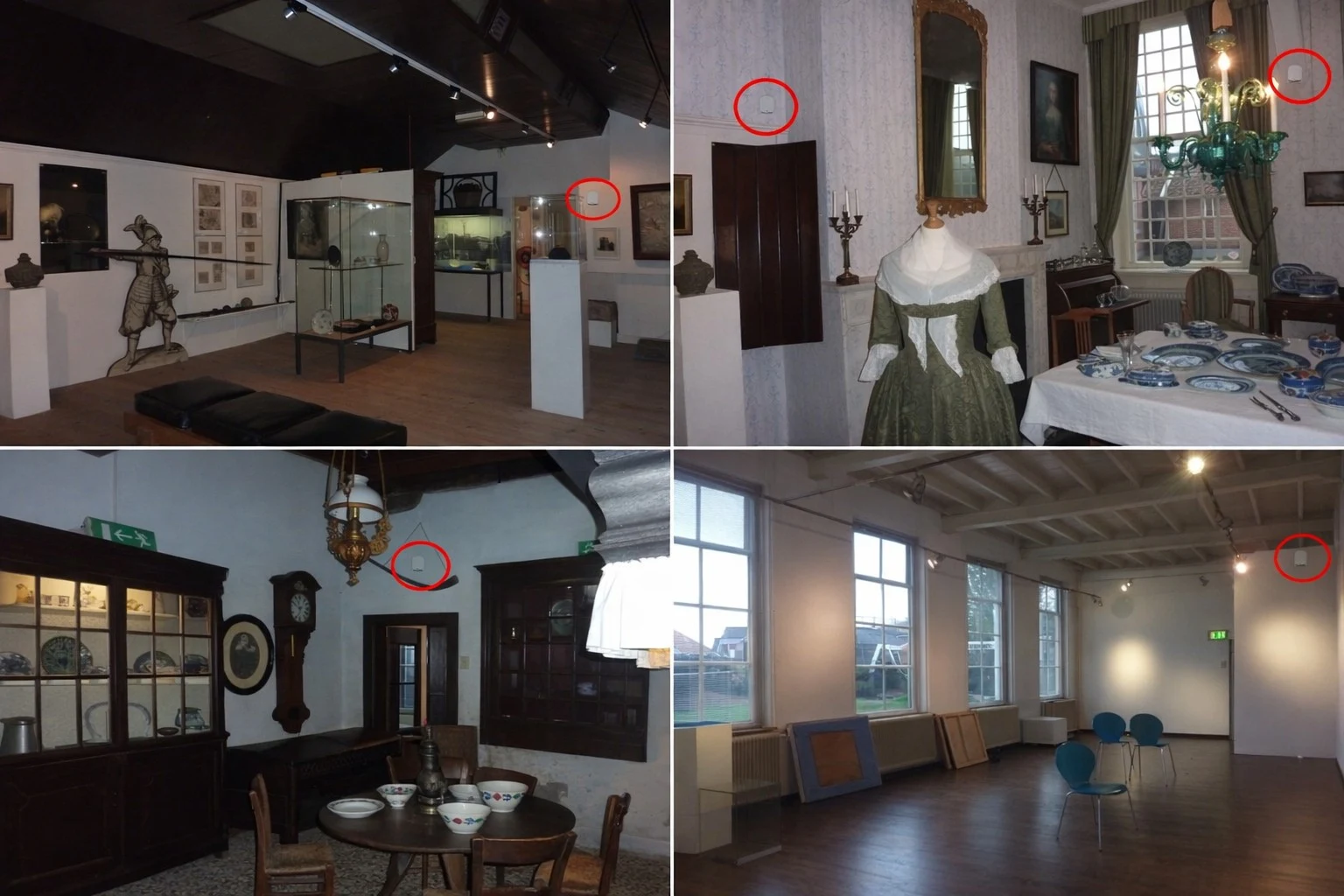
Exhibition-space photographs from the supplied case material; red circles are retained from the original image to indicate monitoring locations.
Project Profile
- Region: Netherlands
- Category: Industrial
- Products: S09
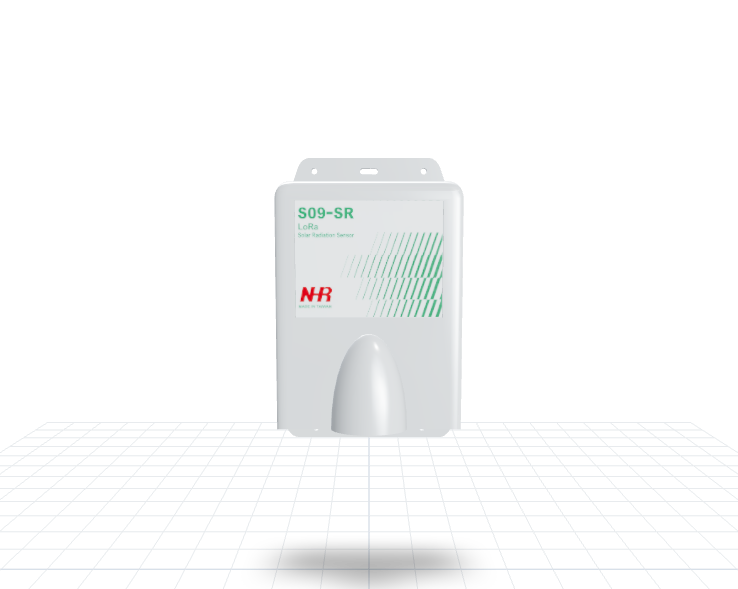
S09 transmits sensor data; the measurement parameters described here are provided by the connected external sensors.
Management Objectives
- Environmental records — Compare temperature and humidity at monitored locations over time.
- Installation planning — Reduce sensor cabling where suitable; confirm mounting, power and network arrangements on site.
- Exception review — Use configured thresholds and notifications to support staff checks, subject to reporting intervals and connectivity.
Case Snapshot
This Netherlands museum case focuses on monitoring temperature and relative humidity in exhibition and storage spaces. Sensors connected to S09 and a central platform provide a way to compare readings over time without treating a single manual measurement as a complete environmental record.
Problem
Protecting the collection without touching the building
Different collections may require different environmental conditions. The conservation team should define monitoring locations, acceptable ranges and the significance of a deviation for the objects concerned. Ambient readings are evidence about the monitored location, not a direct measurement of an object’s condition or a guarantee of preservation.
Manual rounds provide useful observations but cannot by themselves describe changes between visits. Timestamped records can help staff review those intervals, provided missing readings, sensor maintenance and communication interruptions are also visible.
Solution
Connect readings with the actions staff need to take
The solution uses S09 transmitters connected to external temperature and humidity sensors to report environmental readings to a central monitoring platform.
Where threshold notifications are configured, a deviation can prompt staff to check the reading and the local conditions.
Value
Build a record that supports conservation decisions
The practical value is a shared record of monitored conditions, exceptions and follow-up checks. Staff can compare periods and locations, investigate changes and document their response.
Next Step
Start with the building plan, collection zones and environmental requirements. Review sensor locations, approved mounting methods, power and network arrangements, then agree reporting intervals, notification recipients and acceptance checks.
Notes
- Wireless communication can reduce signal cabling, but mounting, gateway power and network needs must be assessed and approved for the site; a blanket “zero-impact” claim does not apply.
- Placement should represent the managed areas—conditions inside a closed display case cannot be inferred from a sensor elsewhere—and reporting intervals, calibration or verification, battery checks and coverage should be confirmed for the installation.
- Delivery depends on the configured reporting and notification path; an alert is not proof of corrective action, and environmental adjustment remains an operational decision.
- Record retention, access and export requirements should be agreed with the museum and any relevant loan partners.
- Monitoring supports professional conservation work without replacing or certifying it; this case does not establish a measured reduction in collection damage, a verified multi-year operating history or compliance with insurance and loan conditions.
- Every site is different; deployment plans and outcomes should be assessed by qualified professionals against actual site conditions.
Explore Solutions / Talk to an Expert