
Personalized VIP Room Automation: Smart Guest Experience for a Luxury Hotel in Taiwan
VIP preferences lived on paper and rooms were reset at every stay. RCU-01 combines lighting, air conditioning and curtains into scenes for consistent preparation and handovers.
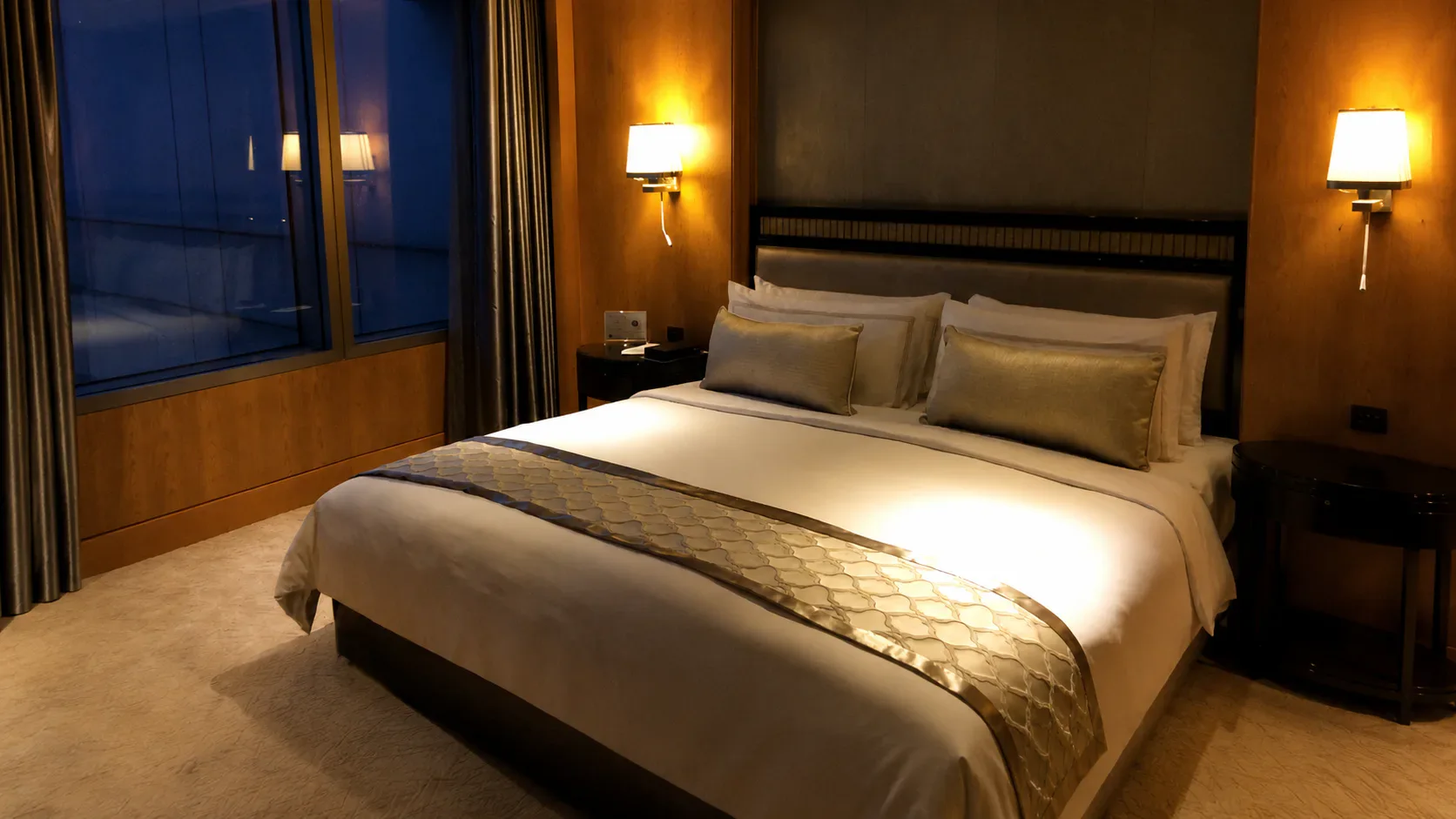
Project Profile
- Region: Taiwan
- Category: Industrial
- Products: RCU-01
Operational Value
- 3-in-1 — Integrated control of lighting, HVAC, and shades (Single-scene control)
- Scene settings — Applying preferences requires authorized data, room mapping, and service-workflow integration
- Operational objective — Shorter room-preparation time (not a measured project outcome)
Case Snapshot
Temperature, lighting, and shades are part of room preparation. This Taiwan hotel case uses an RCU-01 room control unit to bring those three device groups into coordinated scenes. Personalization is an integration task supported by service workflows and correct data, not a claim that the equipment identifies guests on its own.
Problem
Preferences Live on Paper, Not in the Room
Luxury hospitality lives in the small details guests notice immediately. VIP guests typically have clear preferences for room temperature, lighting, and shading, and when every stay requires re-asking, manual adjustment, or item-by-item confirmation, both service efficiency and consistency suffer.
When preferences and room status sit in separate records, staff need repeated checks and handovers. Integrated control can support a consistent preparation workflow.
Solution
Lighting, HVAC, and Shades in One Motion
The RCU-01 room control unit integrates lighting, HVAC, and motorized shades.
Room scenes can adjust several devices together, while retaining guest control and defining manual overrides, loss-of-connection behavior, and fault handling.
Value
Room Scenes Give Shifts a Common Reference
Bringing lighting, HVAC, and shades into one scene makes preparation steps explicit and gives different shifts a common operating reference.
The integration also provides a basis for reviewing lighting, HVAC, and shading strategies.
Next Step
Start with one representative VIP room and map its lighting, HVAC, shades, and check-in workflow to assess whether personalized automation fits the service model before wider rollout.
Explore Solutions / Talk to an Expert
Image Gallery
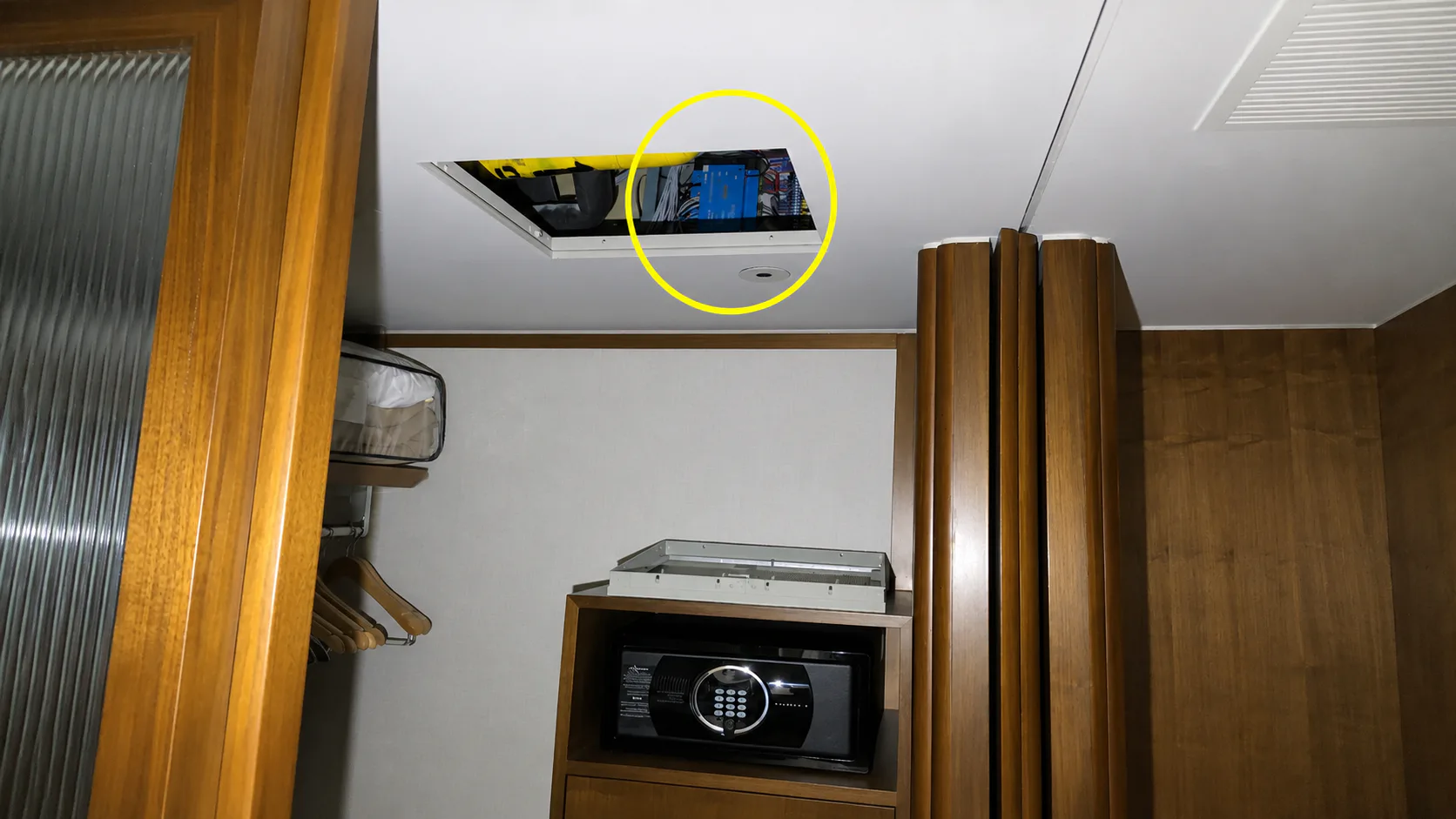
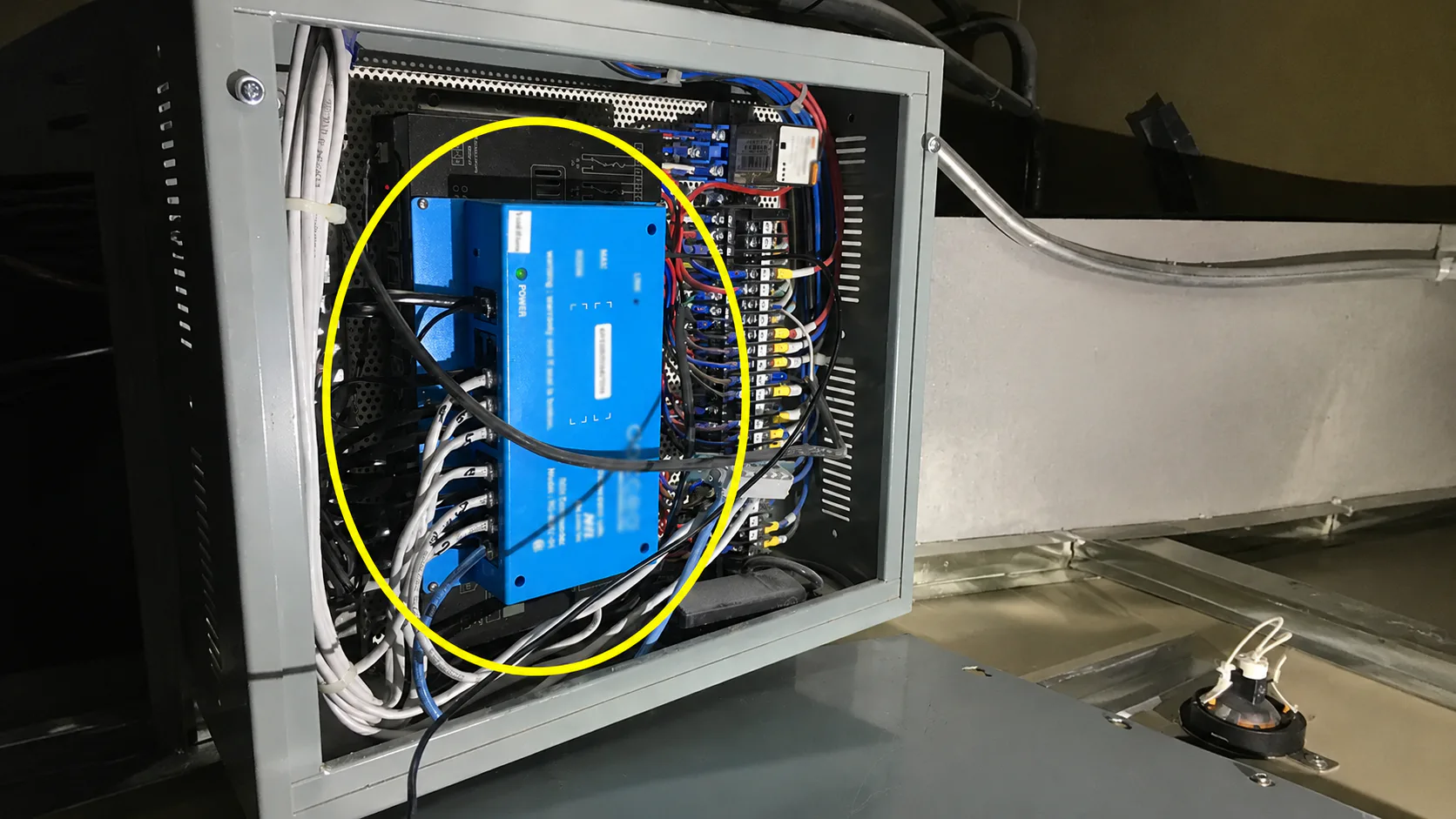
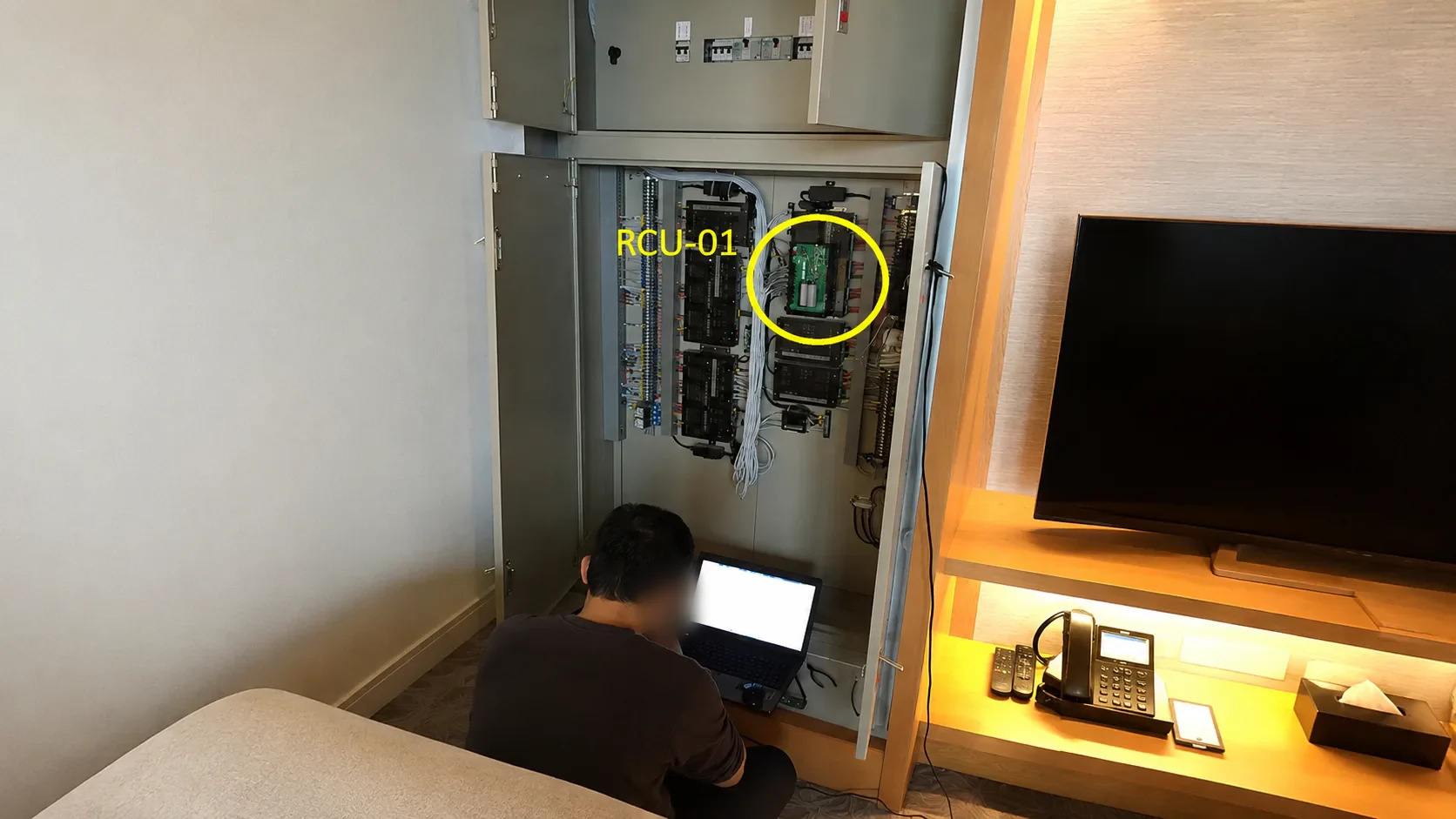
Notes
- Applying preferences from check-in information requires room-management integration, correct guest-to-room mapping, authorized data use and defined triggers; a controller alone does not establish guest identification or memory across stays.
- Check-out, room changes and new arrivals need rules for clearing or reapplying settings; sunlight-responsive shades need compatible sensing inputs, interfaces and rules, tested in a representative room first.
- This case provides no before-and-after figures for online ratings, repeat bookings or staff hours from which to infer results.
- Energy performance requires comparing occupancy, comfort settings, operating hours and consumption; this case provides no verifiable electricity savings, and service workflows and energy strategies should be evaluated separately.
- Every site is different; deployment plans and outcomes should be assessed by qualified professionals against actual site conditions.