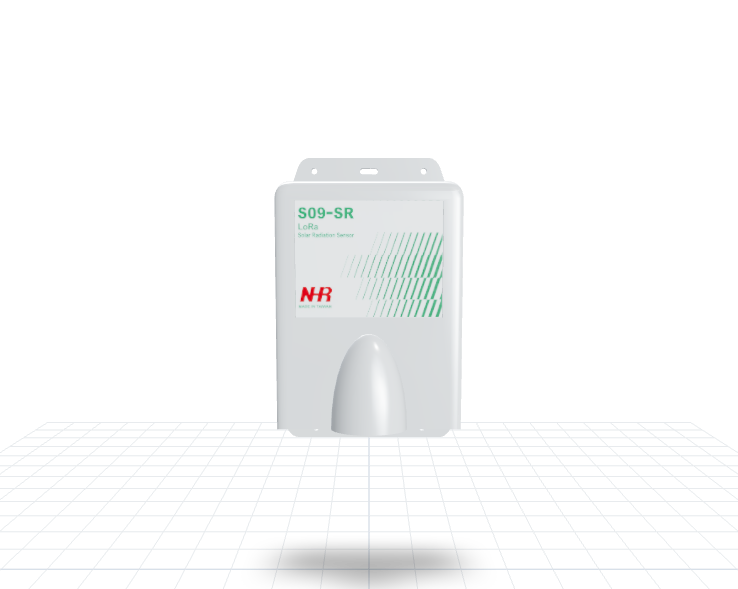
Street Lights That Report Their Own Status: NB-IoT Lighting Management for a Taiwan Municipality
Lights ran at full brightness and faults waited to be noticed. NB-IoT controllers report each light's status, so faults are visible centrally to help prioritize repairs.
Project Profile
- Region: Taiwan
- Category: Energy
- Products: NB-IoT
Operational Value
- Anomaly tracking — Status reports inform maintenance; dispatch requires an operational workflow
- Operational objective — Less wasted lighting energy (not a measured project outcome)
- Demand-Based Dimming — Brightness adjusted by time and ambient light (Energy optimization)
Case Snapshot
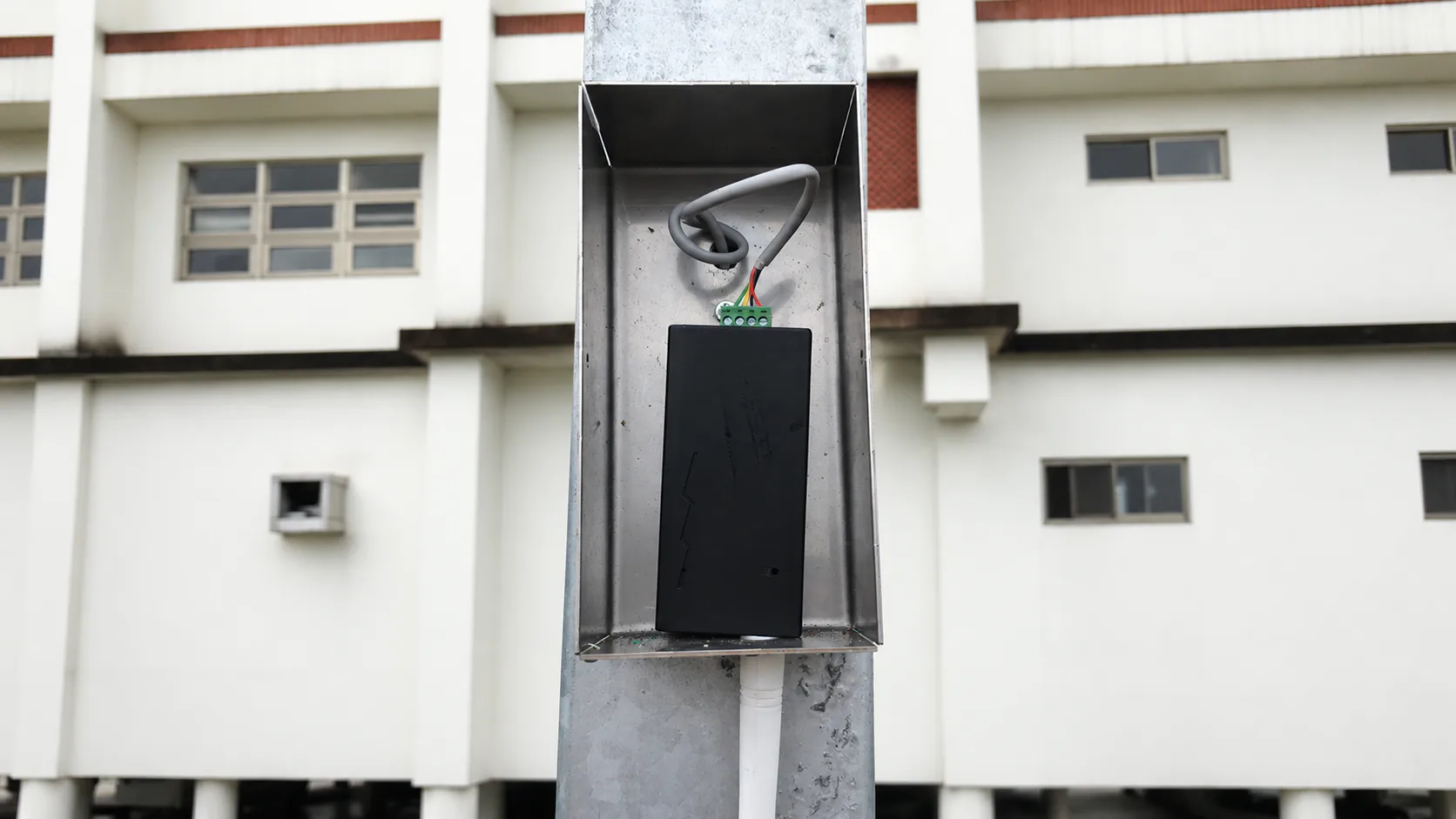
A broken street light is usually spotted by a passerby long before city hall finds out. That gap defined one municipal lighting operation in Taiwan, where fixed schedules made it hard to know each light's actual brightness needs or fault status. NB-IoT lighting controllers, paired with an S10 communication unit and the IoT View platform, brought dimming, scheduling, and fault alerts for the whole network into one place.
Problem
Full Brightness by Default, Faults Found by Accident
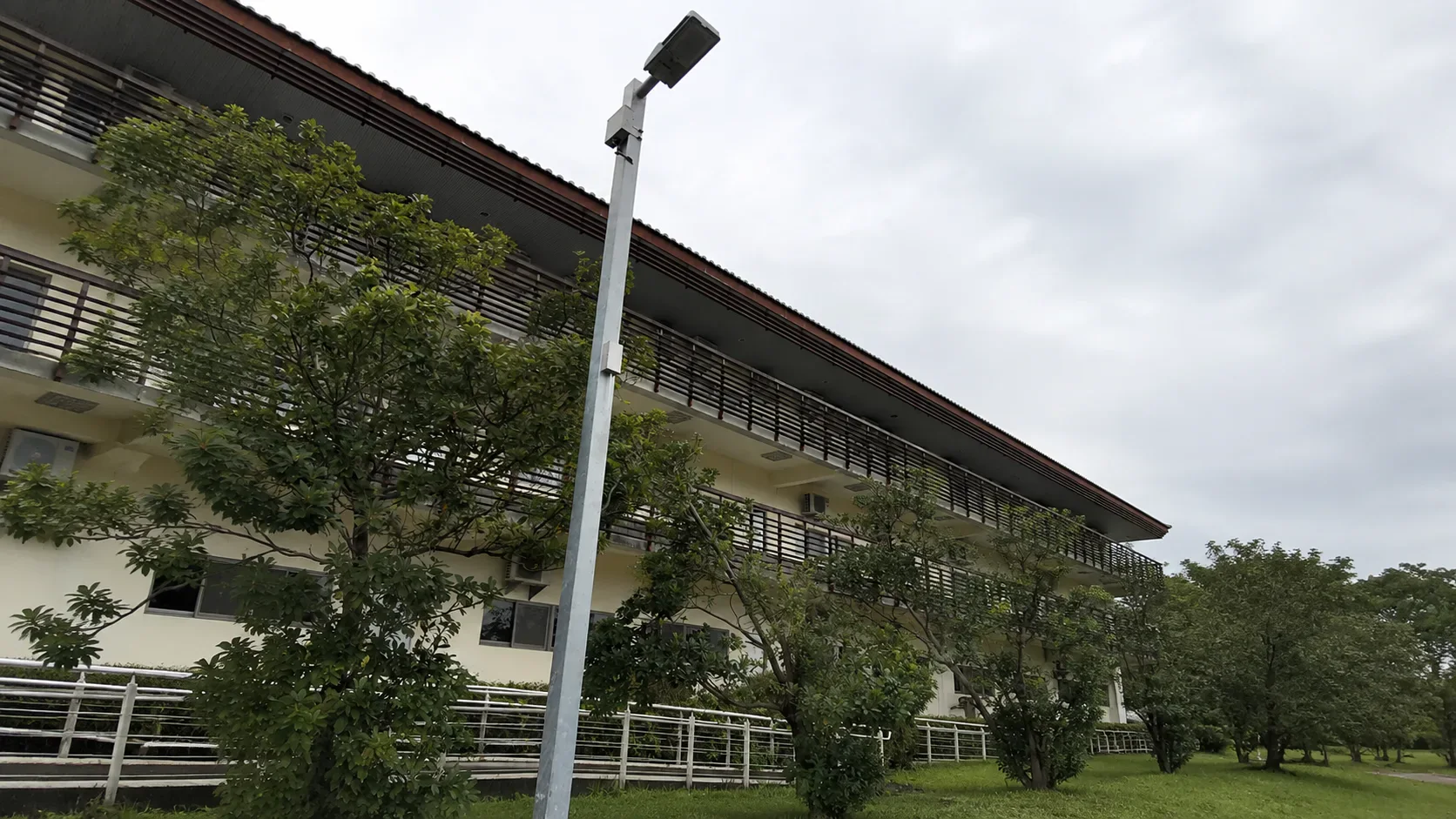
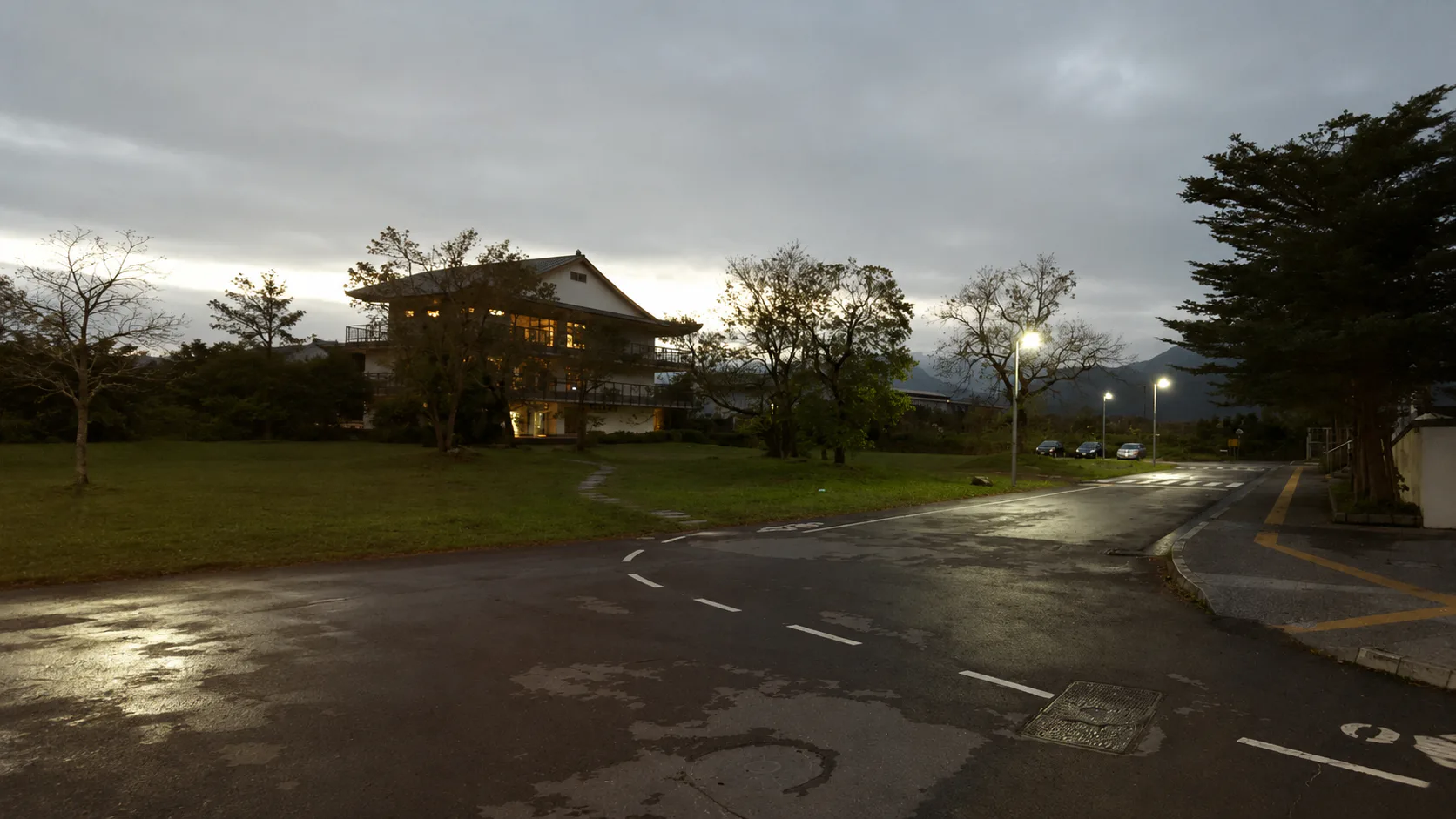
Municipal street lights are scattered across roads, public spaces, and infrastructure nodes. Running them on fixed on/off schedules with manual inspection makes it hard to adjust brightness for weather, ambient light, or local need — too bright wastes energy, too dim compromises road safety and makes public space feel less secure after dark.
Without continuing reports, teams may struggle to reconstruct status changes and compare conditions before and after maintenance. Location-linked records support investigation, but the last report, a communications interruption, and the actual fixture failure may have different timestamps and should be distinguished.
Solution
Brightness Follows Conditions, Faults Speak Up
This case brings individual-fixture control and status reporting into an IoT View management workflow. Scheduling, ambient-light responses, and PWM dimming each require confirmation of controller, driver, and platform compatibility. Ambient-light responses also need a suitable measurement input; connectivity alone does not establish that this function is available.
Device anomalies and communications interruptions should appear separately so teams can identify locations to inspect. Notification timing depends on reporting intervals, connectivity, and alert settings. Automatic work orders or dispatch require maintenance-workflow integration; an alert does not mean a crew has been dispatched. Control commands should have confirmed execution results, with a site lighting strategy defined for loss of connectivity.
Value
Lights Report Themselves Before Anyone Complains
Teams can review enrolled fixtures and their latest reported status centrally, using history to plan checks. Energy reduction is an operational objective that requires comparison of consumption, operating hours, and lighting conditions. This case provides no verifiable energy-saving statistics.
Reporting can add visibility between patrols, but does not guarantee detection of every fault or replace necessary field inspections. Linking anomaly, notification, dispatch, and repair timestamps provides a basis for assessing whether maintenance response improves.
Next Step
Share the current lighting-control method, fault-response workflow, and a representative road segment to define which dimming and alert functions the platform actually needs.
Explore Solutions / Talk to an Expert
Image Gallery
Notes
- Every site is different; deployment plans and outcomes should be assessed by qualified professionals against actual site conditions.