More Status Between Check-Ins: Lone Worker Monitoring for Tunnel Maintenance in Taiwan
For lone tunnel workers, the gaps between check-ins are the worry. Posture and connection anomalies feed the notification workflow, giving supervisors a lead on whom to contact.
Project Profile
- Region: Taiwan
- Category: Industrial
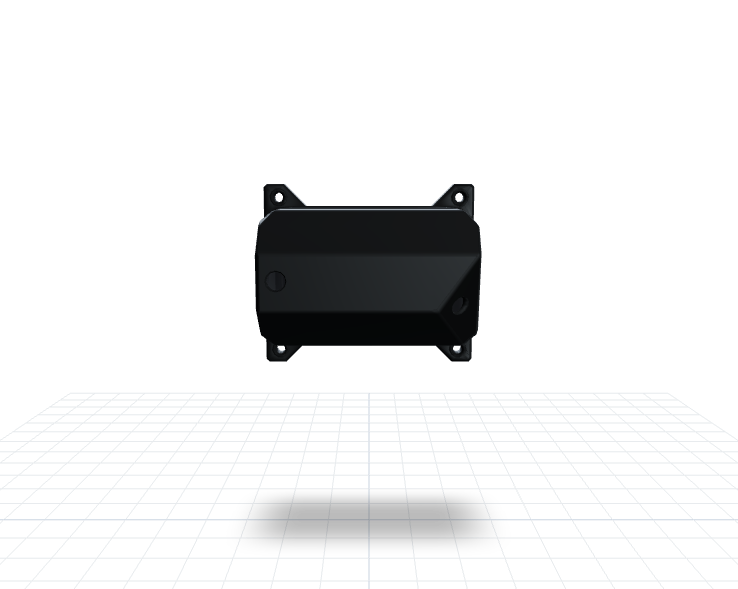
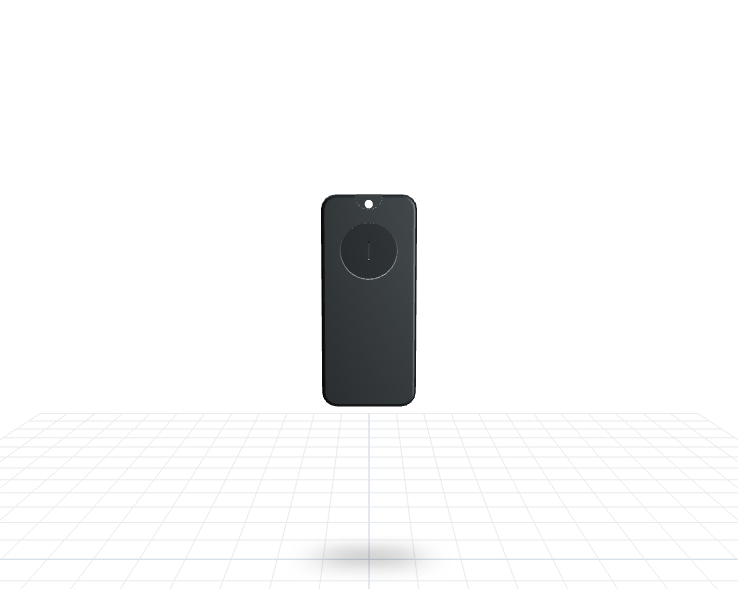
- Products: M20+T20
Operational Value
- Status monitoring — Posture and connectivity data for review (subject to device configuration and reporting conditions)
- Event response — Contact and on-site checks following an alert (not an incident diagnosis)
- Operational objective — Shorter incident-reporting time (not a measured project outcome)
Case Snapshot
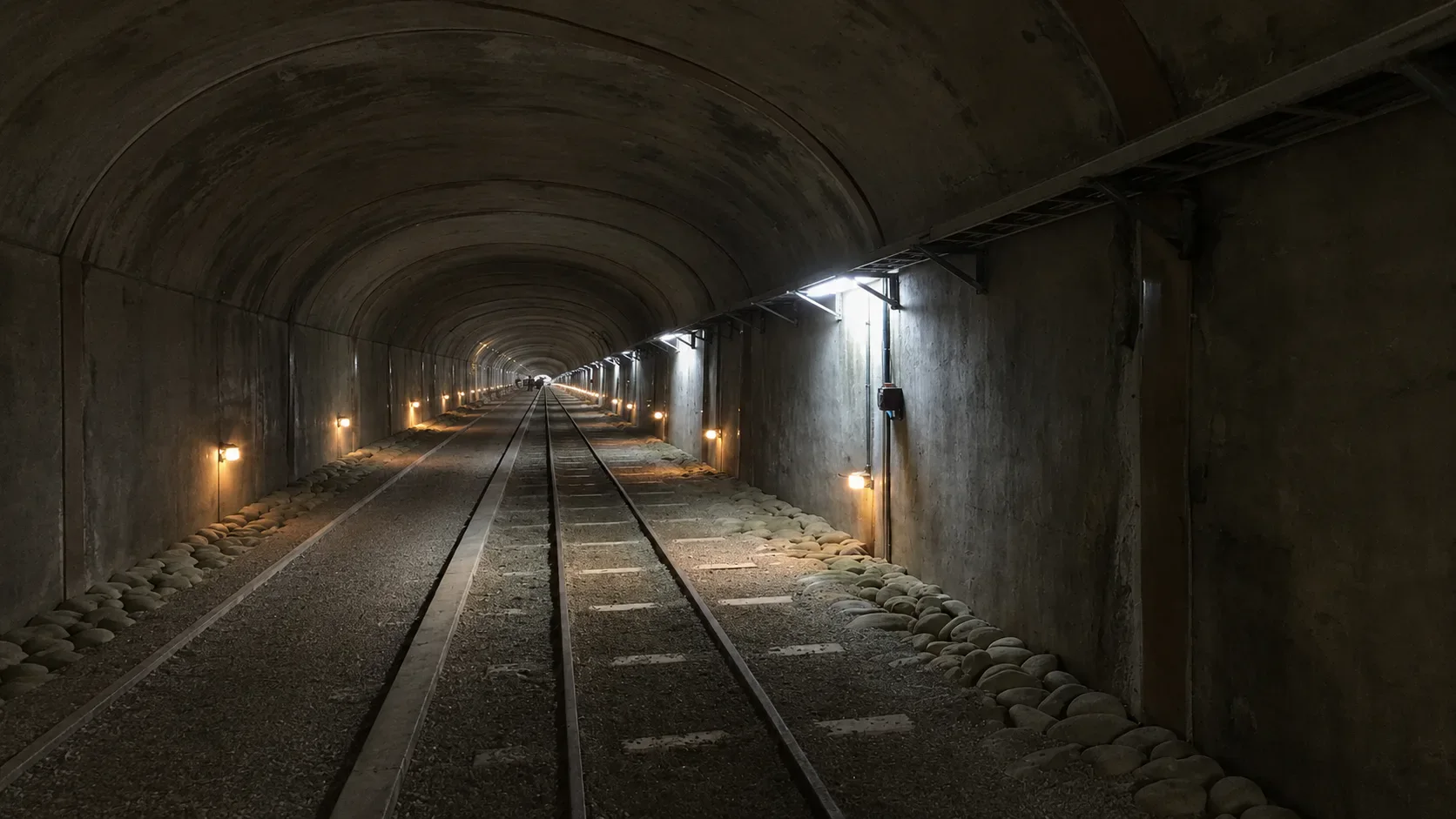
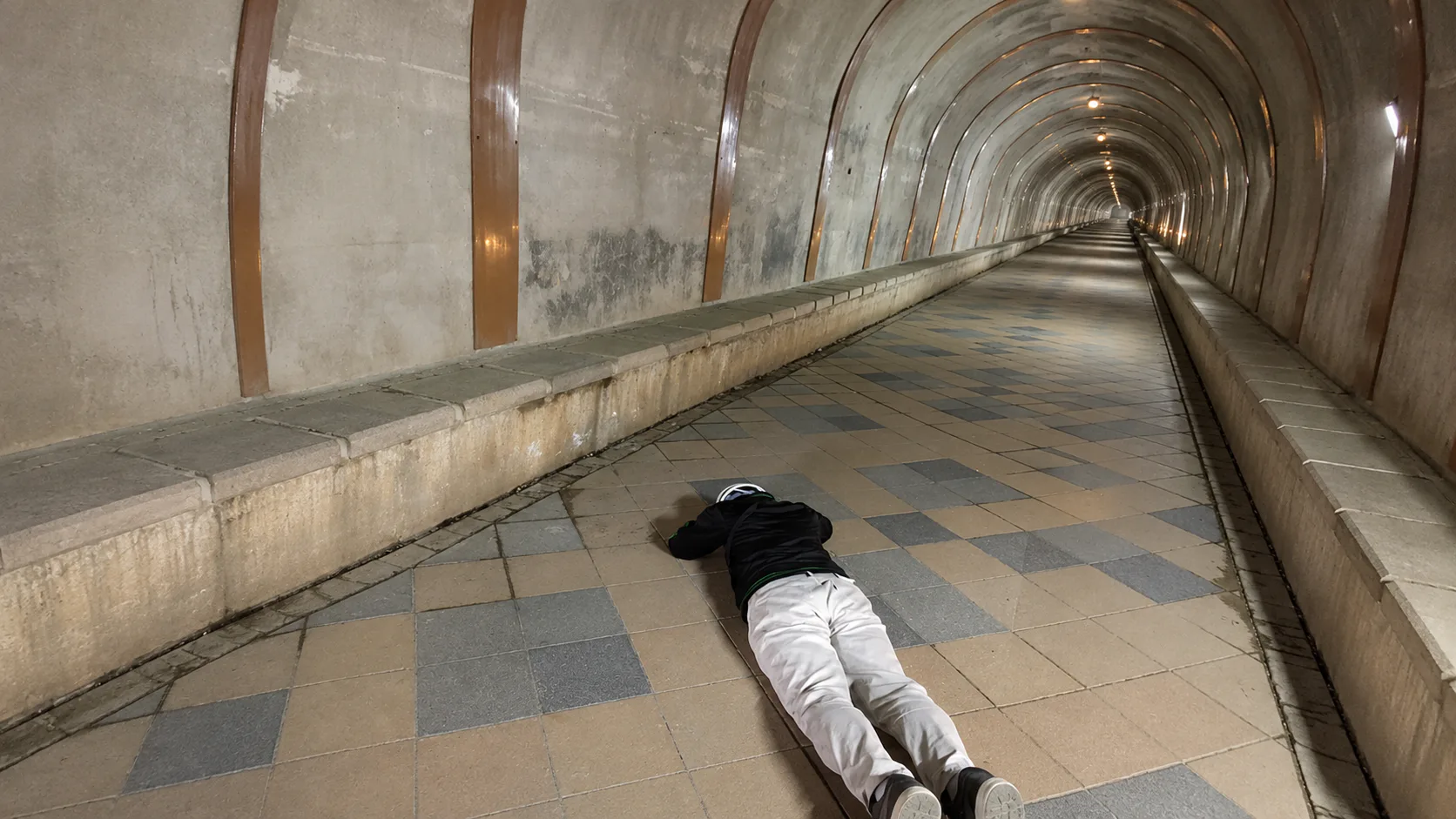
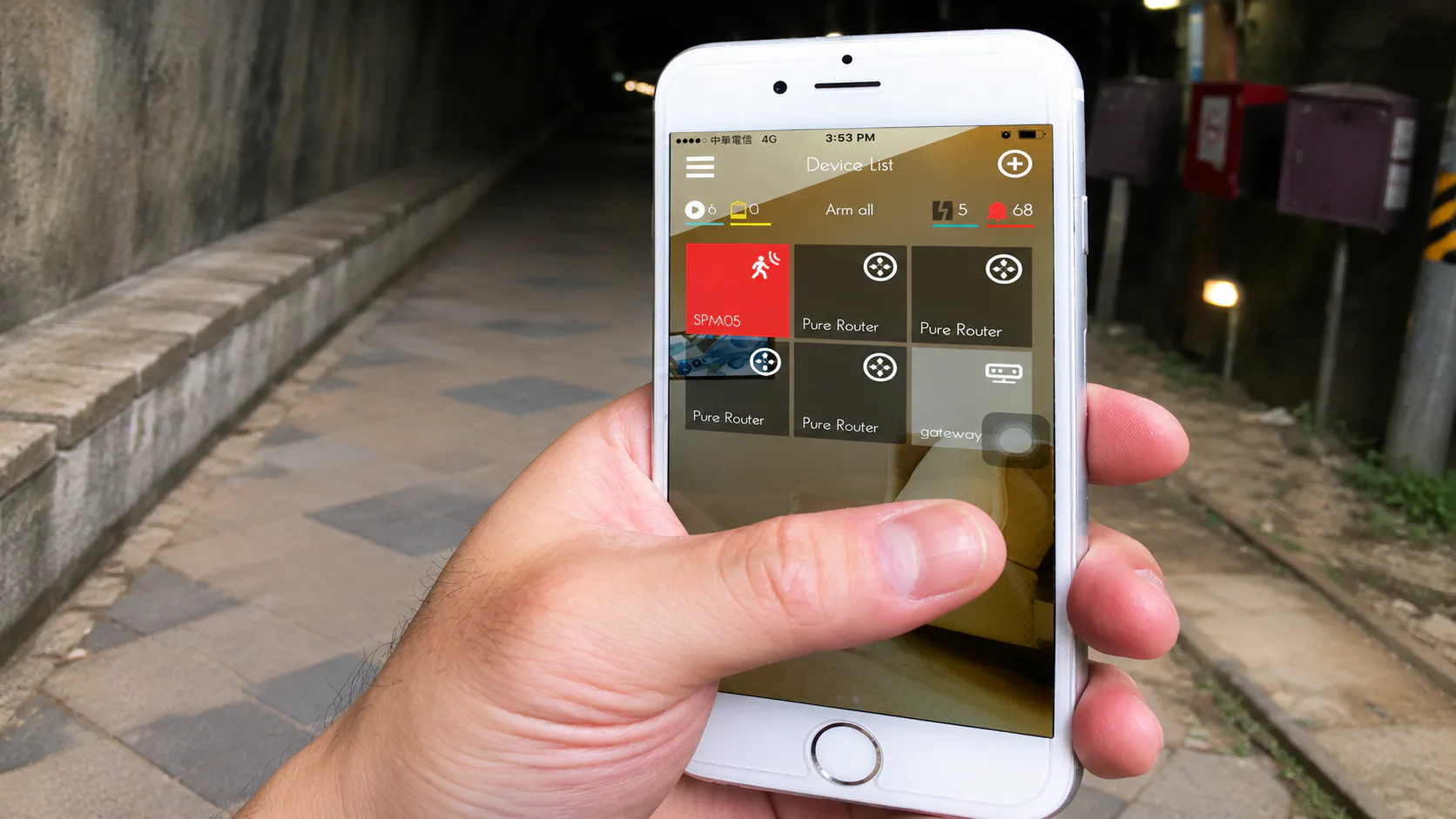
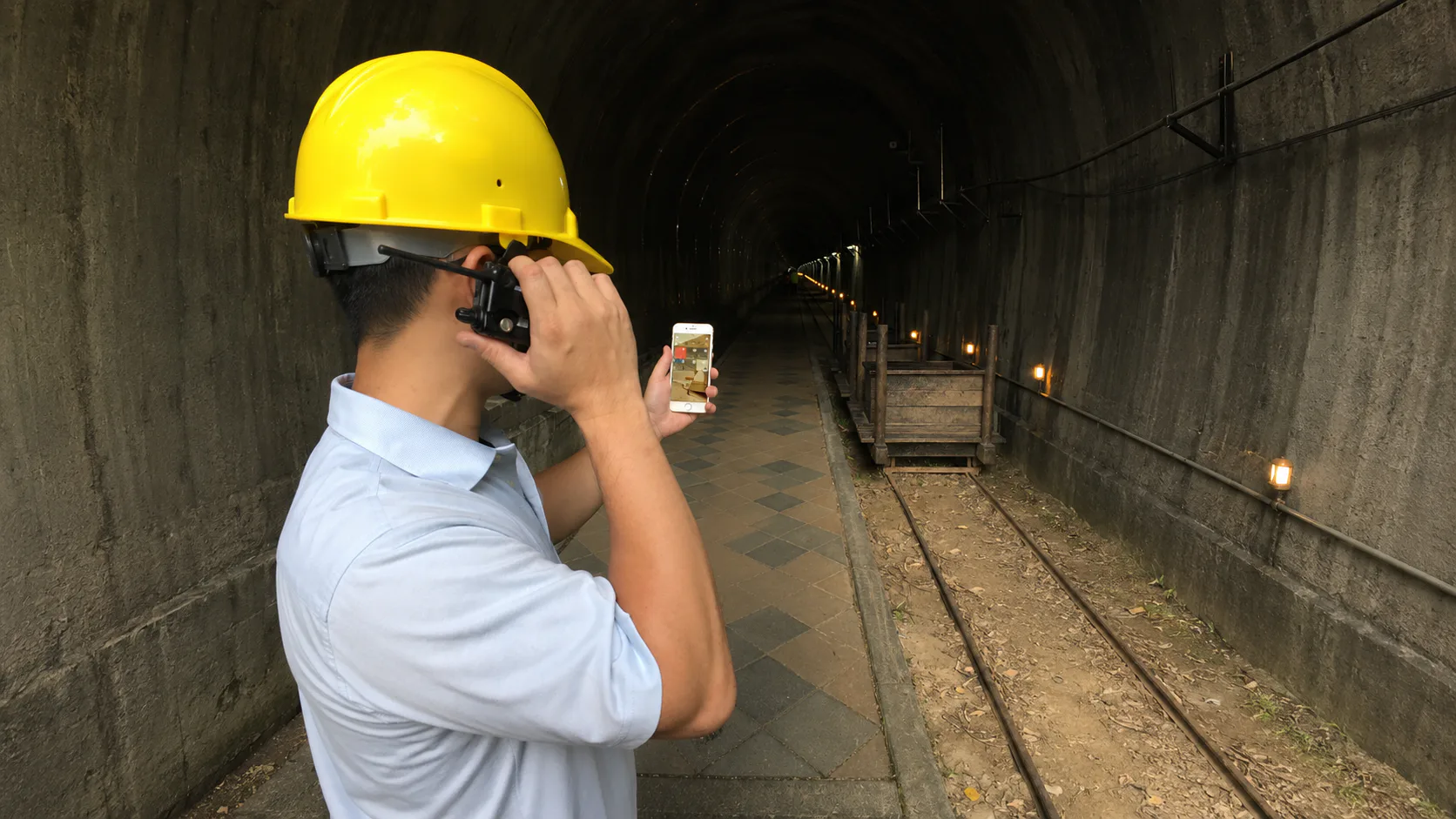
Tunnel maintenance involves restricted sight lines, distributed work areas, and variable communication conditions. This case discusses M20- and T20-related monitoring applications and how posture and connectivity data can support worker-alert procedures. The purpose is not to determine whether someone is safe from sensor data alone, but to give supervisors a reason to contact and check on a worker when configured alert conditions are met.
Problem
More context between scheduled check-ins
Check-ins, patrols, and end-of-task confirmation remain part of the management process, but there may be information gaps between reports. Sensor data can add context. A posture change may be a normal work movement, while a lost connection may reflect shielding, power, or device problems; neither establishes that someone has fallen or lost consciousness.
Whether a task may be performed alone must first be determined through site risk assessment and applicable occupational-safety requirements. A monitoring device does not authorize solo entry into a high-risk or confined space, or replace necessary supervision, communication, and rescue arrangements.
Solution
Connect sensor events to a practical checking procedure
Posture readings must be interpreted against the wearing or mounting arrangement, reference orientation, thresholds, and duration.
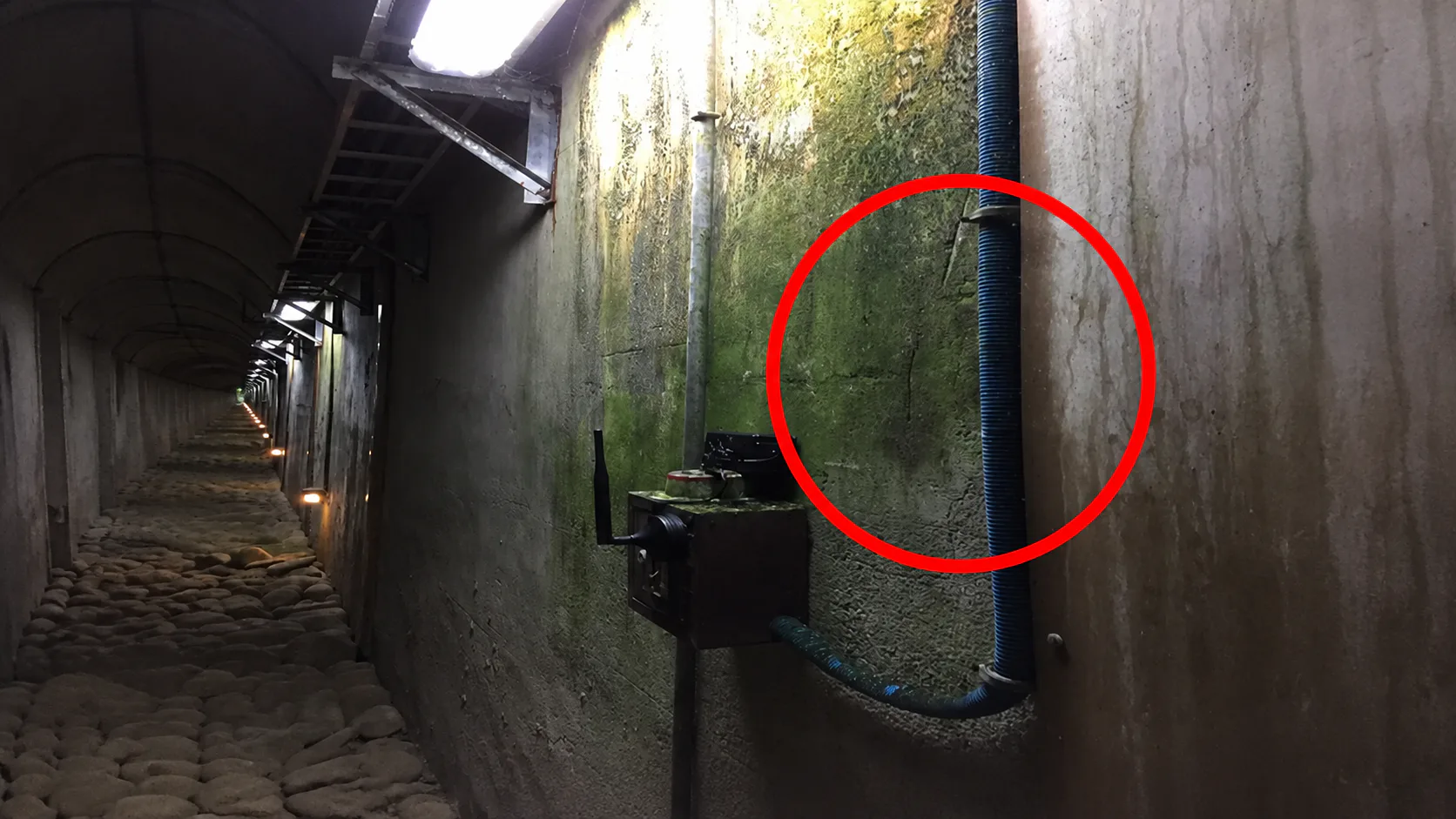
Coverage must be tested across each work section, together with reporting intervals, battery status, offline rules, and notification recipients.
Value
Better records support response decisions
Bringing event times, last reports, and response records together can help supervisors prioritize contact, on-site checks, and escalation. Sending an alert does not establish that it was received or that rescue has begun. The absence of an alert does not establish that a worker is safe.
Next Step
Map notification targets, loss-of-contact rules, and rescue escalation for lone workers first so wearable alerts can fit the existing safety SOP rather than create a separate workflow.
Explore Solutions / Talk to an Expert
Image Gallery
Notes
- The actual M20 and T20 wearable configuration and worker-alert functions require confirmation from project equipment and test records; tilt measurement is not a validated fall-detection function or a health diagnosis.
- An offline device cannot send an immediate alert; whether the platform flags missing reports, and when it notifies supervisors, depends on the implemented configuration and testing.
- Scheduled contact, site supervision and response drills remain necessary, with regular tests of notification delivery, backup arrangements and handovers.
- Any reduction in notification or response time should be evaluated with event and drill records; this case presents it as a management objective, not a measured outcome.
- Every site is different; deployment plans and outcomes should be assessed by qualified professionals against actual site conditions.