Dam Water-Level Monitoring: Flood Response in China
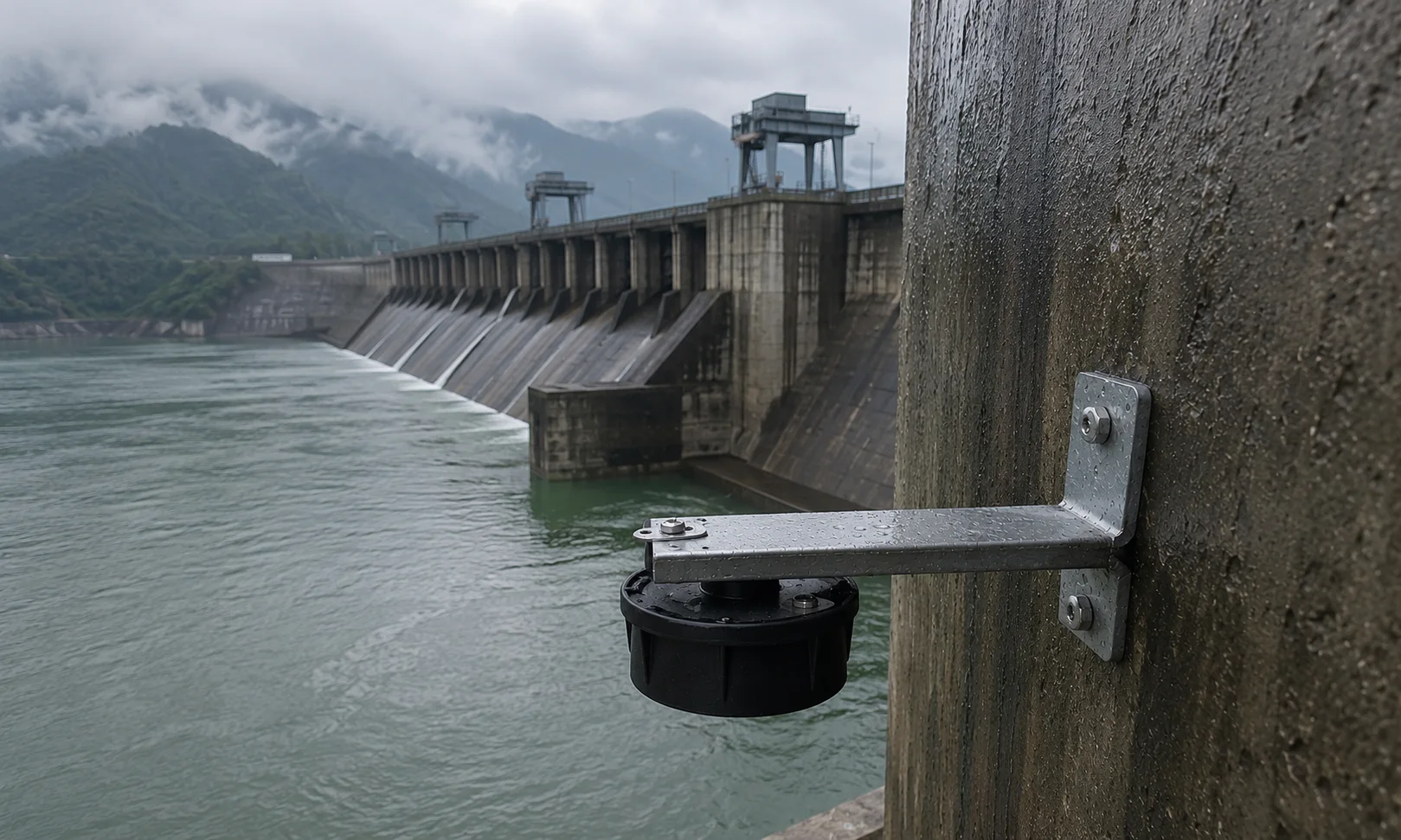
At a high-altitude dam, every reading meant a mountain trip. H01 radar level monitoring with an external battery case reports remotely, so levels can be tracked without each visit.
Project Profile
- Region: China
- Category: Environment
- Products: H01
Operational Value
- Battery-powered monitoring — For difficult-access locations; service life depends on battery capacity, reporting intervals, signal conditions and the operating environment.
- Visit-Free — Remote readings at high-altitude points (Reduced field risk)
- Operational objective — Fewer manual inspection trips (not a measured project outcome)
Case Snapshot
For some monitoring points, simply reaching the site is a task in itself. One dam monitoring point in China sits at high altitude in terrain with limited access, where readings once depended on staff climbing up in person, slowing response and putting field teams at the mercy of terrain and weather. H01 radar sensors, paired with NB-IoT reporting and an external battery case, now let operators read and alert on this hard-to-reach point remotely, without anyone climbing up to confirm it.
Problem
One reading meant a trip up the mountain
What dam water-level management actually needs isn't a single reading — it's a continuous view of the trend as conditions change quickly, so pumping or field response can be arranged early. When a monitoring point sits high up or in terrain with limited access, routine inspection takes more staff and time, and can be delayed further by heavy rain, road conditions, or safety concerns.
Once data becomes unreliable, downstream flood-control deployment, drainage allocation, and emergency command all end up waiting on a field report that arrives late. At a point like this, the mountain itself is part of the risk, not just the water.
Solution
Extended Power Reduces Routine Mountain Visits
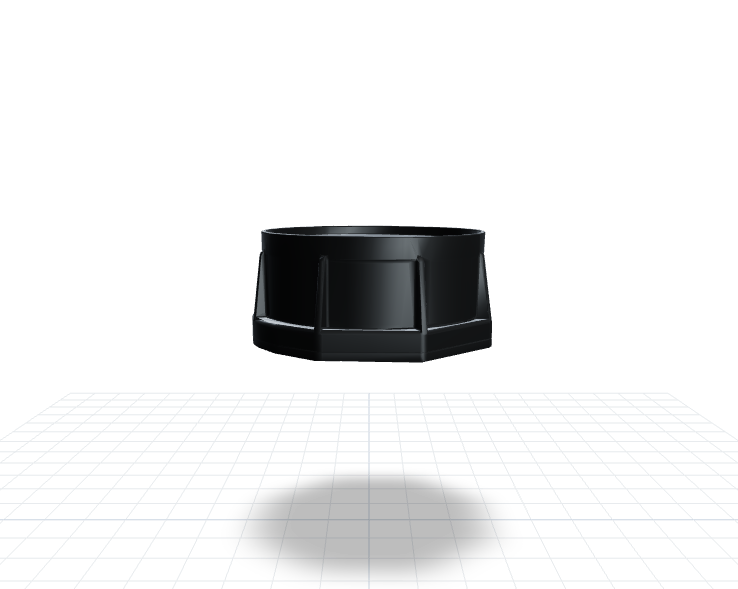
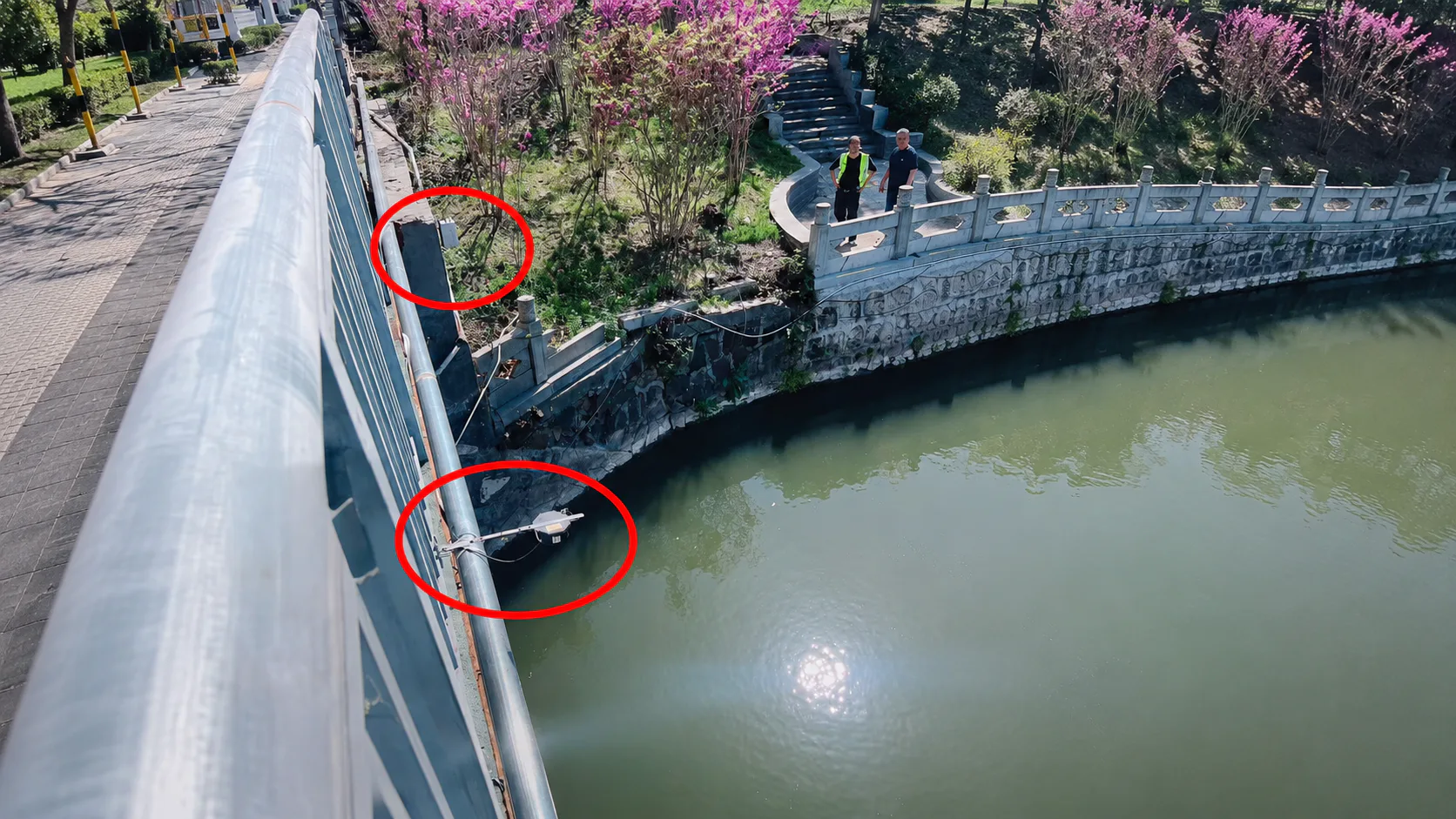
An H01 radar sensor was installed at the designated dam structure, measuring water level continuously without contact, with data sent over NB-IoT to a central platform — no dedicated gateway network required.
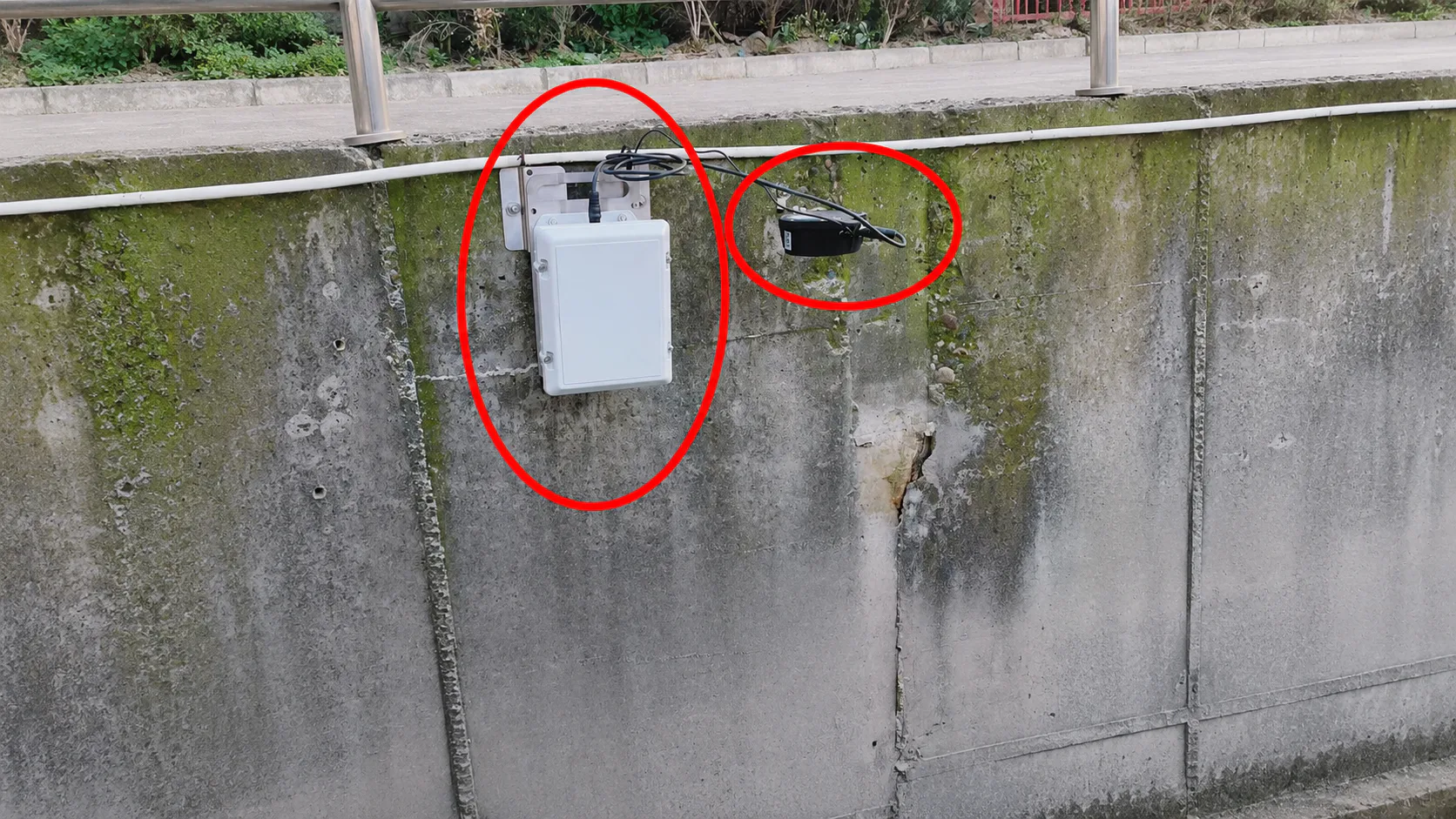
To reduce service frequency at this hard-to-reach point, the system uses an external battery case designed for more than five years of field operation, reducing trips made only for readings or battery service. Continuous water-level reporting also gives warning thresholds, drainage dispatch, and flood-control analysis an earlier basis for action.
Value
Limited staff, sent where they're actually needed
What once meant climbing the mountain to confirm now shows up on a screen — managers get a clearer view of dam water-level changes and can judge and respond faster during high-risk periods.
Patrols only roll out now when the screen flags something, not for a routine check up the mountain. Water-level data feeds the same pump-dispatch and cross-team alerts, so the call no longer rests on a single reading taken on site.
Next Step
Document today’s manual-reading frequency, site-access burden, and power constraints to assess which routine visits remote monitoring could reduce before comparing deployment options.
Explore Solutions / Talk to an Expert
Image Gallery
Notes
- Every site is different; deployment plans and outcomes should be assessed by qualified professionals against actual site conditions.
*Illustrative image