Cold-Chain Monitoring for Blood Bag Logistics in Algeria
When transit goes wrong, a location marker can't show the conditions. Temperature, humidity and GPS are logged together with batch handovers, giving reviewers a shared record.
Project Profile
- Region: Algeria
- Category: Logistics
- Products: S07-TH
Operational Value
- Transport visibility — Review readings received from monitored shipments alongside vehicle GPS.
- Traceability support — Relate timestamps to shipment identifiers and recorded handoffs; flag gaps rather than assume a complete timeline.
- Operational objective — Fewer manual condition checks (not a measured project outcome)
Case Snapshot
This Algerian case combines S07-TH temperature and humidity monitoring with a mobile gateway, cloud records and vehicle GPS. The purpose is to make transport conditions easier to review, rather than reconstructing a journey solely from separate manual notes. The record is useful when readings can be associated with the correct shipment, vehicle and handoff events. It does not by itself determine whether blood components are suitable for transfusion.
Problem
A journey needs more than a location marker
Storage and transport conditions matter for blood and blood products. The responsible blood service must define applicable conditions and handling procedures for the components involved.
To investigate a reported deviation, teams need more than a vehicle route. They also need the shipment-to-sensor association, measurement location, device checks, time alignment and dispatch/receipt records. Vehicle GPS identifies the vehicle’s reported location, not necessarily the position of every bag after unloading. A shared timeline supports investigation; it does not establish fault or custody on its own.
Solution
Temperature, location, and time recorded together
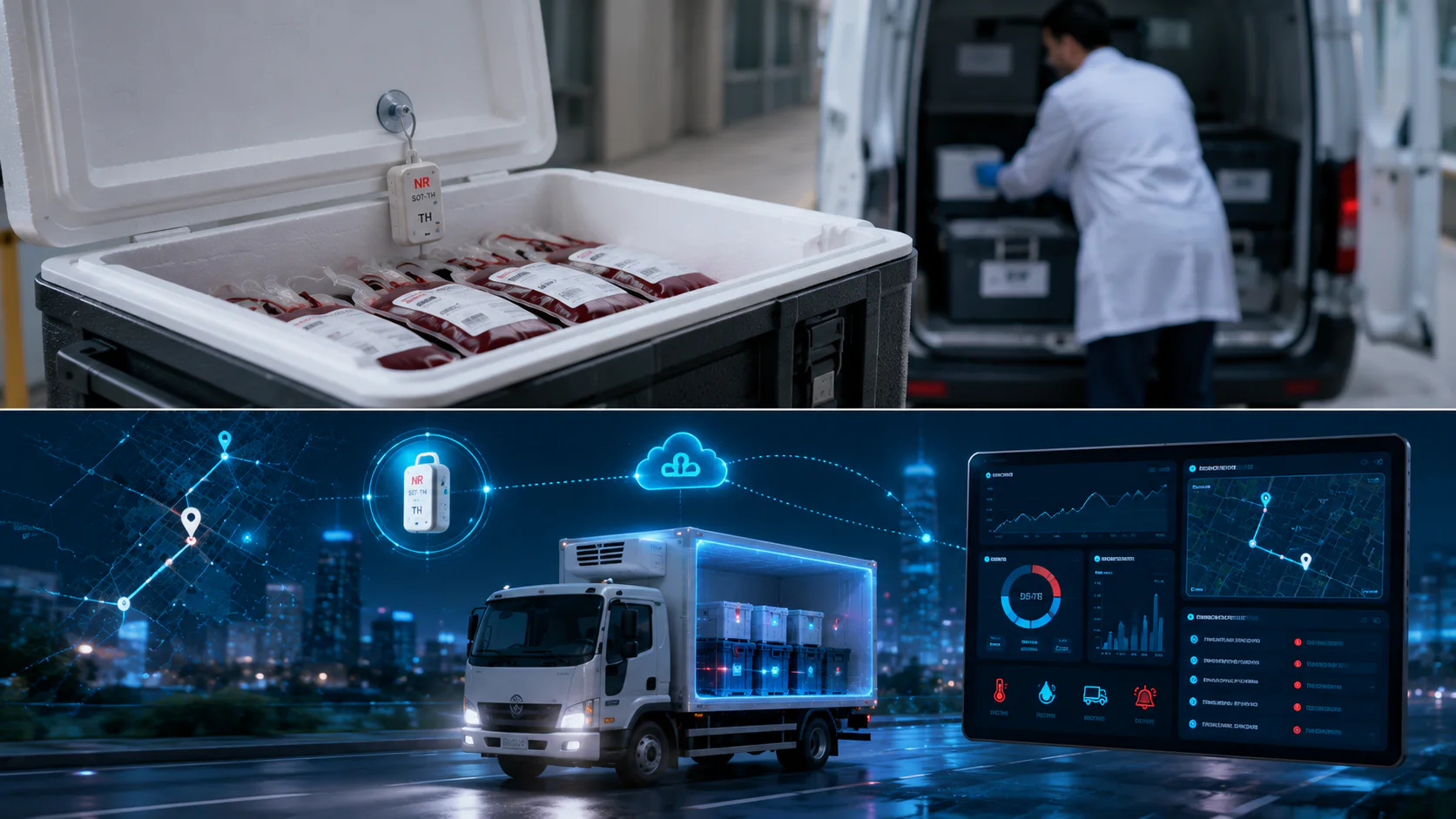
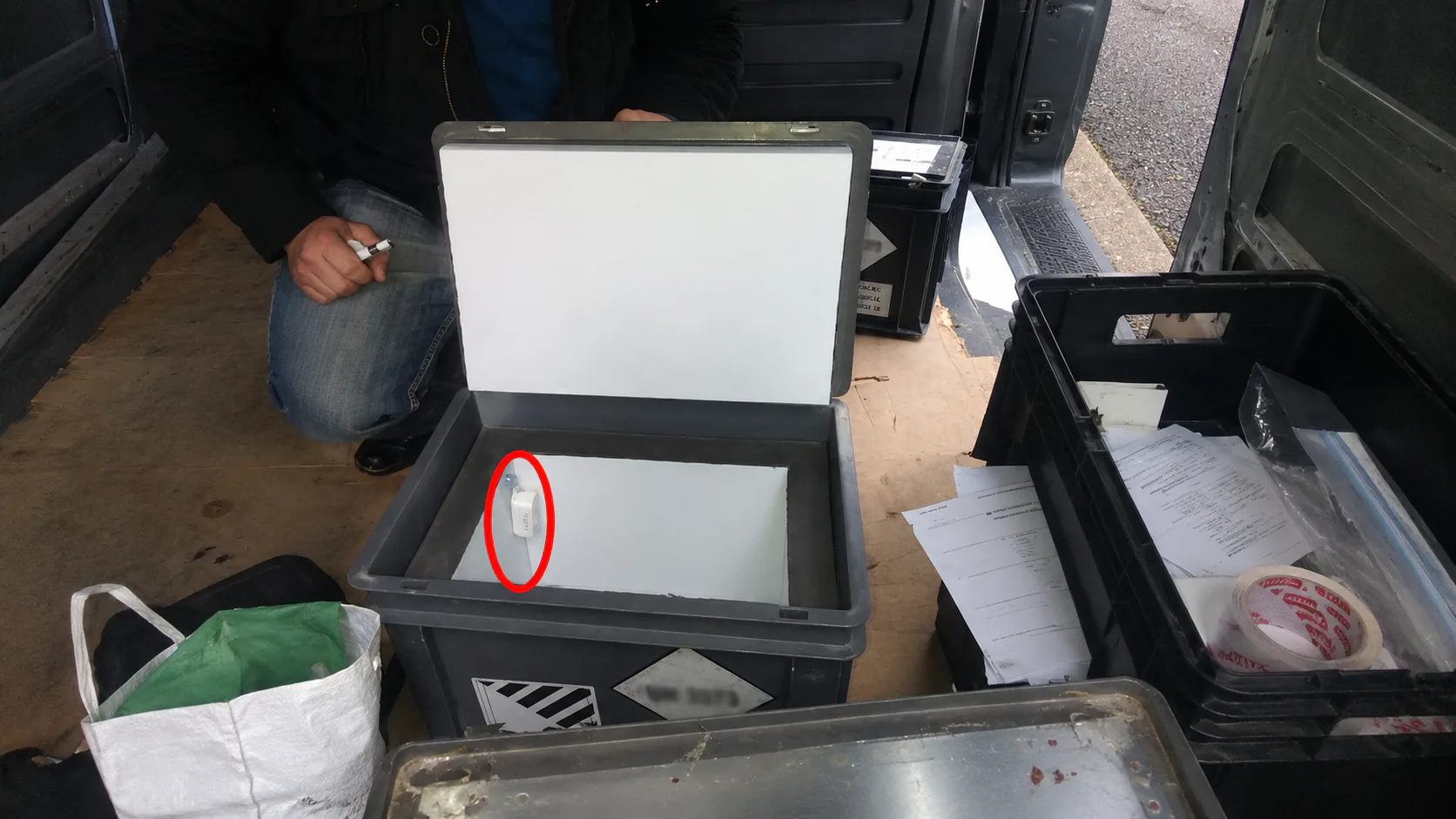
The solution uses S07-TH devices to monitor transport conditions and mobile gateways to forward readings to the cloud. When shipment identifiers and timestamps are aligned with vehicle GPS data, supervisors can review the available measurements and route information together. The sensor’s placement determines what it measures; nearby air temperature should not be presented as a direct measurement of every blood bag’s contents.
Value
Give reviewers a common record to examine
The operational value is an accessible record of received measurements, route information and documented follow-up. Teams can compare that record with packing and handoff records when investigating an exception.
Next Step
Review the shipment workflow, component-specific requirements, sensor placement, device verification and handoff fields. Then test route connectivity, timestamps, missing-data behavior and the notification process against agreed acceptance criteria.
Explore Solutions / Talk to an Expert
Background Reference
WHO — Blood cold chain describes the importance of appropriate storage and transport conditions. This general guidance is not evidence of WHO approval, product certification or acceptance of this project.
Image Gallery
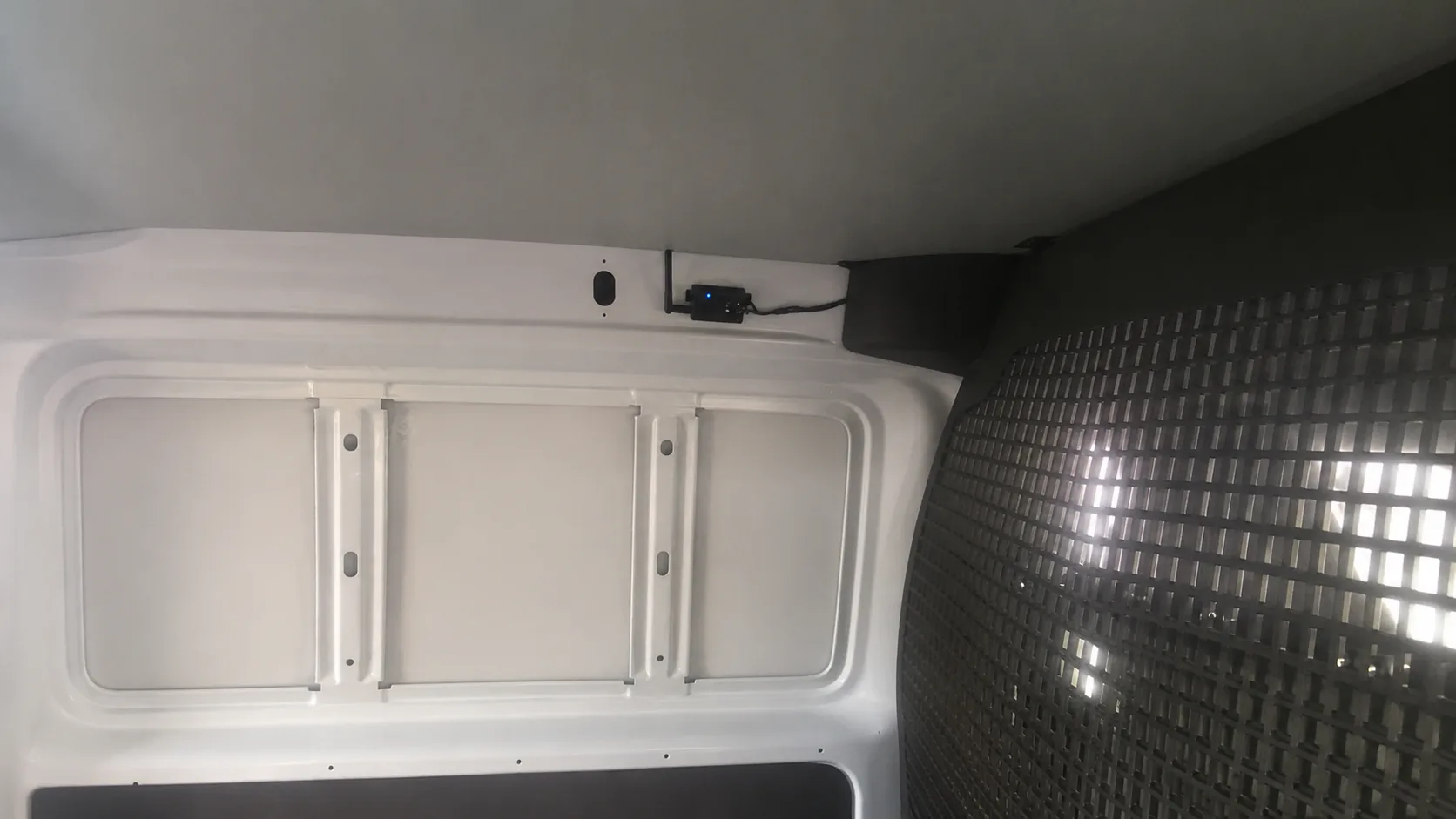
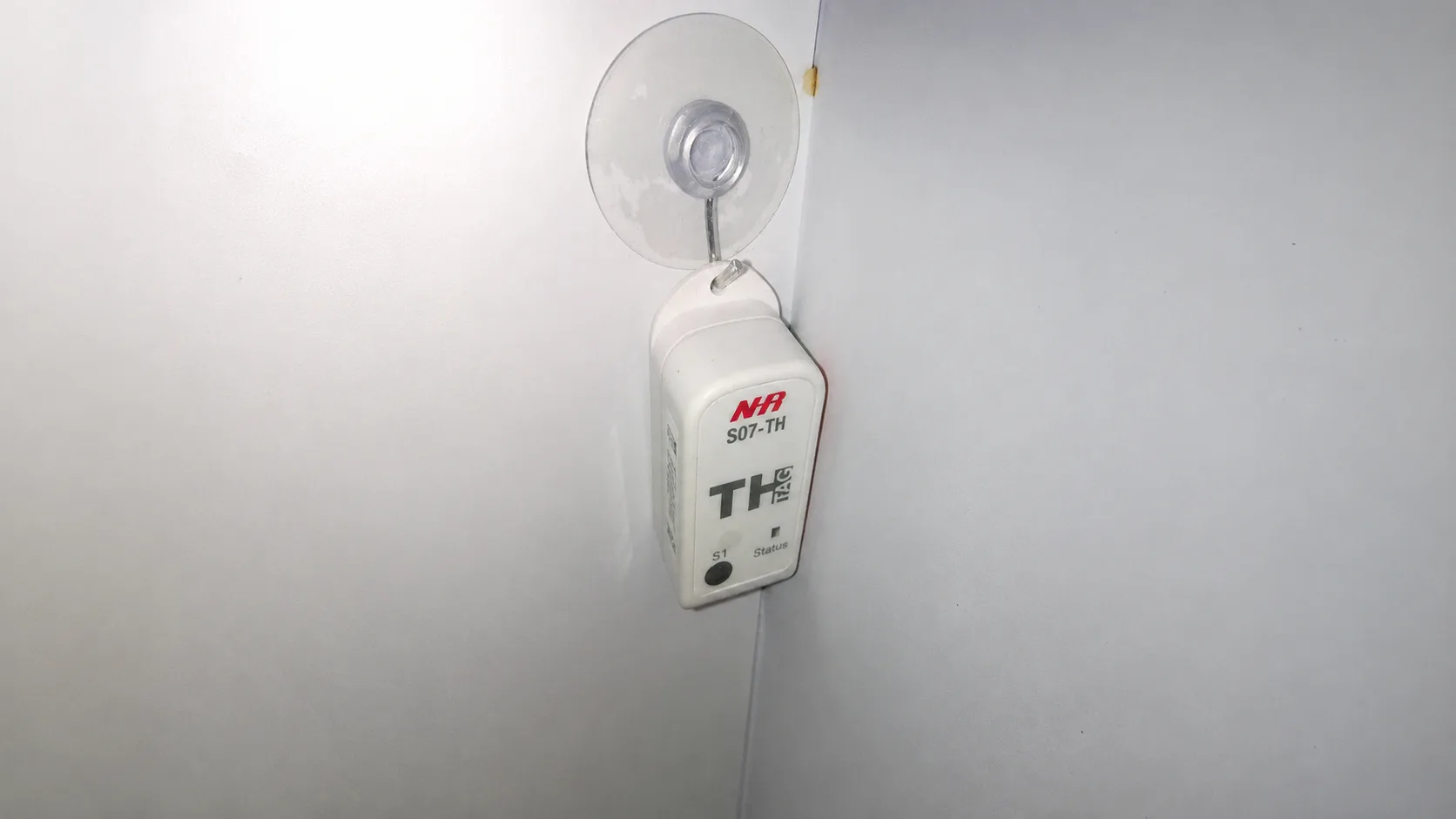
Notes
- This case does not prescribe one temperature range for every shipment, and environmental readings are not release decisions.
- Thresholds, recipients and escalation steps are configured for the agreed workflow; reporting intervals and network availability affect notification timing.
- Offline buffering, later upload and recovery of missing readings must be confirmed for the actual devices and gateway.
- A notification does not prove corrective action; monitoring supports the blood service's quality procedures without replacing them, certifying clinical safety or assigning responsibility.
- Retention, access permissions, exports and missing-data indicators should match the organization's review process.
- This case does not establish a measured reduction in discarded blood, a complete record for every journey or a verified improvement in response time.
- Every site is different; deployment plans and outcomes should be assessed by qualified professionals against actual site conditions.
*Illustrative image